
Reviewed · GALLIPOLI, TROY & ANZAC TOURS
Canakkale: 6-Hour Gallipoli Tour with Lunch
History feels personal at ANZAC Cove. This 6-hour Gallipoli tour from Çanakkale strings together key ANZAC sites and Turkish memorials into one moving, easy to follow route. You cross the Dardanelles by ferry, eat in Eceabat, then ride out to the peninsula for a guided walk through the ground where the campaign unfolded.
I especially like the way the tour focuses on specific places you can actually stand on, from Brighton Beach to Chunuk Bair. I also like that the guiding is designed to help you understand choices and consequences, not just read dates off a board, with guides like Hassan, Burak, Chuck, and Ibo often praised for pacing and for mixing respect with a little humor. One possible drawback is that lunch lands before the deepest portion of the battlefield time, and it can feel like you are working around heat and timing.
If you’re sensitive to midday sun or you want maximum walking, plan your day with that in mind.
In This Review
- Key highlights worth planning for
- Getting to Gallipoli: Çanakkale, ferry crossing, and the rhythm of the day
- Eceabat lunch: where the day stays grounded (and where timing can pinch)
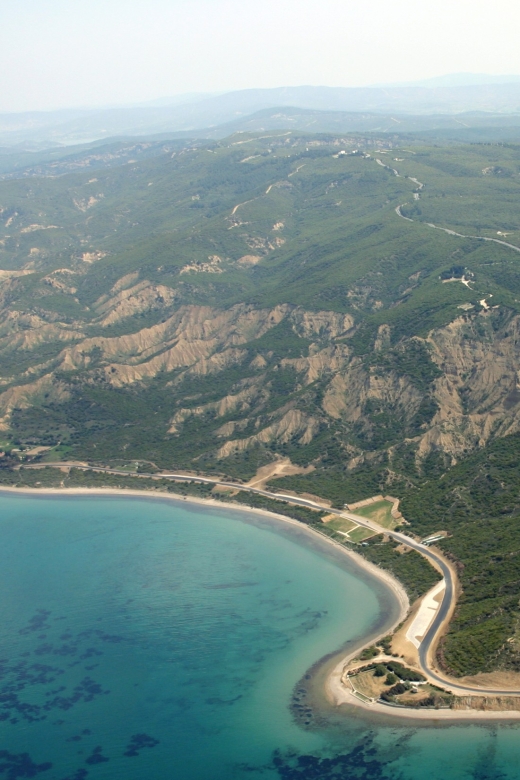
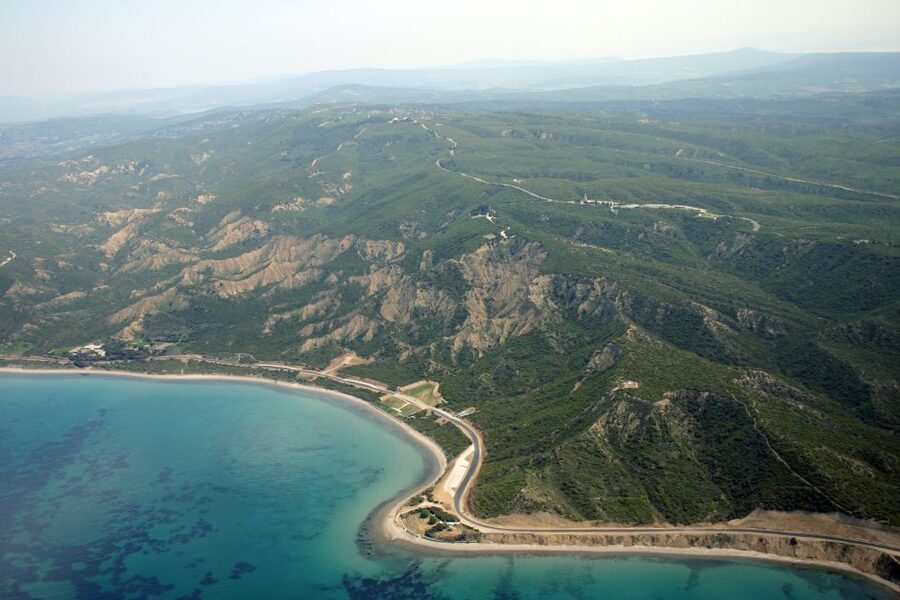
- Brighton Beach and ANZAC Cove: the landings you can actually picture
- Ariburnu Cemetery and the northern ANZAC feel
- Second Ridge and the trench line story you can see
- Lone Pine Australian Memorial: scale, names, and the weight of unknowns
- Johnston’s Jolly and the tunnel entrances
- The 57th Regiment Turkish Memorial: staying balanced
- Chunuk Bair: the high point, the New Zealand memorial, and the turning point
- Price and value: is $81 worth a 6-hour Gallipoli sweep?
- Who should book this tour, and who might want to plan differently
- Should you book Canakkale’s 6-Hour Gallipoli Tour with Lunch?
- FAQ
- How long is the Gallipoli tour from Çanakkale?
- Where do I meet the tour?
- Is lunch included?
- Do I pay ferry fees separately?
- What are the main Gallipoli stops?
- Is the guide English speaking?
- Is hotel pickup available?
- Are drinks during lunch included?
- Can I cancel and get a refund?
Key highlights worth planning for
- ANZAC Cove first-landing focus, plus stops tied to the April 25 landings
- Second Ridge trench line viewpoints, with Allied and Turkish positions visible nearby
- Lone Pine Australian Memorial and the scale of remembrance for soldiers with no known grave
- Johnston’s Jolly, including time to walk through abandoned trenches and tunnel entrances
- Chunuk Bair and the New Zealand National Memorial, including the story of capture and recapture
- A lunch stop in Eceabat that keeps the day manageable and scheduled
Getting to Gallipoli: Çanakkale, ferry crossing, and the rhythm of the day
You start in Çanakkale near the ferry harbor, at the Tourist Information Center area, usually around 10:45 AM. If you opted for pickup, guides coordinate pick-up from city center hotels around that same window. Then it is straight to the terminal for the short Dardanelles ferry ride across to Eceabat.
This first leg matters more than you might think. The crossing gives you a small reset before the battlefield stops, and it also gets you out of the city traffic bubble. The whole tour is built to run on a tight but not frantic clock, with ferry time on the way out and back and a single guided block on the peninsula.
Further Gallipoli and Troy battlefield visits:
Eceabat lunch: where the day stays grounded (and where timing can pinch)
Once you arrive in Eceabat, you get about an hour for lunch at a local restaurant. This is one of the best parts for people who want real comfort during a solemn day. A simple, filling meal is the norm here, and you are usually able to order drinks, but drinks during lunch are not included.
Here is the practical consideration. Lunch happens before you drive out to the highest-impact battlefield sites, so if you crave maximum time walking, you may feel the day is slightly split. If you are traveling in hot months, you will also want to treat that post-lunch window like a real sun-and-shade plan, not a casual stroll.
Brighton Beach and ANZAC Cove: the landings you can actually picture
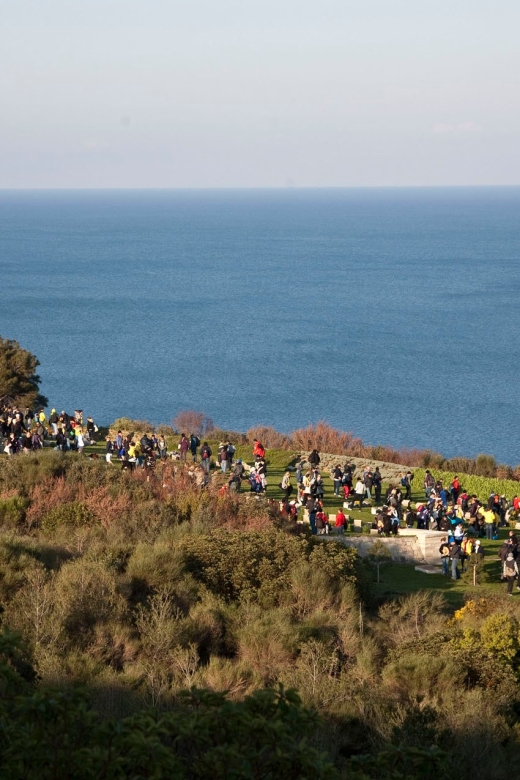
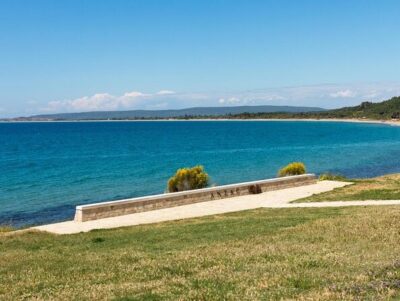
The tour’s first battlefield sequence centers on April 25, 1915. You visit Brighton Beach, described as the intended landing site, and then move to ANZAC Cove, the place where the first landing actually took hold. Standing near these locations is the fastest way to understand how “plan versus reality” shaped the campaign.
From there, the route climbs. You do not just bounce between monuments, you move through the terrain, which helps you see why certain ridges became so hard to hold. The guides are often praised for connecting the ground you are looking at with what the troops faced, not just reciting names.
If you care about hearing every detail, choose your seat on the vehicle wisely. Some people have found that with air conditioning, it can be harder to catch every word from seats toward the back, so being closer to the front can pay off.
Ariburnu Cemetery and the northern ANZAC feel
On the northern edge of ANZAC Cove, you reach Ariburnu Cemetery. This stop does not try to turn grief into a spectacle. Instead, it gives you a quieter beat in the day, and it helps you understand how quickly the coastline became a place of loss and long-term consequence.
It also helps that the tour does not treat cemeteries as isolated photo stops. The guide ties the cemetery location to nearby defensive and attacking movements, so you leave with more than a pretty view or a landmark name.
What Canakkale regulars wave over next
- Top Choice For Cruisers: Ephesus, Mary’s House WITH TICKETS+LUNCH★ 5.0 · 7,233 reviews
- Antalya/Kemer: Suluada Island Small-Group Boat Tour w/ Lunch★ 4.4 · 4,207 reviews
- Antalya: Ziplining, Rafting, Jeep Tour & Quad Safari w/Lunch★ 4.6 · 3,260 reviews
Second Ridge and the trench line story you can see
One of the most compelling segments is the walk-and-look section around what the tour frames as Second Ridge. You follow the road along the top of the ridge, where you can still see trench features on both sides. That is a big difference from many tours that stay purely at the viewing level.
This part is designed for your mental map. Second Ridge is where the Allied advance on the first day got halted by Ottoman defenders, and it later became part of the front line for months. When your guide points to the terrain and explains how movement stalled, the whole campaign stops being an abstract timeline.
You can also expect a series of cemetery and memorial stops as you move along. This is where a good guide can really make or break the experience, and the most praised guides are the ones who keep the story logical and paced. People have singled out guides like Burak, Bulent, Orkan, and Çağrı for staying engaging and for answering questions without turning the day into a lecture.
Lone Pine Australian Memorial: scale, names, and the weight of unknowns
Next up is The Lone Pine Australian Memorial. The memorial commemorates almost 5,000 Australians who have no known grave, and that fact lands hard when you are in the right place. It is one of the stops that turns the day from “battlefield sightseeing” into “remembering with context.”
If you have family names connected to Gallipoli, bring them. Several visitors mention that guides helped them search memorials for names, which can transform the stop from information into something personal. Even if you do not have a direct connection, it is still a powerful way to understand why these sites matter decades later.
Johnston’s Jolly and the tunnel entrances
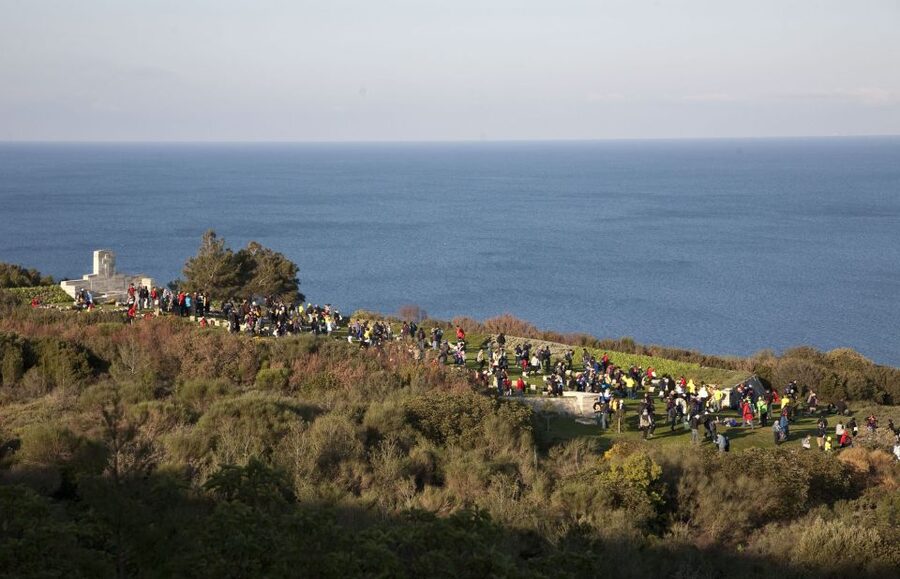
You then reach Johnston’s Jolly Cemetery, a stop that goes beyond what most people expect from a half-day tour. Here you get time to walk through abandoned trenches and tunnel entrances. It is not a thrill ride, and the ground is uneven, but the experience helps you picture conditions on the ground.
This is also where the “both sides” aspect feels most real. The memorials are tied to the fighting, and the physical remnants reinforce the idea that this was not a clean line war. It was a broken, close-up reality of dug earth, limited visibility, and long stretches of holding what you could.
The 57th Regiment Turkish Memorial: staying balanced
The tour includes the 57th Regiment Turkish Memorial, an important counterweight to the ANZAC-focused sites. It keeps the story from becoming one-note. You see how the Ottoman side commemorates sacrifice and how the area is remembered in Turkey, not only through foreign military records.
I like this balance because it makes your understanding more complete. Even if your emotional lens is ANZAC, it helps to see how a local community holds memory, and it also adds meaning to your later stop at Chunuk Bair.
Chunuk Bair: the high point, the New Zealand memorial, and the turning point
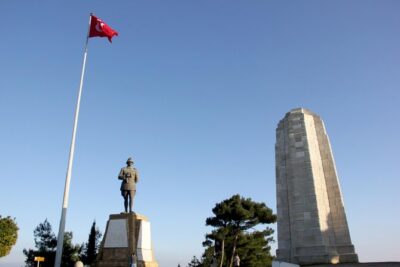
The final stop is Chunuk Bair, one of the highest points on the peninsula and home to the New Zealand National Memorial. The hill was captured in August by New Zealand troops, held for about two days, and then recaptured from the Allies by Ottoman forces under Mustafa Kemal. That sequence is presented as a major turning point, with Allied hopes for victory fading after the recapture.
The memorial also lists the names of more than 850 New Zealand soldiers who fell in the area. This stop feels like a closing argument for the whole tour, because it ties the terrain to outcomes. You end with your brain finally organizing everything you saw earlier into one picture.
After Chunuk Bair, the bus returns to Eceabat, and you go back across the Dardanelles by ferry.
Price and value: is $81 worth a 6-hour Gallipoli sweep?
At $81 per person for a 6-hour guided experience, this tour is priced for people who want structure and maximum meaning without spending days logistics planning. You get ferry fees included, a professional English-speaking guide, lunch in Eceabat, and transportation in an air-conditioned non-smoking vehicle.
Here is how I’d judge value in your case. If you are short on time, this route hits major, high-impact sites in a single day. That alone saves you planning effort and helps you avoid the common mistake of rushing from one memorial to another with no context. On the flip side, because the day is paced, you should not expect deep exploration of every corner of the peninsula. It is a greatest-hits route, built for understanding, not for slow wandering.
If you are an Aussie or Kiwi with a personal connection, the value jumps. Many people mention the guides’ effort to connect visitors with family names on memorials, and that can make the day feel uniquely yours.
Who should book this tour, and who might want to plan differently
This is a great choice if you want a guided Gallipoli day trip that feels respectful, organized, and emotionally clear. It suits first-time visitors to the peninsula, especially Australians and New Zealanders who want ANZAC Cove, Lone Pine, Johnston’s Jolly, and Chunuk Bair covered in one sitting.
It is also a good fit if you like asking questions. Multiple visitors praise guides for being engaging, answering lots of queries, and keeping the pace comfortable, including smaller vehicle groups on some departures.
If you are traveling with very young kids, you can still make it work, but you may prefer a tour with more flexible timing. The day moves through several stops and includes walking at cemetery and trench sites. Also remember that lunch comes before the deepest battlefield walking, so if you are trying to maximize time at the sites, plan your expectations.
Should you book Canakkale’s 6-Hour Gallipoli Tour with Lunch?
Yes, if you want an efficient, guided way to see the biggest Gallipoli landmarks and understand why they mattered. The tour’s strongest selling point is the combination of specific battlefield terrain plus memorial stops tied to the story, with guides like Hassan, Burak, Chuck, and Ibo often highlighted for making the day flow and feel human.
I would book it with two small preparations. Bring water and something to protect you from sun, especially after lunch. And if you want to hear every word, aim for seats closer to the front of the vehicle.
If your priority is slow, independent wandering with zero schedule pressure, you might prefer adding extra time on the peninsula. But for a single-day window, this one is hard to beat for meaning per hour.
FAQ
How long is the Gallipoli tour from Çanakkale?
The tour duration is about 6 hours.
Where do I meet the tour?
You meet in front of the Tourist Information Center at the ferry harbor.
Is lunch included?
Yes. Lunch is included at a local restaurant in Eceabat, and the lunch stop is about 1 hour.
Do I pay ferry fees separately?
No. Ferry fees are included in the tour price.
What are the main Gallipoli stops?
The tour includes Brighton Beach, ANZAC Cove, Ariburnu Cemetery, Lone Pine Australian Memorial, Johnston’s Jolly, and Chunuk Bair, plus the 57th Regiment Turkish Memorial.
Is the guide English speaking?
Yes. The tour includes a live English-speaking guide.
Is hotel pickup available?
Hotel pickup is optional. Pickup from city center hotels is between 10:45 AM, and if your hotel is far, the meeting point may be set closer to the ferry harbor.
Are drinks during lunch included?
No. Drinks during lunch are not included.
Can I cancel and get a refund?
Yes. You can cancel up to 24 hours in advance for a full refund.
Newest to reach the Canakkale table
- Gallipoli Tour from Eceabat, Canakkale
★ 5.0 · 26 reviews - Canakkale: Half-Day Troy Tour
★ 4.6 · 28 reviews - Troy and Gallipoli Day Trip from Canakkale
★ 5.0 · 33 reviews - Full Day Troy & Gallipoli Tour ( From Canakkale )
★ 5.0 · 45 reviews - Canakkale: Full-Day Troy and Gallipoli Tour
★ 4.8 · 79 reviews - Gallipoli ANZAC Battlefields Tour from Canakkale
★ 5.0 · 90 reviews
Gallipoli, Troy & Anzac Tours, side by side.
Istanbul to Gallipoli Full Day Tour with Lunch and Transfers
Read our review →

Istanbul to Gallipoli, Canakkale and Troy. 2 Day Tour with Hotel
Read our review →
Istanbul to Truva Troy Guided Day Tour with Lunch and Transfers
Read our review →
Troy Full-Day Guided Tour incl. Transfer, Ferry Tickets w/Lunch
Read our review →Lists this tour turns up in