
Reviewed · COOKING CLASSES
Cooking Class at Exclusive Kings Valley
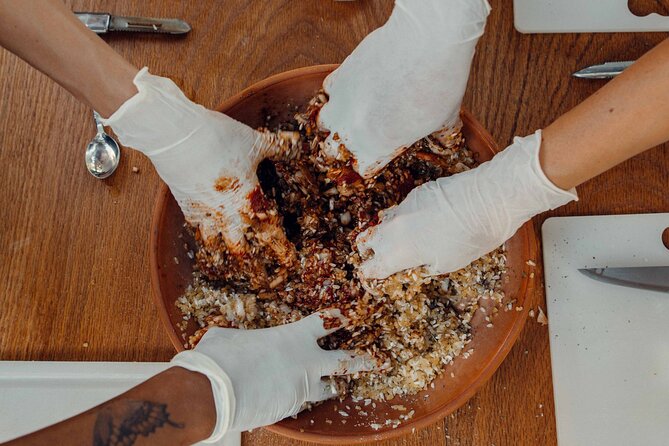
Cooking feels better with a view. This half-day Turkish cooking class in Goreme takes you from hotel pickup to the King’s Valley of Kelebek, where small-group cooking happens in a patio-style home kitchen with local village women. I especially like the hands-on ingredient shopping at a local organic farmer’s market and then the payoff of eating a full lunch made by your own hands. One thing to consider: this is a walking-and-cooking day, so comfy shoes matter, and the cooking pace may feel slower if you want quick, step-by-step cooking for a huge menu.
You’ll start at 10:30 am and spend around 4 hours learning, cooking, and eating. The class is kept intimate with a limit of 10 participants, with a stated maximum of 12 travelers, so you should expect real attention instead of a factory-style demo. English support is offered, but in the kitchen you may still work alongside women who speak little or no English, which can be fun in a hands-on, non-verbal way, as long as you’re comfortable asking questions and using your hands.
In This Review
- Key things that make this Cooking Class at Exclusive Kings Valley worth it
- From hotel pickup to King’s Valley of Kelebek: the easy start
- The valley setting and the little courtyard kitchen where cooking actually happens
- Shopping the ingredients at an organic farmer’s market
- Cooking with the village women: learning the “how,” not just the “what”
- What you’ll cook for lunch (and why this menu makes sense)
- Start with soups, salads, and simple starters
- Move to hearty mains
- Finish with a regional dessert
- Outdoor details that can make the day feel special
- Group size and how it affects your learning time
- English support, but don’t expect everything to be scripted
- Price and value: is $129.31 a good deal?
- Practical tips for a smooth, comfortable cooking day
- Who this experience is best for
- Should you book Cooking Class at Exclusive Kings Valley?
- FAQ
- What is the location of this cooking class?
- What time does the class start?
- How long is the cooking class?
- Is hotel pickup included?
- What group size should I expect?
- Is the class offered in English?
- What will I eat during the class?
- What should I wear?
- What is the cancellation policy?
- When will I get confirmation after booking?
Key things that make this Cooking Class at Exclusive Kings Valley worth it
- Organic-market shopping first, so your lunch feels earned, not just assembled
- Small-group cap (10 to 12), which usually means more time with the cooks
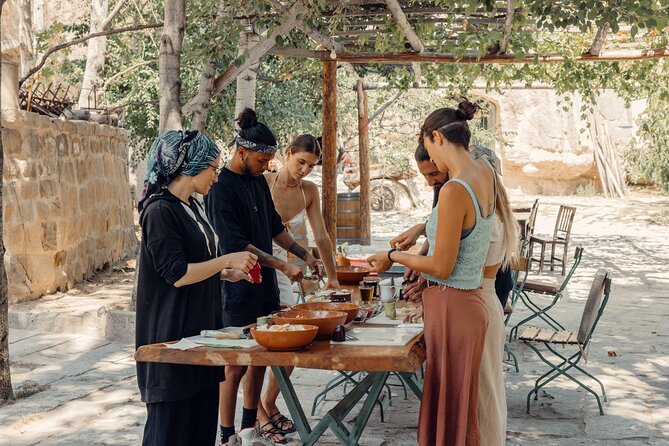
- An outdoor patio option, including cooking under vines if the weather cooperates
- Village women as instructors, turning it into a home-style lesson rather than a show
- A full lunch menu you help prepare, not just snacks and a taste
From hotel pickup to King’s Valley of Kelebek: the easy start
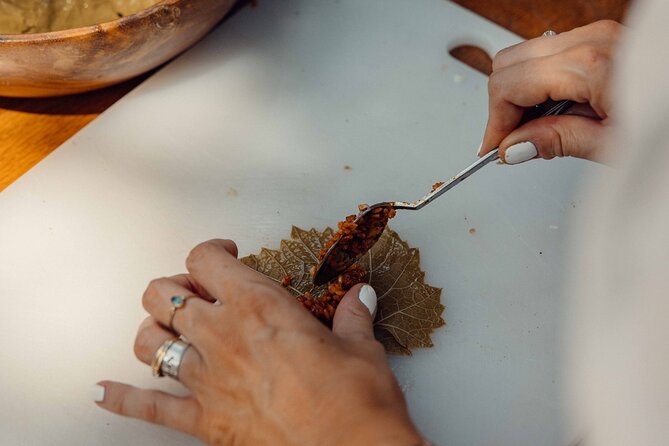
The day starts when you’re picked up from your hotel anywhere in Cappadocia. The session begins at 10:30 am, and the drive sets the tone. You’re going from the organized comfort of Goreme into a valley setting that feels quieter and more lived-in, with the Kelebek area as the backdrop.
What I like about this approach is how it removes friction. You do not need to worry about transport, finding the place, or coordinating a meeting point with a dozen moving parts. It also helps you focus on the actual point of the experience: learning Turkish home cooking and eating it right after.
One practical note: you’ll be on your feet at least some of the time. Even if it’s not a strenuous hike, you should still come prepared for uneven ground and valley paths.
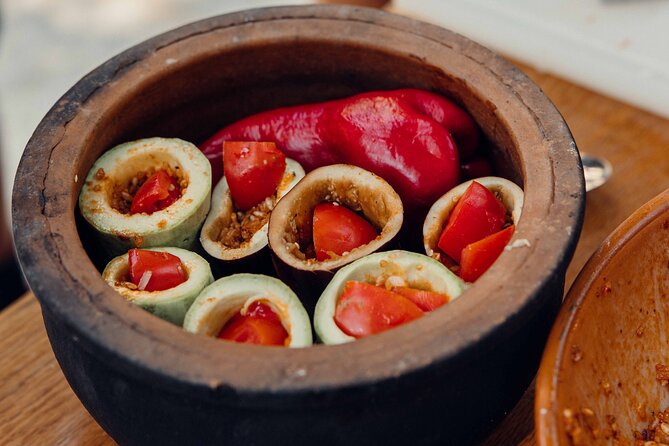
More Turkish dishes made by hand:

The valley setting and the little courtyard kitchen where cooking actually happens
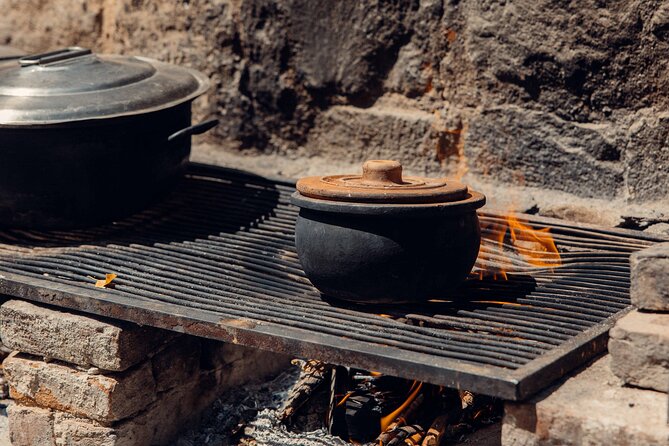
Once you arrive, the cooking happens in a cottage-like space with an open patio and outdoor dining. If the weather is good, you may cook outside under the vines. If not, the kitchen shifts indoors, so you can keep learning without the whole day getting derailed by a little drizzle.
This matters more than it sounds. Outdoor cooking in warm weather changes the flow of a class. It feels less formal, more like you’re joining a family meal. And the patio dining area gives you a natural pause afterward, when food is cooking and conversation takes over.
In past sessions, people have also mentioned an especially charming setup, including time to explore the property and see farm animals. That turns the experience from a quick cooking demo into an actual half-day outing, with a calm rhythm rather than constant instruction.
Shopping the ingredients at an organic farmer’s market
A key part of this experience happens before the stove. You go ingredient shopping at a local organic farmer’s market, and the point is simple: you’re selecting what you will cook.
This is one of the best value anchors in the whole program. When you buy produce and then cook it, the flavors land harder on your tongue. It also makes the recipes easier to repeat at home, because you understand what ingredients matter and what might be a substitute back in your own supermarket.
On some days, the farm visit can include extra insight, like learning about grape molasses. That kind of food detail is exactly the sort of thing that makes a cooking class stick in your memory, because it’s not just recipe steps, it’s the reasoning behind local flavors.
If you’re picky about dietary needs, this is also where you should ask early how flexible the menu can be. The core dishes are set, but ingredient sourcing can help you understand what’s likely adjustable.
Cooking with the village women: learning the “how,” not just the “what”
Your teachers are local village women. Their role is not to recite measurements like a cookbook, but to guide you through practical technique. In the kitchen, this may include moments where your guide translates some instruction into English, and other moments where you learn by watching, doing, and adjusting.
Several guides and translators have been mentioned in real experiences, including names like Kadir, Seçil, and Tuğba. Having an English-speaking guide helps, but the heart of the lesson is still hands-on cooking. If one instructor doesn’t speak English, you’ll still likely get by with demonstration, shared tools, and step-by-step direction.
I love this teaching style because it matches how most real cooking happens in Turkey. You’ll learn how things should look and feel while cooking, not only how long to boil something.
And yes, the class can be a little flexible. In one experience, someone found themselves in a private-style setup when the group was small. That’s not something you should plan around, but it’s a sign that the team can adapt to the group size.
What Goreme regulars wave over next
- Cappadocia: Perfume Making Workshop with +90 Essences★ 5.0 · 259 reviews
- Cappadocia Pottery Workshop Class★ 5.0 · 191 reviews
- Cappadocia: Turkish Mosaic Lamp Workshop in Göreme – All Included★ 5.0 · 139 reviews
What you’ll cook for lunch (and why this menu makes sense)
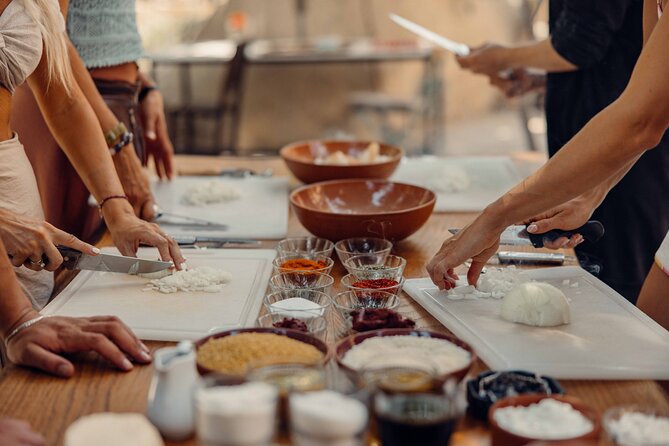
The lunch you eat is the lunch you cook. That alone is a big part of the value, because you’re not just tasting a finished platter. You’re making several components that work together.
Here’s the sample menu described for this class:
Start with soups, salads, and simple starters
You’ll make a soup starter, listed as either lentil or yogurt soup. Lentil soup is common in Turkish home meals because it’s filling and forgiving. Yogurt soup follows the same idea: it’s comforting, smooth, and a great way to learn how dairy fits into savory dishes.
There’s also a potato salad starter. This is a good choice for a class menu because it teaches technique you can reuse easily later, like dressing, seasoning, and texture control.
A third starter is salad. Even if it sounds basic, salad in Turkey often plays a role beyond “side dish.” It helps balance the richness of mains and brings freshness to the plate.
Move to hearty mains
For mains, the menu includes stuffed peppers and eggplant dishes. The listing specifically mentions stuffed peppers and egg plats, which points you to classic stuffed vegetables, where the key skill is learning how to shape the filling and cook the vegetables until tender without drying them out.
There’s also chickpeas. Chickpeas are another practical home-cooking staple, and they’re a useful way to learn how to build flavor into legumes, not just treat them as an afterthought.
Finish with a regional dessert
The dessert is listed as Aside, described as a regional dessert. Even if you do not recognize the name, this is often where cooking classes become memorable, because it’s a locally rooted sweet you might not try on your own.
Outdoor details that can make the day feel special
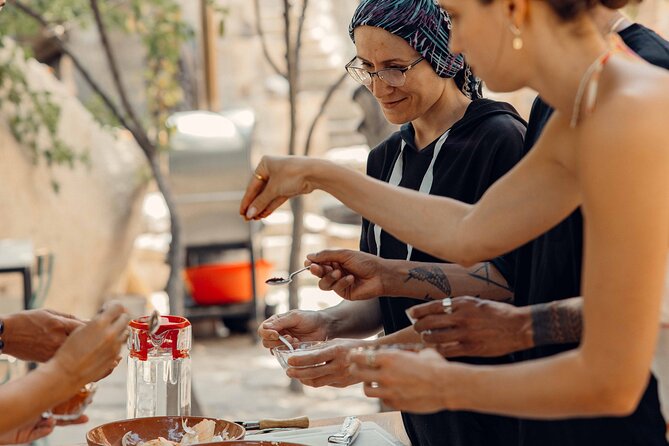
Some small extras show up depending on the day and conditions. For example, one experience mentioned a glass of wine while waiting for food to cook. If you like meal pacing, that kind of pause matters because it gives you time to talk, walk around, and let the kitchen rhythm happen.
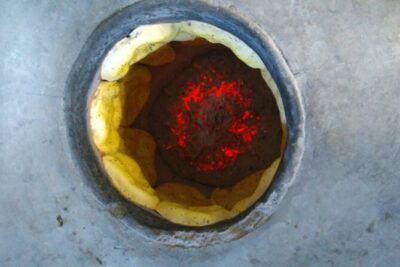
Another review-style detail worth knowing: on certain days, the ladies may be making bread, which can feel like getting a peek into a more traditional kitchen workflow. That can add a layer to your learning beyond the main lesson plan, especially if bread is something you enjoy baking or eating.
And because this is a valley property rather than a commercial kitchen, it can also feel quieter. One experience specifically described the class as a quiet, unvisited-valley type of experience. If you want the calm side of Cappadocia, this format tends to deliver it.
Group size and how it affects your learning time
This is not a huge group experience. The stated limit is 10 participants, and the overall maximum group size is 12 travelers. That usually means you get hands-on time, more than one chance to ask questions, and less waiting around for someone to notice your mixing bowl.
It also changes the vibe. Larger classes can feel like choreography, where you follow along. Here, the small number makes it easier for instructors to correct technique and for you to slow down and actually understand what you’re doing.
So if you’re the type who likes to ask why something works, this format fits you better than a lecture-style cooking class.
English support, but don’t expect everything to be scripted
The class is offered in English, and you’ll have a guide or translator to help. But the kitchen is still run by local women, and not everyone may speak English. In one experience, the instructor in the kitchen did not speak any English, yet still had a lot of personality and got the lesson across through direct cooking guidance.
This is not a problem if you come with a flexible mindset. Watch first, then repeat. Ask for small clarifications. Use gestures. Cooking is already a universal language.
Price and value: is $129.31 a good deal?
At $129.31 per person, you’re paying for more than a meal and a recipe sheet. You’re paying for:
- Hotel pickup from Cappadocia
- a guided trip to select ingredients at an organic farmer’s market
- labor-intensive instruction with village women
- a full lunch made by you
- a small-group setup that limits waiting and increases hands-on time
Is it cheap? Not really. But for Cappadocia, you’re getting a real cultural activity with food at the center. The value is strongest if you care about cooking skills you can recreate. It’s weaker if you just want to eat and take photos, because the point here is learning technique, not just consumption.
One more value clue: this class is often booked about 63 days in advance on average. That suggests it’s in demand, and if you wait too long you may miss the time slot that works best with your other Cappadocia plans.
Practical tips for a smooth, comfortable cooking day
Come ready to move a little and cook a lot.
- Wear comfortable clothes and shoes. The day is described with that recommendation, so take it seriously. Valley ground can be uneven, and kitchens get warm.
- If you hate getting splashed, remember this is cooking. You’ll likely handle sauces, salad components, and soups.
- Bring a positive attitude about translation. You might do some learning through observation and repetition, not only English explanations.
- If you’re hungry, good. Lunch is part of the experience, but the day does include steps before cooking, like ingredient shopping and arrival time.
Also, arrive with an expectation that you’ll leave with a better understanding of Turkish home cooking style, not just a list of dishes.
Who this experience is best for
This class is a strong fit if you want:
- an authentic Turkish food experience built around home-style cooking
- a small group format with real instruction
- a meal you help make, then eat immediately
- a calm half-day that feels connected to village life and local ingredients
It’s especially good for couples and friends, since small-group cooking can feel more personal. If you’re traveling solo, it can also work well, because the instructors focus on you as you participate.
If you’re not into cooking, or you want a quick, sightseeing-only day, you might find the stove time too central. This is not a passive tour.
Should you book Cooking Class at Exclusive Kings Valley?
I’d book it if you care about learning real technique and eating a meal that’s clearly tied to where the ingredients came from. The combination of organic-market shopping, small group size, and a patio kitchen in the Kelebek valley makes it one of the more meaningful food experiences in the Goreme area.
Skip it or think twice if you want a purely touristic day with minimal hands-on work. You will cook. That’s the point.
If you’re planning ahead, this one tends to fill, so booking earlier rather than later helps you lock in the 10:30 am start time that fits your schedule.
FAQ
What is the location of this cooking class?
It takes place in Goreme, Turkey, in the Cappadocia region.
What time does the class start?
The start time is 10:30 am.
How long is the cooking class?
The duration is approximately 4 hours.
Is hotel pickup included?
Yes. The operator picks up from any hotel in Cappadocia.
What group size should I expect?
The experience lists a maximum of 12 travelers, and it also notes a limit of 10 participants for an intimate experience.
Is the class offered in English?
Yes, it is offered in English.
What will I eat during the class?
A sample menu includes lentil or yogurt soup, potato salad, salad, stuffed peppers and eggplant, chickpeas, and a regional dessert listed as Aside.
What should I wear?
Comfortable clothes and shoes are recommended.
What is the cancellation policy?
You can cancel for a full refund up to 24 hours before the experience’s start time.
When will I get confirmation after booking?
Confirmation is received within 48 hours of booking, subject to availability.
Newest to reach the Goreme table
- Soganli Valley Kaymakli Underground City and All Highlights of Southeast Cappadocia
★ 5.0 · 20 reviews - Cappadocia Red Tour: Fairy Chimneys & Cave Villages
★ 5.0 · 20 reviews - Cappadocia Camel Ride at Sunset Sunrise or Daytime
★ 5.0 · 20 reviews - From Göreme/Ürgüp: Cappadocia Jeep Safari Sunrise or Sunset
★ 4.9 · 20 reviews - Full Day Cappadocia Tour with Lunch
★ 5.0 · 20 reviews - Balloon Watching & Sunrise Experience
★ 5.0 · 20 reviews
Cooking Classes, side by side.
Private Turkish Cuisine Cooking Class with Local Moms
Read our review →
Traditional Home Cooking with a Local in İstanbul City Center
Read our review →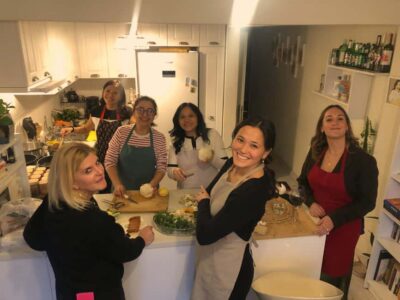
Traditional Home Cooking with a Local in İstanbul Center
Read our review →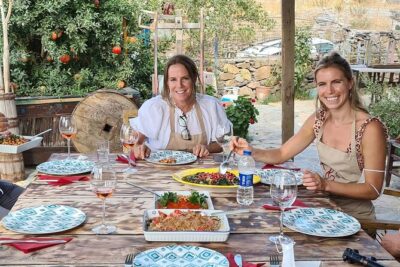
Farmers Market visit & Turkish Cooking Class
Read our review →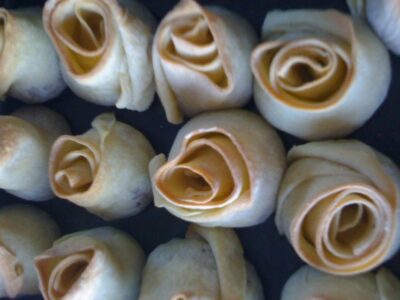
Authentic Turkish Cooking at a Local’s Home in Istanbul
Read our review →
Private Ephesus Tour & Cooking Class in Village
Read our review →Lists this tour turns up in