
Reviewed · TRABZON TOURS & ACTIVITIES
Eastern Turkey 12-Day Sightseeing Tour from Trabzon
Eastern Turkey feels like a time machine. This 12-day route out of Trabzon strings together Byzantine churches, Armenian sites, Urartian forts, Syriac monasteries, and Mesopotamian-era stops, with two domestic flights and hotel pickup so you are not wrestling logistics all week.
I especially love the cliff drama and Black Sea atmosphere at Sumela Monastery, plus the way the day folds in Altindere National Park for real variety. I also like the big arc of the trip, because Gobeklitepe and Şanlıurfa come later, after you have already built context for how deep this region’s past goes.
One drawback to plan for is the 12-day pace. You will move fast between far-apart sites, and some road time is unavoidable, so bring comfortable shoes and a “settle in, rest later” mindset.
In This Review
- Key highlights worth your attention
- A Trabzon-to-Gaziantep route that saves your brain
- Day 1: Trabzon Hagia Sophia Museum, Sumela Monastery, Altindere Valley
- Day 2: Ishan Church ruins, Coruh Valley stops, Tortum Waterfall, Erzurum madrasas
- Day 3: Erzurum city center, Ani Ruins, and Cathedral of Ani
- Day 4: Ararat views from the road, Ishak Pasha Palace, Muradiye waterfall
- Day 5: Akdamar Island church, Hosap Castle on the Silk Road, Van Fortress, Cavustepe
- Day 6: Nemrut Golu crater lakes, picnic time, and Ahlat tombstone fields
- Day 7: Hasankeyf caves and medieval ruins, Mardin Province, Deyrulzafaran Monastery
- Day 8: Diyarbakır Sur city walls, Grand Mosque, and 10 Arches Bridge
- Day 9: Mount Nemrut sunrise and Commagene statues on the summit
- Day 10: Gobeklitepe excavation dig, Abraham’s Holy Pools, and Sanliurfa museums
- Day 11: Zeugma mosaics, Gaziantep citadel district, and food that changes your mood
- Day 12: Transfer to Gaziantep Airport and how to end strong
- Value check: the price versus what you get
- Should you book this Eastern Turkey tour?
- FAQ
- Where does pickup happen?
- How long is the tour?
- What is the maximum group size?
- Is the tour offered in English?
- What meals and entries are included?
- What physical condition do I need?
- Do I receive a mobile ticket?
- What is the cancellation window?
Key highlights worth your attention
- Cliffside Sumela Monastery with Black Sea views and a classic Zigana Valley drive
- Ani, once a royal capital, with major ruins and the Cathedral of Ani stop
- Ishak Pasha Palace in a mix of Seljuk, Ottoman, Georgian, and Armenian-influenced architecture
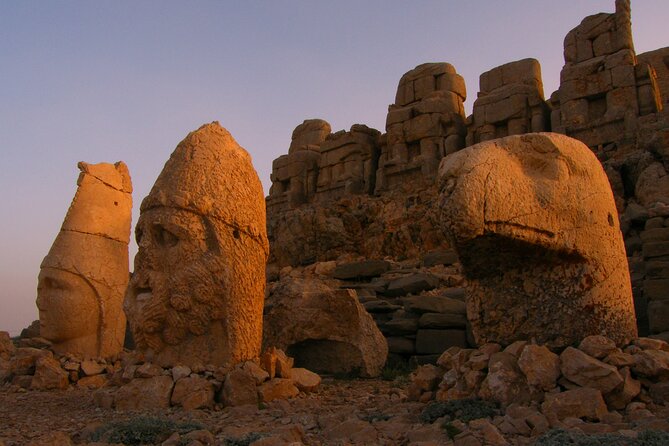
- Mount Nemrut sunset over Commagene statues and the Antiochus tumulus
- Gobeklitepe excavations at an ongoing dig that reshapes early history
- Gaziantep food focus, plus Zeugma mosaics from the submerged ancient city of Zeugma
A Trabzon-to-Gaziantep route that saves your brain
The value here is not just the sights. It is that the tour handles the big moving parts: two domestic flights, hotel pickup, airport connections, breakfast and dinner, and an air-conditioned vehicle for days of touring.
You start in Trabzon and end in Gaziantep, which is a smart geographic flow for Eastern Turkey. It also means you are not doing backtracking days, at least not in the main structure of the week.
If you want to focus on the places, not the planning, this format works. Just remember this is a high-effort trip. If you hate long drives and early starts, you may feel it more than you expect.
What Trabzon regulars wave over next

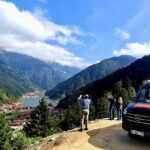
Day 1: Trabzon Hagia Sophia Museum, Sumela Monastery, Altindere Valley
You begin with a morning flight into Trabzon, and the guide meets you at the airport to collect the group. From there, the tour opens with the Trabzon Hagia Sophia Museum, a 14th-century Byzantine church set above the Black Sea. It is a great first stop because it tells you what kind of layers you are about to see all week, not just one “theme.”
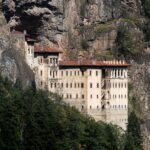
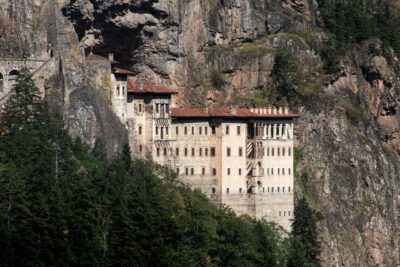
Next comes Sumela Monastery, reached via the Zigana Valley area and the Altindere National Park region. The monastery is famously perched high on a cliff, and the setting is the part that hits first. You are not just walking to a building, you are moving through a dramatic natural stage before you even reach the stones.
Then you get Altindere Vadisi National Park back in a city tour style, giving you a breather while still keeping the scenery and short walks moving. If you like trips where the environment matters, not only the monuments, this day hits.
Practical note: Bring a layer for places that feel cool after coastal air, and wear shoes that can handle uneven ground at cliff sites.
Day 2: Ishan Church ruins, Coruh Valley stops, Tortum Waterfall, Erzurum madrasas
Day 2 swings from Black Sea energy to a more inland, river-and-mountain feel. After breakfast, you drive via Artvin, with stops tied to the Coruh Valley and Georgian valley regions. You will also see the Bocka Dam along the route, which helps you understand how modern engineering sits in this long-used geography.
The highlight is Ishan Church in the mountain village area. The ruins include an 8th or 9th-century cathedral and a Virgin Mary church dedicated later in 1006. This stop feels like a small chapter break in your book, because it is not the “big famous icon” style. It rewards attention.
Then you shift to a natural spectacle: Tortum Waterfall near Tortum Lake. The tour includes a walk down to the base area, plus time that can work well for a picnic. Even if you have seen waterfalls before, the “tallest waterfall in Turkey” framing makes the scale more memorable.
In the evening side of the day, you arrive in Erzurum and visit Yakutiye Medresesi. The 14th-century madrasa includes a small museum inside, and the stop also includes a walk-around chance to see local rhythm in the city center.
Day 3: Erzurum city center, Ani Ruins, and Cathedral of Ani
Erzurum on this itinerary is about central monuments and daily life. The stop list includes the Great Mosque, the double minaret area, medreses, the bazaar, three tombs, and Ulu cami. You also get time to walk so you can see how the city functions, not only monuments on a map.
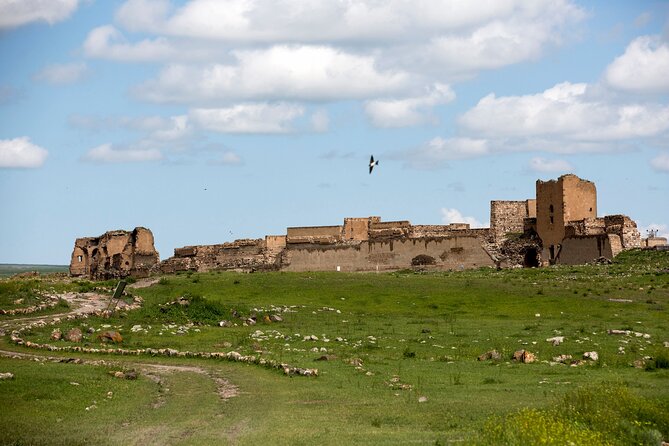
Then the tour heads toward Kars for Ani Ruins, the medieval Armenian kingdom capital. Ani matters because so much of the city footprint is still readable, including churches, the shell of the Cathedral of Ani, the citadel, a mosque, and long stretches of defensive walls. You get the sense of scale, even in ruin.
You also get a dedicated Ani Cathedral focus. The tour frames the build timeline through inscriptions tied to King Smbat II and completion around 1001 to 1010. It is a strong stop if you like architecture and want to connect dates to visible stonework.
Still on the table in Trabzon:
- Full-Day Private Tour to Uzungöl from Trabzon★ 5.0 · 21 reviews
Day 4: Ararat views from the road, Ishak Pasha Palace, Muradiye waterfall
This day is about the edge of Mount Ararat and the history that grew up around it. You drive along the western edge of the mountain, with the Ararat height referenced as 5,137 meters. Even if you only get partial views, the geography makes the region feel instantly different from coastal Turkey.
Next is Ishak Pasha Palace, near Doğubayazıt. This palace is a “fusion architecture” kind of stop, mixing Seljuk, Ottoman, Georgian, and Armenian or Persian influences. It is also visited even in its ruined state, which is important: you are not only seeing perfection, you are seeing how styles survive through time.
You then pause at Muradiye Selalesi for refreshments at the waterfall. It is a smaller stop, but it helps break the intensity. If you are pacing yourself mentally, the break is useful.
Day 5: Akdamar Island church, Hosap Castle on the Silk Road, Van Fortress, Cavustepe
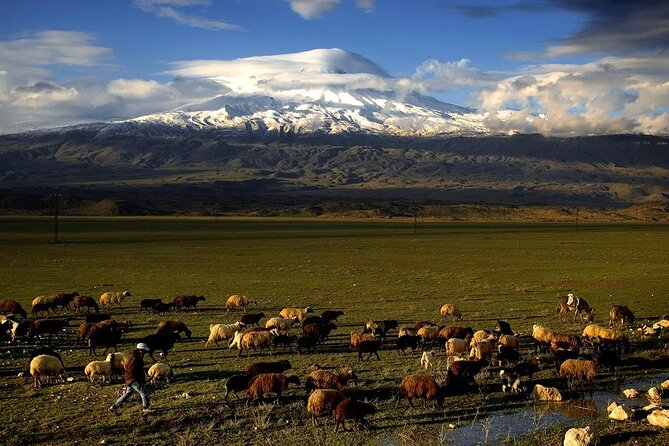
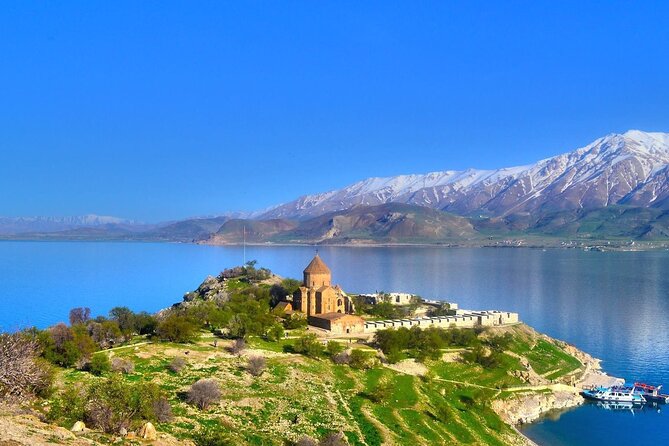
This is a big day of “forts and faith,” anchored by Akdamar. You travel to Akdamar Island to see the restored 10th-century Armenian Church of the Holy Cross, also known as Sourp Khach. The exterior reliefs and decorative features are a major part of why this church is famous, and the church is unique in that there are no comparable examples for the style of relief work. Even with later additions, the original grace is still visible.
Then you head to Hosap Castle (Hosap Kalesi). The story here is the Silk Road angle, because the castle location protected travel and also connected to toll charging for people moving through. The structure today is mostly from 1643, rebuilt by the governor and tied to local power, but earlier layers may reach back further.
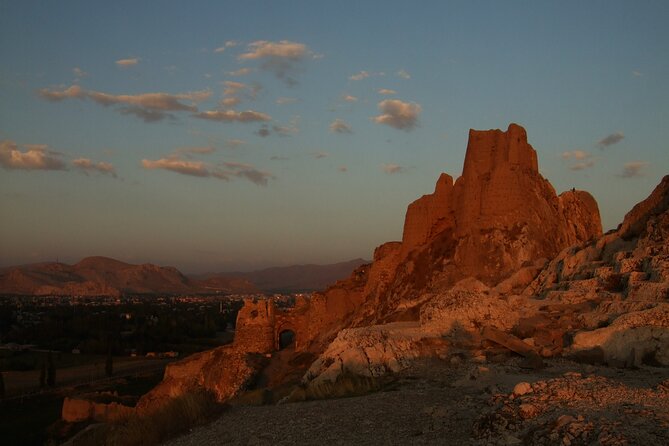
After that, you visit Van Kalesi, the Fortress of Van built by Urartian powers between the 9th and 7th centuries BC. It sits over the ancient Urartian capital of Tushpa. The scale is the point: it is massive stone fortification territory rather than a compact monument.
Finally, you add Cavustepe (Sardurihinilli), an Urartian royal palace and fortress. It is a shorter stop, but it complements Van by focusing on royal life and control.
Day 6: Nemrut Golu crater lakes, picnic time, and Ahlat tombstone fields
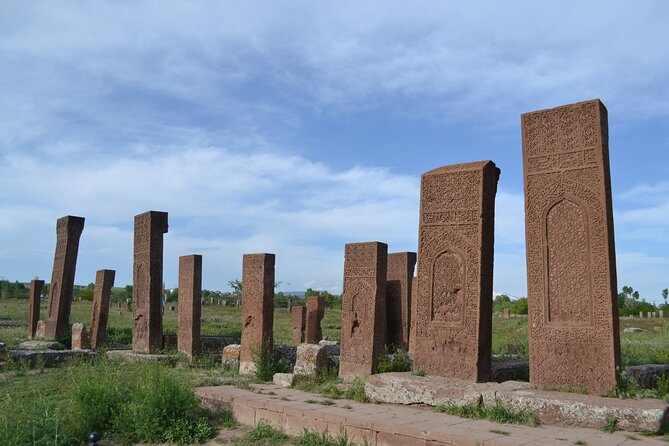
Day 6 is calmer in the best way, because it shifts toward volcanic scenery. You drive along the southern shore of Lake Van to Tatvan, stop for refreshments, and then go up toward Nemrut crater lakes.
The plan includes a picnic lunch by the crater lakes. You visit both the Cold Lake and Hot Lake. The Cold Lake is framed by depth and surface size, and the Hot Lake is associated with steam rising from thermal springs. Even if you do not go for long hikes, you still get the “volcanic system” picture.
Afterward, you go to Ahlat. This is known for Ahlatshah dynasty tombstones. If you like cemetery art and stone carving, this stop becomes one of the quiet favorites. It also works as a mental reset after fortress intensity.
Day 7: Hasankeyf caves and medieval ruins, Mardin Province, Deyrulzafaran Monastery
This day brings you closer to the Tigris and to older cliff dwellings. The route goes via Bitlis and down the Bitlis Gorge, stopping through Batman before reaching Hasankeyf for lunch. In Hasankeyf, you visit caves and ruins tied to the medieval Byzantine city on the Tigris.
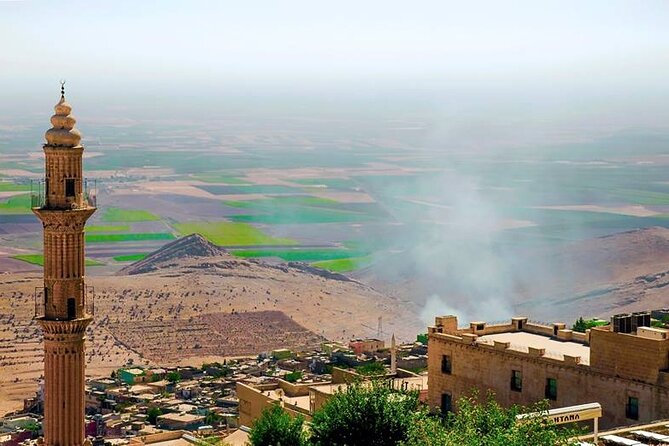
Then you continue into Mardin Province, famous for architecture in beige limestone. The tour frames Mardin as an open-air museum feeling because so much building fabric is limestone rock mined locally.
You finish the day at Deyrulzafaran Monastery, the Saffron Monastery. It is tied to the Syriac Christian patriarchate history and also sits over an ancient 1000 BC temple. That detail matters, because the monastery is not only medieval, it is built on older foundations, including the idea of a flat arch roof over the temple for sun worship.
This is also one of those stops where your guide’s storytelling really affects the experience. The better guides make you see how religious function changes over centuries.
Day 8: Diyarbakır Sur city walls, Grand Mosque, and 10 Arches Bridge
You start with the Diyarbakır Fortress, particularly the Sur district walls. The tour describes it as having inner and outer fortresses and names gates like Dağ, Urfa, Mardin, and Yeni (New). The walls are linked to the Roman city of Amida and constructed in their current form in the mid-4th century AD. The “longest complete defensive walls” framing is part of how it lands.
Next you visit the Grand Mosque. It is said to be built by Seljuk Sultan Malik-Shah I over an older mosque, and its shape is compared to the Great Mosque of Damascus. The stop includes a note about hosting different Islamic traditions and a large capacity.
Then there is time for a broader Diyarbakır walk: including Meryem Ana Church, the 10 Arches Bridge on the Tigris River, and the Ottoman Hasan Pasha Han from the 16th century.
Day 9: Mount Nemrut sunrise and Commagene statues on the summit
This is your long, emotional day. You go to Nemrut via a ferry crossing over the Euphrates, arriving near Narlice Village in Nemrut National Park. From there, you travel up to the top for the tumulus area.
At the summit, you are looking at the funerary monument of the Commagene Kingdom, including colossal statues of gods and tombs tied to Antiochos. The tour includes a climb to Tumulus of Antiochos and a plan to watch the sunset from the summit.
The story angle matters here: the monument was lost for nearly 2000 years and rediscovered in the early 1880s. When you stand among the stones, you understand why that rediscovery is such a big deal.
Practical note: Bring warm layers for high elevation, and plan for limited services. If you are sensitive to cold or wind, dress for it, not for the thermometer.
Day 10: Gobeklitepe excavation dig, Abraham’s Holy Pools, and Sanliurfa museums
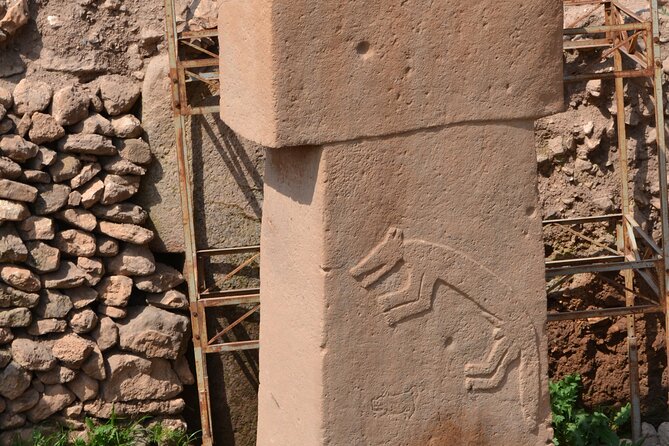
Day 10 is the “wait, how is this possible” sequence. You visit Gobeklitepe, described as an ongoing archaeological dig and framed as one of the most important currently underway. The tour emphasizes that this site includes the earliest religious structures built by man yet to be discovered, and it predates pottery, writing, and far later big monuments people usually learn first.
Then you move to Şanlıurfa (Sanliurfa) for the Holy Pools of Abraham and the cave where the Prophet Abraham is traditionally said to have been born. You also get bazaar and Gümrük Han time, so you are not only indoors.
Finally, you visit the Şanlıurfa Archaeology and Mosaic Museum. The museum holds findings from the surrounding area, tied to the region and also connected to Göbeklitepe and Harran, plus related projects. It is a good ending stop because it connects the outdoor dig to what researchers preserve.
Day 11: Zeugma mosaics, Gaziantep citadel district, and food that changes your mood
You head to Gaziantep and first visit the Zeugma Mosaic Museum. The key detail is that the mosaics were taken from the city of Zeugma, which is now submerged under the flood waters of the Ataturk Dam. When you see the mosaic craftsmanship, the point becomes clear: these works survived by being moved.
After that, the schedule includes leisure time around the citadel district and then the old town. This is where the day becomes practical enjoyment, not only sightseeing.
And yes, the tour puts serious emphasis on food. Gaziantep is described as different from other parts of Turkey, with influence from Oğuz Turks and Aleppo nearby. You will see kebab varieties like kıyma kebab, kusbasi kebab, simit kebab, patlıcan (aubergine) kebab, ciger (liver) kebab, and others, plus lahmacun and karışık dolama, and dishes like yogurtlu patates.
If you like eating your way through history, this is one of the best days.
Day 12: Transfer to Gaziantep Airport and how to end strong
After breakfast, you transfer to Gaziantep Airport. This is a straightforward wrap-up day, but it is also a chance to avoid the classic “final day scramble.”
I suggest you pack smart for a trip like this. You will do monastery walks, ruins with uneven ground, and high-elevation windy stops, so keep one day bag and one proper pair of shoes that can handle dust and stone.
Also, because you are on the move between regions, you will likely want a reliable travel rhythm: hydrate early, snack between major stops, and do not plan to recover from a long drive in one evening.
Value check: the price versus what you get
At $3,850 per person, this is not a budget tour. The value comes from how much is included and how much it reduces your planning workload.
You are paying for:
- Two domestic flights (a big cost and hassle saver)
- Pickup and a dedicated touring vehicle with AC
- Breakfasts and dinners plus entries to many museum and site stops
- A private-guide style experience built around local context
Where you should be careful is meals. The data lists lunch in one place but also marks lunch as not included elsewhere. Before you book, confirm what your departure date includes for lunch, so you are not surprised mid-trip.
Also consider comfort and vehicle size. The trip limits to a maximum of 8 travelers, but there have been notes about a vehicle being tight for passengers and bags. If you travel with bulky luggage, ask what vehicle you will be using for your dates.
Should you book this Eastern Turkey tour?
Book it if you want a single, structured route that hits the major “layered past” sites, from Trabzon’s Byzantine church world to Gobeklitepe and the mosaics of Zeugma, and you want someone to connect the dots for you. This is especially good for travelers who like monuments plus scenery, and who prefer guided context over self-directed wandering.
Consider skipping or choosing a lower-pacing option if you are easily worn out by long drives, or if you need a slow travel style with lots of downtime. This itinerary is built for movement, and while breaks exist, the distances are part of the product.
If you are the type who loves standing in historic places, listening to how they changed across empires, and then rewarding yourself with Gaziantep food, this one is a strong fit. Just bring stamina, smart shoes, and a small patience buffer for the always-busy realities of touring.
FAQ
Where does pickup happen?
The tour offers pickup from Trabzon Airport.
How long is the tour?
The duration is 12 days, approximately.
What is the maximum group size?
The tour has a maximum of 8 travelers.
Is the tour offered in English?
Yes, it is offered in English.
What meals and entries are included?
The package includes breakfasts and dinners, plus all fees and taxes and includes museum site entries. Lunch is listed in the included section, but lunch also appears in the not included notes, so you should confirm what your exact dates include.
What physical condition do I need?
You should have a moderate physical fitness level.
Do I receive a mobile ticket?
Yes, a mobile ticket is included.
What is the cancellation window?
You can cancel up to 24 hours in advance for a full refund.
Newest to reach the Trabzon table
- Full-Day Private Tour to Uzungöl from Trabzon
★ 5.0 · 21 reviews - Uzungol Tour: Full-Day Nature Adventure with Tea Factory Visit
★ 5.0 · 36 reviews - Sumela Monastery, Zigana and Hamsiköy Village Tour
★ 5.0 · 73 reviews - Trabzon: Sümela Monastery and Hamsiköy Tour
★ 4.5 · 147 reviews - Trabzon: Uzungöl Group Tour, Explore The Nature & Taste Tea
★ 4.6 · 51 reviews
Trabzon Tours & Activities, side by side.
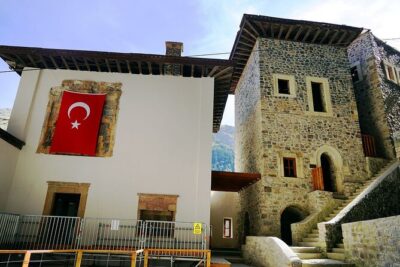
Sumela Monastery, Zigana and Hamsiköy Village Tour
Read our review →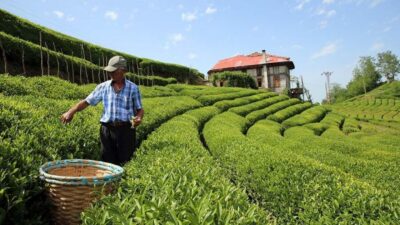
Uzungöl Group Tour, Explore The Nature & Taste Tea
Read our review →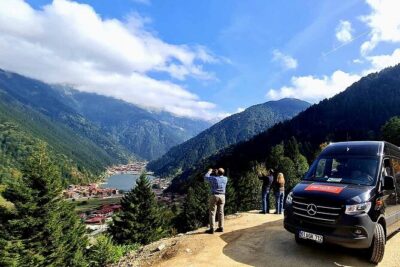
Uzungol Tour: Full-Day Nature Adventure with Tea Factory Visit
Read our review →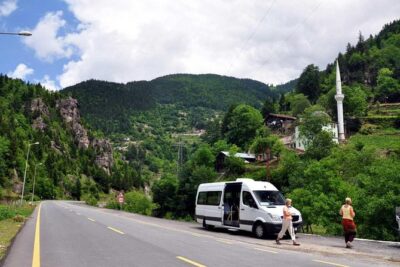
Full-Day Private Tour to Uzungöl from Trabzon
Read our review →Lists this tour turns up in