
Reviewed · CESME TOURS & ACTIVITIES
In The Footsteps Of Rumi
Rumi’s Konya feels alive. This half-day to full-day circuit brings you to the core places linked with Mevlâna Celaleddin Rumi, starting with the Mevlâna Museum and the tomb inside the famous turquoise dome. I like that the tour is timed like a story, not just a checklist, so the spiritual ideas make sense as you move from place to place.
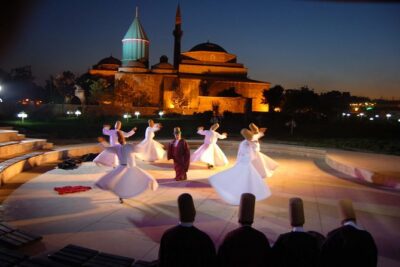
I also really like the way the tour explains Sufism in plain language, and how guides bring the whirling dervishes and their tekkes to life. On past tours, guides such as Hayri, Fatima, and Hüseyin have helped guests connect Rumi with Shams of Tabriz, and even with the everyday people around Rumi. The result is that you leave with more than photos, you leave with context.
The main drawback to consider is that several stops are short, so if you want extra time to wander slowly or go deep on one site, you may wish this were longer. Many locations are scheduled for 5 to 40 minutes, which keeps things moving but limits how long you can linger in each spot.
In This Review
- Key Highlights You Should Care About
- Konya’s Rumi Sites Make a Coherent Day
- Mevlana Muzesi: The Tomb, the Museum, and the Turquoise Dome
- Kultur Park Alaeddin Tepesi (Marecel Bahreyn): Small Stop, Big Connection
- Iplikci Cami and Altunaba Madrasah: Seljuk-Era Threads in 15 Minutes
- Sems-i Tebrizi Tomb and Mosque: Where the Rumi Story Turns
- The Historical Gold Bazaar: Hammers, Gold, and the Whirling Origin Story
- Ateşbaz-ı Veli Turbesi: The Dervish House Through the Kitchen
- Meram Bagları and Cemel Ali Dede’s Tomb: A Family-Style Story
- Lunch in Konya: Etliekmek and a Real Time Out
- Price, What You Really Get, and Where the Value Comes From
- Who This Tour Fits Best in Real Life
- Should You Book In The Footsteps Of Rumi?
- FAQ
- How long is the tour?
- Is lunch included, and what do you eat?
- Are pickup and transportation included?
- What language is the tour guide?
- Are tips included for the guide and driver?
- What is the cancellation policy?
Key Highlights You Should Care About
- Mevlâna Museum first, for the full effect: the tomb and museum set the tone for the rest of your day.
- Shams-i Tebrizi’s tomb and mosque stop: a major emotional and historical anchor for the Rumi story.
- Kultur Park Alaeddin Tepesi (Marecel Bahreyn): a quick stop that links Rumi to Shams-i Tebrizi at their first meeting place.
- Gold bazaar with a whirling origin story: you’ll hear how the sound of hammering gold ties into Rumi starting to whirl.
- Ateşbaz-ı Veli, Rumi’s cook: you get a human angle on the Mevlevi house, not only famous names.
- Lunch built around Konya comfort food: etliekmek is included, so you’re fueled without hunting for a place.
Konya’s Rumi Sites Make a Coherent Day

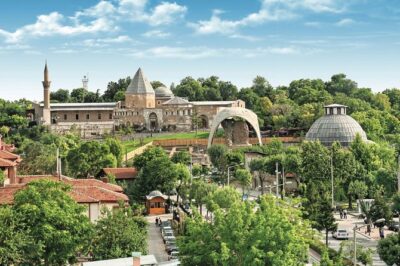
This tour is sold for İzmir, but the action is in Konya, the city most tied to Rumi’s life. You’re looking at a focused, guided route that moves between religious sites, Sufi landmarks, and a couple of story-linked spots in the old city area.
The pacing is built for first-timers who want meaning without spending days mapping the sites. Because it’s private for your group, you can ask questions and get explanations in real time, which matters with something as layered as Sufism.
Plan on a morning start. The experience runs in a 9:00 AM to 11:00 AM window, and pickup is available from hotels, plus the airport, bus, and train stations around Konya. That lets you stitch this into a travel day cleanly, rather than losing half a day to logistics.
What Cesme regulars wave over next
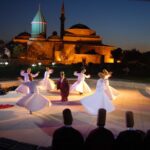
Mevlana Muzesi: The Tomb, the Museum, and the Turquoise Dome
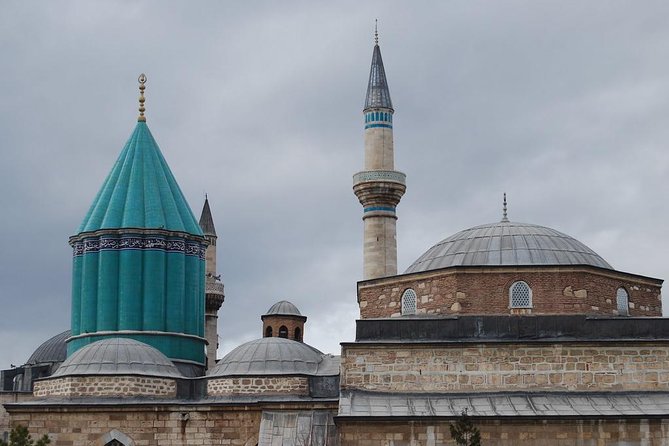
Your day anchors at the Mevlâna Muzesi, the major Sufi center in Turkey. This is where you’ll see the tomb of Mevlâna Celaleddin Rumi and the museum housed within the former lodge associated with the whirling dervishes.
Expect about 2 hours here, and budget that time as the emotional center of the day. Even if you’re not a history expert or not a Sufi, the space communicates something through design and symbolism. The fluted dome with turquoise tiles is one of those visuals you’ll remember long after you’re back on the road.
A practical bonus: admission to the museum is included, so you’re not doing ticket math at each stop. That makes the visit feel smoother and lets you concentrate on what you’re seeing.
Possible downside? Because this is the main stop, it can attract more attention than later sites. If you’re the type who likes to slow down, arrive ready to take your time in the first 2 hours, because the rest of the day keeps moving.
Kultur Park Alaeddin Tepesi (Marecel Bahreyn): Small Stop, Big Connection
Next comes Kultur Park Alaeddin Tepesi, with a named point called Marecel Bahreyn, the place where the two seas meet. In Rumi’s story, this marks the first meeting place between Rumi and Sems-i Tebrizi, also known as Shams-i Tebrizi.
This stop is brief, only about 5 minutes, and that can feel like a “quick photo stop” if you miss the context. The real value is the link it gives you: it tells you why Shams matters beyond being a famous name. With an attentive guide, the visit turns into a moment of story continuity instead of just standing by a landmark.
If you have any interest in the relationship between Rumi and Shams, keep your eyes open here. The explanation you get at the time makes the later tomb visit much more meaningful.
Iplikci Cami and Altunaba Madrasah: Seljuk-Era Threads in 15 Minutes
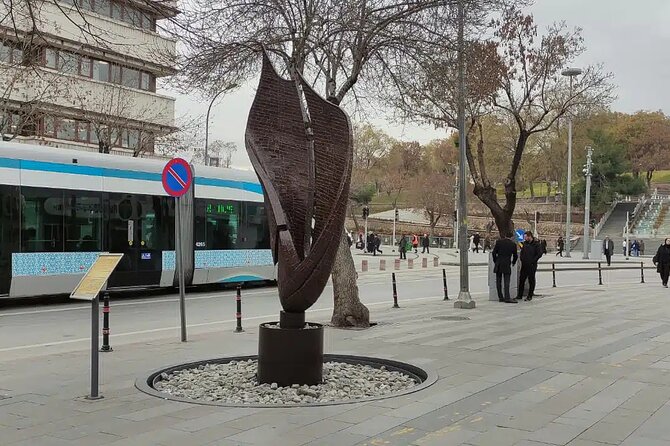
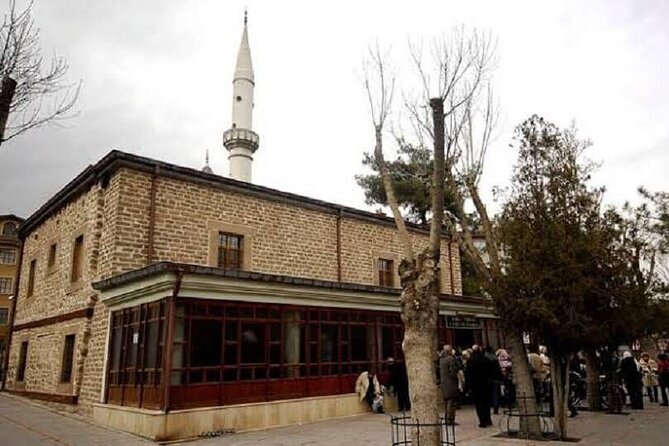
At İplikçi Cami (Iplikci Mosque) and the nearby Altunaba Madrasah, you get a slice of Seljuk-era life that sits beside the larger Rumi narrative. The mosque was built in 1202, which helps you feel the timeline, not just hear it.
The Altunaba madrasah is mentioned as Rumi’s madrasah, though it did not survive. That detail is important because it sets expectations: you may not be seeing an intact complex in the way you’ll see the tombs and the main museum.
This stop lasts about 15 minutes and admission is free. You’ll likely get more value from it if you treat it as “placement,” a place that shows how religious education and spiritual life were physically woven together in the same city fabric.
Still on the table in Cesme:
- Private Transfer from Konya to Cappadocia with Sultanhani★ 5.0 · 24 reviews
Sems-i Tebrizi Tomb and Mosque: Where the Rumi Story Turns
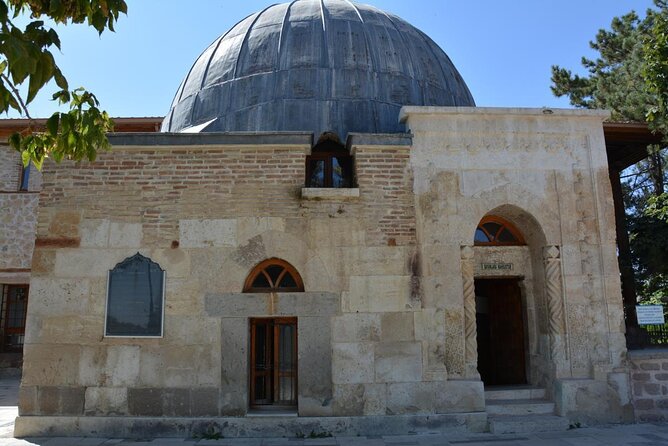
If the Mevlâna Museum is the heart of the tour, then the Sems-i Tebrizi Tomb & Mosque is the emotional spine. Shams-i Tabrizi is described as Rumi’s spiritual guide, inspiration, and companion, and the tomb is one of the key places to visit.
You’ll spend time here after the earlier stops, then the route transitions toward the gold bazaar. That sequencing matters. You move from the relationship story (their meeting point) to the personal depth (Shams’s tomb), and then you’re ready for the tale that connects the bazaar sounds to Rumi’s turning.
What to look for: focus on the guide’s explanation more than rushing your photos. People often remember the physical architecture, but the guide’s framing is what keeps the experience from becoming “another tomb visit.”
The Historical Gold Bazaar: Hammers, Gold, and the Whirling Origin Story
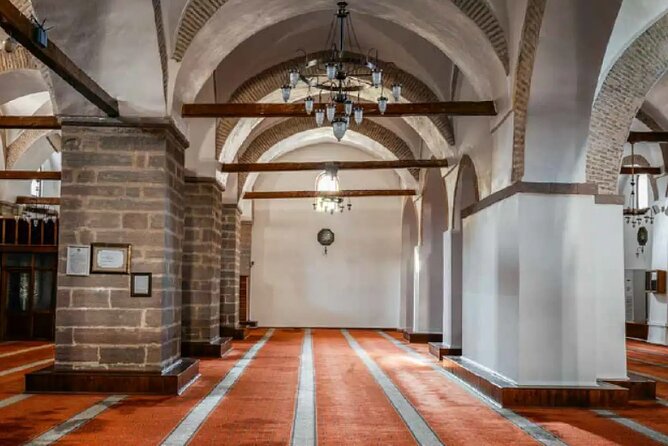
After Shams-i Tebrizi, you’ll head to the historical gold bazaar, with about 40 minutes allotted. This part of the day feels more worldly than the tomb sites, but it’s still connected to Rumi’s story.
Sources in the tour description tie the gold bazaar to the moment Rumi began to whirl, linked to the sound of apprentices hammering gold sheets. Whether you take every detail as literal or symbolic, the point is clear: the whirling is presented as something triggered by human craft, sound, and daily life, not only abstract spirituality.
This is also where you can do some casual browsing, and you may get a better sense of Konya beyond the museum walls. If your group enjoys markets, this is the time.
Small caution: bazaar time can add up fast once you’re tempted to shop or stop for snacks. Since lunch is included earlier, you can keep this portion light and save your appetite for the meal and the rest of the day.
Ateşbaz-ı Veli Turbesi: The Dervish House Through the Kitchen
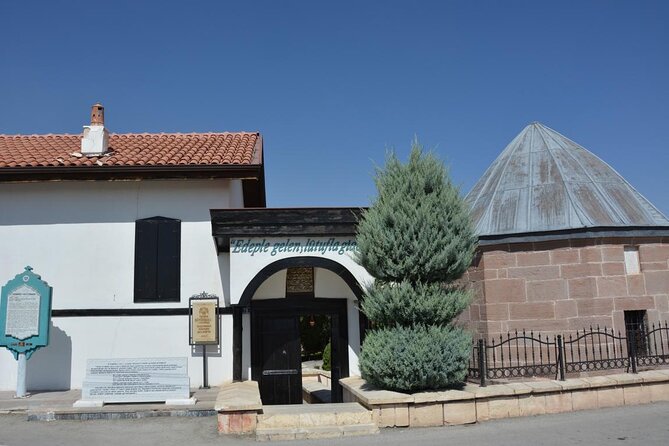
One of the most interesting stops is Ateşbaz-ı Veli Turbesi. Ateşbâz-ı Velî is described as Rumi’s cook, and the tour connects him to the Matbah-ı Şerif, the kitchen area of Mevlevi dervish houses.
This is a great reminder that spiritual communities aren’t only ceremonies and buildings. They’re people doing real work, eating together, and building a rhythm. The kitchen role gives you a human entry point into the Mevlevi world.
Time here is about 30 minutes, with admission free. I like this stop because it breaks up the “tomb concentration.” It also offers a different angle for understanding how a tekkes functioned day to day.
Meram Bagları and Cemel Ali Dede’s Tomb: A Family-Style Story
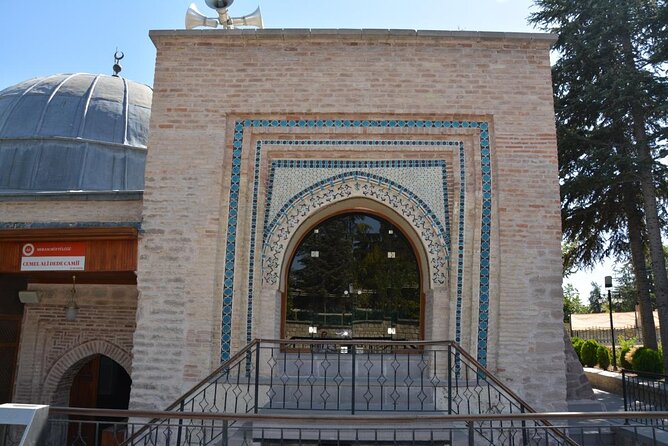
In the Meram Bagları area, you visit the Cemel Ali Dede’s tomb with about 15 minutes allotted. The tour explains he was Rumi’s nanny and that he helped entertain young Rumi by putting him on his back, which is why he received the name Cemel, meaning camel.
This is the kind of stop that makes the day feel more personal. It’s not always what people expect from a Rumi-focused tour, but it adds texture. You start to see Rumi not only as a poet and saint, but as a child with caregivers, routines, and relationships.
Admission is free here as well. Keep your questions ready, because this stop often depends on the guide’s storytelling for full impact.
Lunch in Konya: Etliekmek and a Real Time Out
Lunch is included, and it’s designed around traditional Konya food, specifically etliekmek. That matters for value. In many tours, lunch is a generic add-on. Here, the meal is tied to the destination, so you’re eating what locals actually talk about.
You’ll also avoid the stress of choosing a restaurant mid-day while your group is moving between sites. When the day is packed, having lunch handled is a simple form of care.
If you have dietary needs, it’s worth planning ahead, but the specific menu options and substitutions are not listed in the provided info. So treat lunch as included, and confirm any restrictions with the provider when you book.
If you want one extra Konya food tip after the tour: one guide-style takeaway from prior tour experiences is to seek out Hosmerim, a local cheese dessert, since it’s considered a must-try in Konya. It’s not stated as included, so plan to eat it on your own schedule later.
Price, What You Really Get, and Where the Value Comes From
The price is $140 per person for a 6 to 7 hour experience. On its face, that’s not a budget option. But the value picture is clearer when you match cost to what’s included.
You get:
- Pickup and private transportation (so you are not figuring out buses or taxis)
- Professional guiding in English
- All fees and taxes
- Lunch
- Admission ticket included for the Mevlâna Museum, while other stops list admission as free
The biggest value driver here is time and coordination. Rumi sites are not spread evenly, and a private car plus a guiding flow saves you from the “where do we go next” problem. For many visitors, that alone is worth paying for.
Also, this is offered as a private tour/activity, meaning only your group participates. That often improves the experience. You can ask questions without waiting for a busload of people to settle down.
Main cost consideration: tipping is not included for the guide and driver. That’s normal for many private tours, but it’s something to budget so you do not feel surprised at the end.
Who This Tour Fits Best in Real Life
This works especially well if:
- You’re visiting Konya for a short time and want the major Rumi-linked sites in one organized route
- You like religious and cultural storytelling that explains meaning, not only architecture
- You prefer a private day where your questions can shape the flow
It’s also a good match if you’re traveling with mixed interests. The Mevlâna Museum is a major cultural landmark, and non-Muslims often find the architecture and story accessible, especially with a guide translating Sufism themes into everyday language.
If you are the kind of traveler who needs long quiet time at one place, you might feel rushed at the smaller stops. The short durations at points like Alaeddin Tepesi (5 minutes) and Iplikci Mosque (15 minutes) mean you get a taste, not hours of wandering.
Should You Book In The Footsteps Of Rumi?
I’d book it if your goal is a meaningful Konya day built around Rumi, with guided context and a real meal included. The combination of Mevlâna Museum, Shams-i Tebrizi’s tomb, and story-linked stops like the gold bazaar and Ateşbaz-ı Veli makes the day feel connected, not random.
Skip or consider another option if you want a slower itinerary focused on one site. With multiple stops kept intentionally short, this is built for breadth. And if you already know you want hours inside one particular complex, you may want to pair this with extra independent time afterward.
FAQ
How long is the tour?
The tour runs about 6 to 7 hours.
Is lunch included, and what do you eat?
Yes. Lunch is included at a restaurant serving traditional Konya etliekmek.
Are pickup and transportation included?
Yes. Private transportation is included, and pickup is offered from any hotel, airport, bus station, or train station in Konya.
What language is the tour guide?
The tour is offered in English.
Are tips included for the guide and driver?
No. Any tip for the guide and driver is not included.
What is the cancellation policy?
You can cancel up to 24 hours in advance for a full refund. If you cancel less than 24 hours before the start time, the amount you paid is not refunded.
Newest to reach the Cesme table
- Private Transfer from Konya to Cappadocia with Sultanhani
★ 5.0 · 24 reviews - Catalhuyuk Archeological Site Tour
★ 5.0 · 27 reviews - Cesme: Islands and Bays Boat Trip with BBQ Lunch
★ 4.7 · 117 reviews - Highlights of Konya
★ 5.0 · 78 reviews - Private Sufi Tour
★ 5.0 · 62 reviews
Cesme Tours & Activities, side by side.

Private Transfer from Konya to Cappadocia with Sultanhani
Read our review →Lists this tour turns up in