
Reviewed · CITY TOURS
Istanbul Small-Group City and Secret Streets Tour with Guide
Istanbul in three hours, with secret alley detours. This tour works because it pairs big-name landmarks like Hagia Sophia with quick hits in lesser-noticed streets, so you get the full city mood, not just a checklist. I like how the guide ties the places together into one story, then sends you off through quieter corners.
Two things I especially liked: first, the route makes sense for a first day, starting with Basilica Cistern style history and ending in the bazaar zone. Second, the small size keeps the experience human, with guides like Errol, Gamze, Hüseyin, Tolga, and Zeynep (Dimple) showing up as real hosts who answer questions and adjust for the group.
One possible drawback to plan for: it is a walking tour, and your time inside specific sights can vary. In past experiences, some people only got an interior visit for the Blue Mosque, while Basilica Cistern could mean an extra ticket if you want to go in.
In This Review
- Key highlights worth planning around
- Why this 3-hour route works in Istanbul
- Basilica Cistern, built for cooling off and cinematic drama
- Sogukcesme Sokak: a quick street stop with a sharp visual payoff
- Caferaga Medresesi: where Turkish arts are taught and sold
- Hagia Sophia Grand Mosque: the Byzantine-to-museum-to-mosque timeline
- Topkapi Palace: Ottoman power, in human scale
- Sultanahmet district and the Walled Obelisk, photo stops that teach
- German Fountain and Hippodrome fragments: history written in stone
- Blue Mosque: the most important interior moment, so time it well
- Sultanahmet Square and Tahtakale: a breather, then a shopping reality check
- Spice Market at Misir Carsisi: your closing sensory hit
- Price and value: is $72.59 worth it?
- Group size, pace, and walking level you should expect
- Should you book this Istanbul small-group secret streets tour?
- FAQ
- How long is the tour?
- What does the tour cost, and what’s included?
- Is hotel pickup and drop-off included?
- Where do I meet, and where does the tour end?
- Are admissions included for places like the Basilica Cistern, Hagia Sophia, and the Blue Mosque?
- Is there a lot of walking?
- Can I cancel for a full refund?
Key highlights worth planning around
- Secret streets near Topkapi Palace: Sogukcesme Sokak, with historic houses leaning against the palace walls
- Big monuments, short format: Hagia Sophia, Topkapi Palace, Blue Mosque, and major Hippodrome fragments in about 3 hours
- Handcraft focus at Caferaga Medresesi: a former medrese tied to Turkish classical arts like calligraphy, ceramics, and jewelry
- Bazaar time with an end goal: Tahtakale market area plus a stop at Misir Carsisi (Spice Market)
- Guide energy matters: names that show up often include Errol, Hüseyin, Tolga, Gamze, and Zeynep (Dimple)
- Double-check admissions expectations: some experiences report interior entry only for the Blue Mosque, even if the tour notes free admission
Why this 3-hour route works in Istanbul
This isn’t a slow, museum-by-museum day. It is a focused walk through the historic spine of Sultanahmet, then into the bazaar world, with enough context to help you recognize what you’re seeing.
If you have limited time, this kind of route is the right move. You come away knowing where things are and why they matter, so later visits feel easier and faster.
More City Tours in Istanbul

Basilica Cistern, built for cooling off and cinematic drama
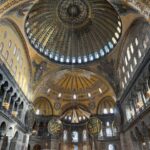
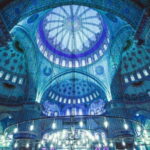
The day starts with Basilica Cistern, the spacious Roman-built water reservoir associated with Emperor Justinian’s era. It was commissioned and built in 532, and it is famous for Roman engineering plus the huge, cavern-like space that feels like a break from Istanbul heat.
Here’s the practical part: the tour notes free admission for this stop, but some experiences also say Basilica Cistern interior entry came with an added charge. If you care about going inside and wandering the full space, I’d treat the Cistern as the one place where you may need to budget extra, then you can relax if it ends up included.
Also, this is the right warm-up. You learn how Istanbul’s water infrastructure and empire-scale building worked, before you step into religious and imperial landmarks.
Sogukcesme Sokak: a quick street stop with a sharp visual payoff
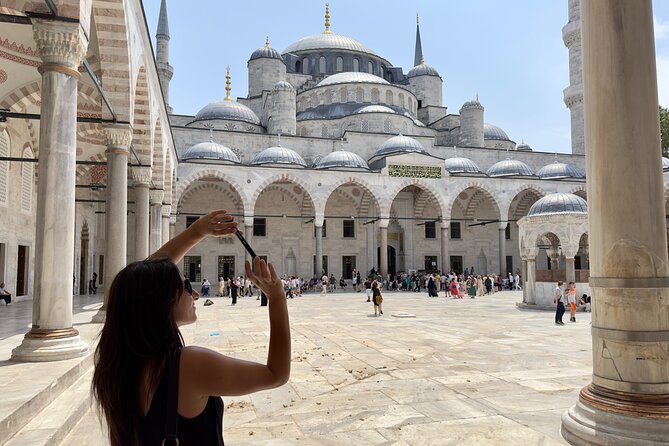
Next you hit Sogukcesme Sokak, a short street lined with historic houses. The standout detail is that the buildings appear to lean against the wall of Topkapi Palace, which makes the past feel close and physical.
This kind of stop is more than scenery. A quick “look and explain” moment like this helps you understand how dense the old city is, and why Ottoman palaces and everyday housing ended up cheek by jowl.
Caferaga Medresesi: where Turkish arts are taught and sold
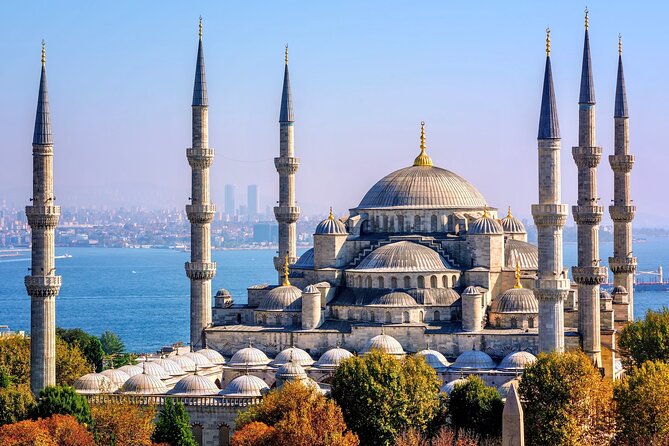
Caferaga Medresesi is a former medrese that is now recognized as a center for Turkish classical arts. The focus is hands-on and practical, tied to traditions like calligraphy, ceramics, and jewelry, with items made and sold there.
I like this stop because it isn’t only about monuments. It nudges you toward the culture of making and learning, which is part of Istanbul beyond the postcard views.
If you shop, keep your expectations grounded. This is a craft stop, so you may see items offered for purchase, but you can simply enjoy the demonstrations and skip buying if you’re not in the mood.
What Istanbul regulars wave over next
- Istanbul: Bosphorus Dinner Cruise & Show with Private Table★ 4.8 · 62,058 reviews
- Istanbul: Daytime or Sunset Sightseeing Cruise & Audio Guide★ 4.8 · 14,430 reviews
- Istanbul: Bosphorus Dinner Cruise & Turkish Night Show★ 4.8 · 12,954 reviews
Hagia Sophia Grand Mosque: the Byzantine-to-museum-to-mosque timeline
Then you reach Hagia Sophia Grand Mosque, one of the world’s most recognizable domed landmarks. The timeline is the point: it began life as a church in 532 AD, shifted to a mosque after the conquest in 1453, and has been a museum since 1935.
What makes the stop useful is how the guide helps you read the architecture. You’ll usually get a close look and a clear explanation of the building’s role under Justinian I, plus what makes its interior mosaics and massive dome so important.
A small caution: some experiences describe tours that do not include interior entry for every named landmark. So think of Hagia Sophia here as a strong viewing and orientation stop, not necessarily a guarantee of a long interior visit.
Topkapi Palace: Ottoman power, in human scale
Topkapi Palace is the imperial residence of Ottoman sultans, and it is the kind of place that comes with stories. You’ll get the essentials like how court life operated and how many sultans ruled from the palace over the Ottoman Empire’s long run.
Even when you only have a short amount of time, this works because the palace is easier to understand with context. Once you know it was a living administrative world, not just a static exhibit, the exterior and surrounding areas start to click.
If you plan to come back later, this stop becomes your map clue. You’ll know which courtyards or buildings you want to focus on next time.
Sultanahmet district and the Walled Obelisk, photo stops that teach
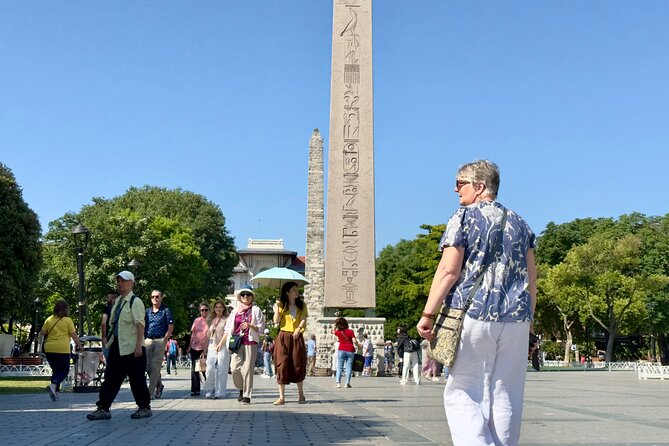
Sultanahmet District is the heart of the old city, tied to the Byzantine and Ottoman empires. This is the zone where a lot of your “I get it now” moments happen because so many layers sit close together.
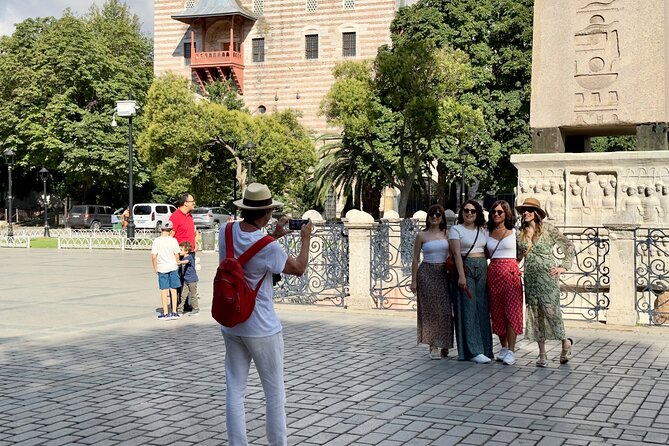
Along the way you also see the Walled Obelisk, also known as the Masonry Obelisk (Örme Dikilitaş). It is a Roman monument in obelisk form, positioned near the ancient chariot-racing track of Constantinople, close to other Hippodrome monuments.
This is a smart segment for photos, but it’s also a mini lesson in how Istanbul reused earlier materials and symbols. You’re not just seeing objects, you’re learning how the city remembered itself.
German Fountain and Hippodrome fragments: history written in stone
German Fountain is another “small stop, big context” moment. Constructed in 1898 as a gift from German Emperor Wilhelm II, it is one of Istanbul’s most beautiful monuments, and it helps connect the Ottoman-era core to later European interest in the city.
Then the tour turns to the Hippodrome area, where Constantinople’s circus-like sporting and social life once centered. Today it’s mostly fragments and a square, but the place is still packed with symbolism.
At the Hippodrome you also encounter pieces like the Egyptian Obelisk and other surviving columns. The Serpent Column, known as the Serpentine Column, Plataean Tripod, or Delphi Tripod, is especially striking because it was moved to Constantinople in 324 by Constantine the Great.
I like this part because it makes the city feel older than you expected. It also helps you picture daily life in an era where “public space” meant crowds and spectacle.
Blue Mosque: the most important interior moment, so time it well
Next is the Blue Mosque, officially the Sultan Ahmed Mosque. People know it for the bluish interior decoration, including the tilework that wraps the interior spaces.
This stop matters because it is often the one landmark interior visit people remember from this tour. In at least one experience, the tour description led some people to expect multiple interiors, but what ended up happening was a stronger focus on the Blue Mosque itself.
One important consideration: timing can affect your ability to enter, including during prayer times. If your goal is an inside visit with minimal hassle, I recommend going with flexible expectations and arriving prepared to wait a bit if the schedule requires it.
Also, the Hippodrome and Sultanahmet setting around the mosque help you understand the site’s location in daily old-city life. Even a short visit here can reset how you see Istanbul’s spiritual and civic landscape.
Sultanahmet Square and Tahtakale: a breather, then a shopping reality check
Sultanahmet Square is your built-in reset. It is a great place for photos of the Blue Mosque and Hagia Sophia, and it gives your legs a chance to recover before heading to the market zone.
Then you walk into Tahtakale, described as a shop-till-you-drop district in Eminönü. This segment is useful if you want more than sightseeing photos. It’s where the day turns into “Istanbul for real,” with everyday shopping energy and a range of price levels.
Just be smart about how you shop. If something looks like a pressure sales situation, you can politely slow down and step back. Your goal is to enjoy the city, not negotiate a forced impulse buy.
Spice Market at Misir Carsisi: your closing sensory hit
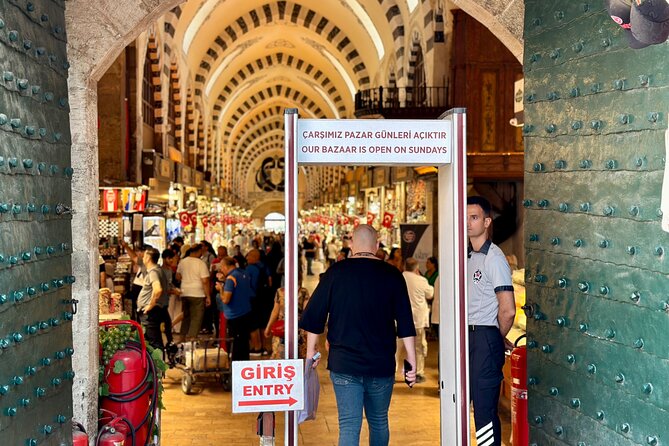
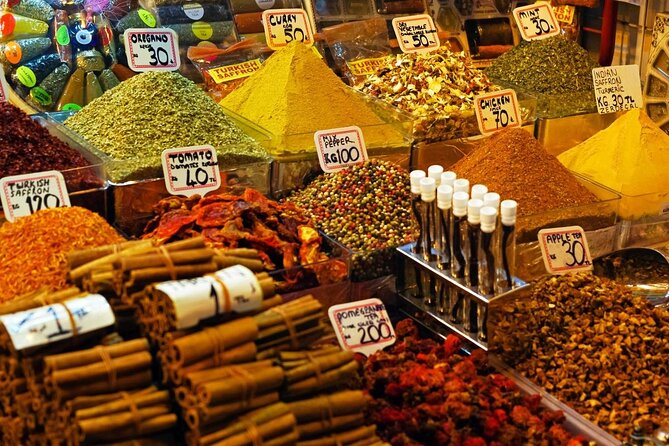
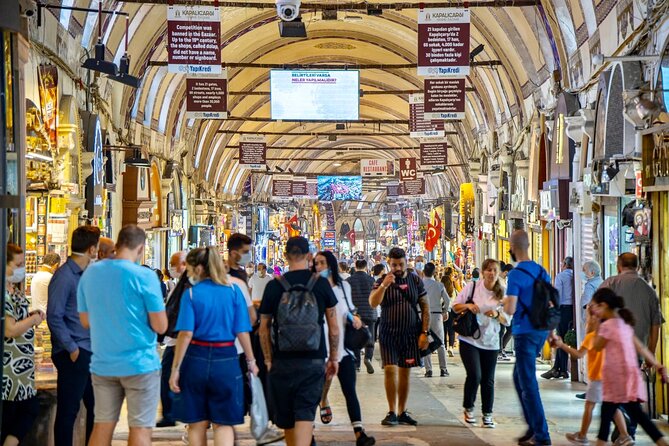
The tour ends at Misir Carsisi (Spice Market) in Eminönü, with roots dating back to 1660. This market is famous for color and smell, with stalls stacked with spices, Turkish delight (lokum), and other goods.
The best part is that you’re not rushing past it. The stop gives you time to actually see what’s on display, from dried herbs to nuts, dried fruits, honey, and even items like caviar and casks of specialty food.
I also like the “ending here” design. You finish at a place you’ll likely want to explore longer on your own. After the tour, you can keep walking, grab a snack, and connect it to the rest of your Istanbul plan.
Price and value: is $72.59 worth it?
At $72.59 per person for about 3 hours, the value depends on what you want from the day. You’re paying for an English speaking professional guide, a small-group feel, and a structured route that hits major sights plus secret streets, without you needing to plan the order.
Where the value can shift is admissions and interior expectations. The tour notes admission ticket free for each listed stop, but experiences show that interior entry may be limited, and Basilica Cistern in particular can involve an added cost if you want to go in.
If you want a clean first-day orientation, this price often feels fair. If you want a guaranteed, multi-museum interior day where every major site is fully entered, you may need to pair it with extra tickets or choose a different option.
Group size, pace, and walking level you should expect
This tour runs as a small-group experience, with a maximum of 15 travelers. Some people did the tour with just two guests, which can make the guide’s explanations feel even more personal.
The pace is short-stop focused, but it still adds up because it’s essentially a walking route through the old city core. Data says there is a moderate amount of walking, and the reality in practice is that it can feel like a lot if you expected mostly transit or very short strolls.
My practical advice: wear comfortable shoes and bring water. If you’re sensitive to heat, remember the day starts with Basilica Cistern, so you get one real indoor break early, then it becomes more outdoors after that.
Should you book this Istanbul small-group secret streets tour?
Book it if:
- You want an efficient intro to Sultanahmet’s big names, plus a couple of backstreet moments like Sogukcesme Sokak
- You like learning the “why” behind landmarks, not just taking photos
- You’re the type who enjoys markets at the end of the day, especially Spice Market
Skip it or consider alternatives if:
- You hate walking and would rather ride between sights
- Your top priority is long interior time at many monuments, since some experiences suggest interior entry may be limited to the Blue Mosque
- You want zero shopping moments, because craft and market areas naturally come with optional purchases
My bottom line: this is a solid short tour for getting your bearings fast and leaving with a clearer sense of how Byzantine and Ottoman Istanbul sit side by side. If you go in knowing it’s a walking orientation day with a strong Blue Mosque focus, you’re very likely to enjoy it.
FAQ
How long is the tour?
It’s listed as about 3 hours.
What does the tour cost, and what’s included?
The price is $72.59 per person. Included are an English speaking professional guide and a small-group or private tour option, depending on what you choose.
Is hotel pickup and drop-off included?
No. Hotel pickup and drop-off are not included.
Where do I meet, and where does the tour end?
You start at Foodie-ist Cafe and Brasserie Alemdar in Fatih, and you end at Egyptian Bazaar in Fatih, after visiting Spice Market in Eminönü.
Are admissions included for places like the Basilica Cistern, Hagia Sophia, and the Blue Mosque?
The tour notes admission ticket free for the listed stops, but some experiences report that only the Blue Mosque was entered and that Basilica Cistern could require an extra ticket if you want to go inside. It’s smart to confirm expectations when you book.
Is there a lot of walking?
The tour says there is a moderate amount of walking, and it is designed as a walking route through the historic center.
Can I cancel for a full refund?
Yes. Free cancellation is available if you cancel at least 24 hours in advance for a full refund.
Newest to reach the Istanbul table
- Istanbul Airport Transfers IST & SAW – Private Transfers
★ 4.0 · 20 reviews - Private Turkish Carpet Shopping at Historic Caravanserai
★ 5.0 · 20 reviews - Istanbul Topkapı Palace and Harem Guide Tour
★ 4.1 · 20 reviews - Private Istanbul Full Day 7 to 8 hours Guided Tours / Group opt.
★ 5.0 · 20 reviews - Istanbul Basilica Cistern Guided Tour | Skip-the-Line Access
★ 3.8 · 20 reviews - Çiğ Köfte Cooking Class/Night with Traditional Music At Home
★ 5.0 · 20 reviews
City Tours, side by side.
Private Turkish Bath, Massage, and Spa in Old City
Read our review →
City of Side: Jeep Safari & Green Lake Boat Trip with Lunch
Read our review →
Antalya/Kemer: Old City, Waterfalls, Olympos Cable Car, Boat
Read our review →
Full Day Cappadocia Tour( Red Tour + Underground City )
Read our review →
City of Side: Green Canyon Jeep Tour, Boat Trip & Waterfall
Read our review →
City of Side: Rafting, Zipline, Jeep, Buggy and Quad Combo
Read our review →
Ancient Perge, Aspendos Theater & City of Side Tour
Read our review →
Green Cappadocia Underground City and Valleys Tour. Lunch incl.
Read our review →Lists this tour turns up in