
Reviewed · COFFEE EXPERIENCES
Istanbul: Turkish Coffee Brewing on Sand + Gift Set
Sand turns Turkish coffee into a ritual. In a bright atelier near Galataport and the Galata Tower, you hand-grind beans, brew foam on heated sand, and end with an Ottoman-style fortune reading.
I love the hands-on control, from choosing the beans to managing the foam as it blooms on sand. I also love the take-home gift set, including a copper cezve, cup, beans, and a recipe booklet you can use later.
One possible drawback: if you want a quick caffeine stop, the careful, unhurried pace of this 90-minute ritual might feel like too much prep.
In This Review
- Key things you will notice in this sand-brew workshop
- Where sand-brew Turkish coffee actually happens in Istanbul
- Finding the studio at Arada Beyrut and Lavander Cafe
- The 90-minute flow: grind, brew on sand, and control the foam
- Why UNESCO status comes up, and what it changes about the lesson
- Traditional coffee plus menengiç: what you should expect to taste
- The fortune-telling ceremony: symbols in the grounds
- Learning with real people: the instructors and their teaching style
- Snacks, Turkish delights, and why they matter in this kind of class
- The gift set value: what you keep, and why it changes the payoff
- Price and value: is $33 fair for sand brewing plus a cezve?
- Who should book this workshop, and who might not love it
- Final verdict: should you book the Istanbul sand Turkish coffee + gift set?
- FAQ
- How long is the Turkish coffee brewing workshop?
- What is the price per person?
- Do I brew the coffee myself or just watch?
- What coffee types are included?
- Is the fortune reading ceremony included?
- What gift set do I take home?
- What equipment is included in the experience?
- What language will the instructor speak?
- Where is the meeting point?
- Is free cancellation and pay later available?
Key things you will notice in this sand-brew workshop
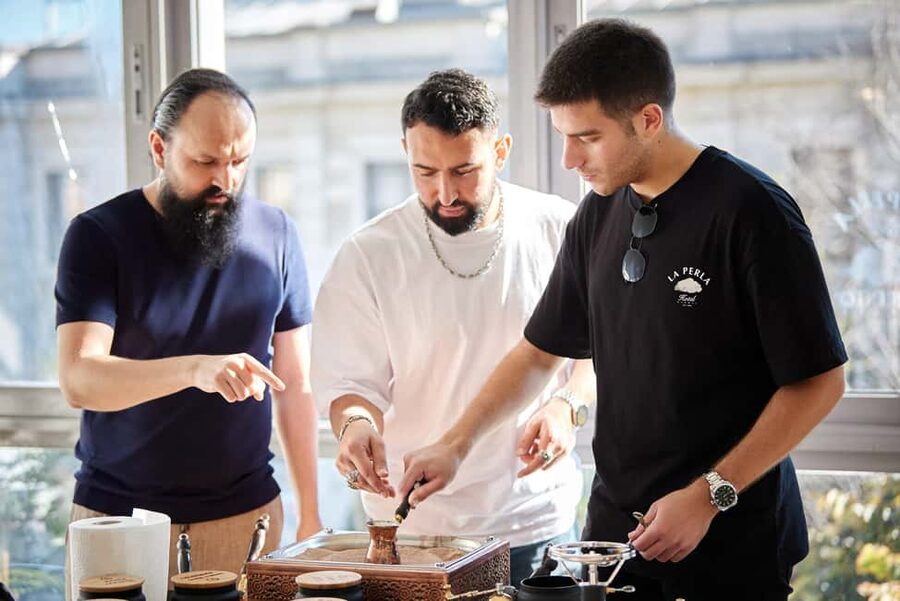
- Sand-brewing with foam control: you learn the key steps, not just watch them
- Hand-grinding your own beans: fresh grind is part of the ritual
- UNESCO-linked coffee culture: you get the story behind Turkish coffee traditions
- Menengiç coffee tasting: a caffeine-free, nutty Anatolian variation
- Fortune reading ceremony: patterns in your grounds become a shared storytelling moment
- Gift set included: copper cezve, cup, beans, and a booklet to recreate it later
Where sand-brew Turkish coffee actually happens in Istanbul
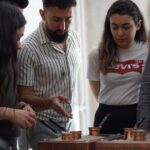
This workshop takes place in a spacious studio between Galataport and Galata Tower, in the Galata area. The vibe is calm and roomy, with a high ceiling, so it feels less like a class and more like a creative little atelier. You can also see other workshop activity around you, which keeps the whole experience lively without turning it into a loud show.
For me, the location matters because it puts you near the classic Istanbul walk-and-snack zone. You are close to the sights, but you also get a peaceful break from the main tourist crush.
What Istanbul regulars wave over next
Finding the studio at Arada Beyrut and Lavander Cafe
Your meeting point is easy to pin down once you know the landmarks. The studio is diagonally to the right of Arada Beyrut Cafe and directly across from Lavander Cafe. If you are walking from the Galataport side, I suggest using the cafes as your last check before you commit to the turn. This keeps you from circling the block with your coffee expectations rising and your feet getting cranky.
The 90-minute flow: grind, brew on sand, and control the foam
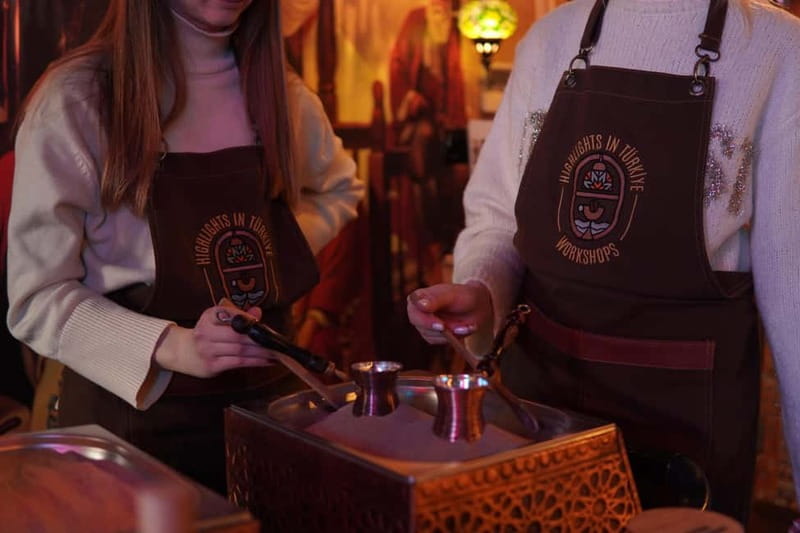
This is not a quick espresso-and-go experience. You will spend the full 90 minutes actively doing the steps, with guidance in Turkish, English, or Russian, depending on the instructor.
Here is what the workshop flow feels like in practice:
First, you select aromatic Turkish coffee beans. Then you hand-grind them using a traditional hand-operated grinder. That moment matters more than you might expect. When you grind yourself, you pay attention to the texture and the aroma, and suddenly the final cup makes more sense.
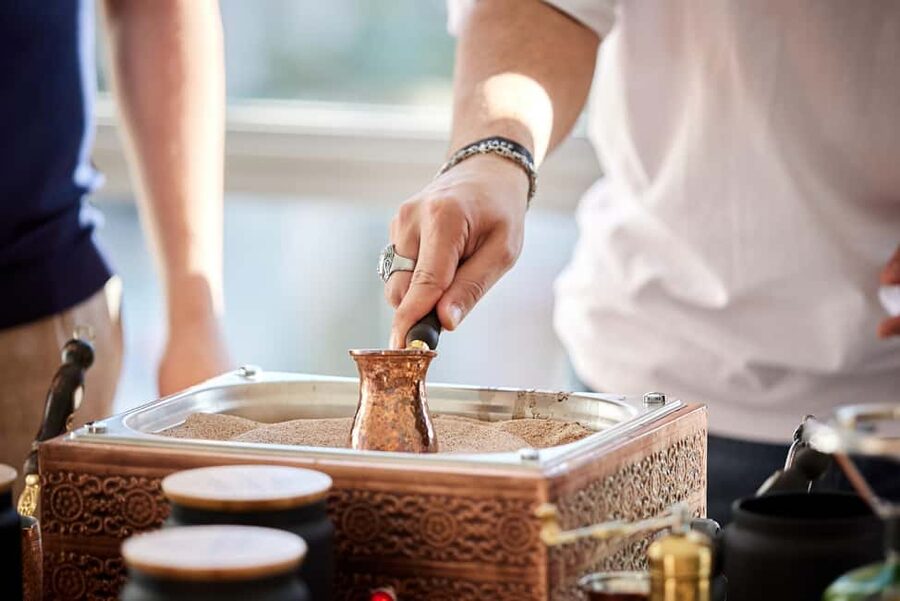
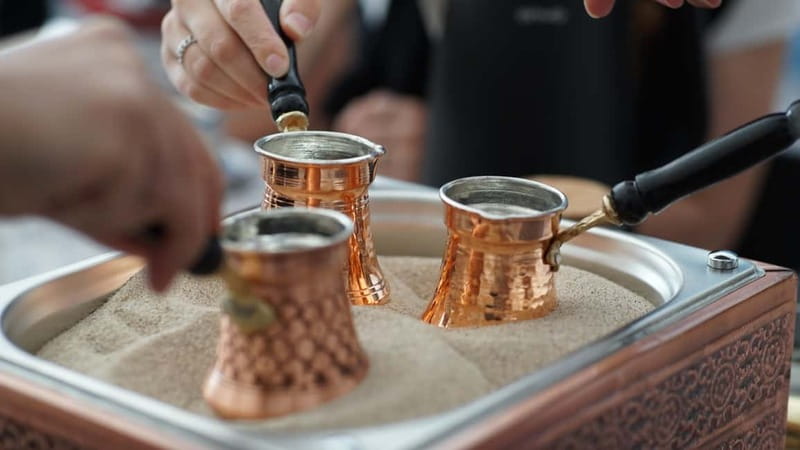
Next comes the signature step: brewing on heated sand using the roasting pan with sand. You do not just place the pot and hope for the best. You learn the mechanics of getting the cup right, especially foam control, which is one of the biggest parts of Turkish coffee style. Your instructor will guide you, and you get time to practice the process instead of rushing through it.
Finally, you taste what you made. You also get to sample traditional coffee and menengiç coffee in the ritual atmosphere, with snacks and Turkish delights served alongside.
Why UNESCO status comes up, and what it changes about the lesson

The workshop connects Turkish coffee to its UNESCO Intangible Cultural Heritage status. That could sound like a trivia line, but in this setting it works as a framework for how you understand the ritual.
Instead of treating coffee as just caffeine, you start seeing it as part of daily social life and shared customs. You also learn about Ottoman fortune-telling traditions, which is why the ceremony at the end is more than a gimmick. The goal is to help you understand why people took their time, watched the brew, and used what they saw in the cup to spark conversation.
If you like cultural context that stays practical, this part hits well. You leave with a clearer sense of what makes Turkish coffee different from other brew styles, beyond taste.
Still on the table in Istanbul:
- Istanbul: Bosphorus Dinner Cruise & Show with Private Table★ 4.8 · 62,058 reviews
- Istanbul: Daytime or Sunset Sightseeing Cruise & Audio Guide★ 4.8 · 14,430 reviews
- Istanbul: Bosphorus Dinner Cruise & Turkish Night Show★ 4.8 · 12,954 reviews
Traditional coffee plus menengiç: what you should expect to taste

You are not limited to one cup. The workshop includes tasting traditional Turkish coffee and menengiç coffee.
Menengiç is described here as a caffeine-free, nutty variation cherished across Anatolia for generations. That means it gives you a second flavor profile without the typical caffeine expectation. If you usually drink coffee to feel wired, menengiç is a nice change, because you can focus on texture and aroma without feeling like you are being pushed into full caffeine mode.
Practically, this also makes the session more interesting. You do not just learn one recipe. You get exposure to a regional alternative that you can actually look for later, depending on where you shop.
The fortune-telling ceremony: symbols in the grounds
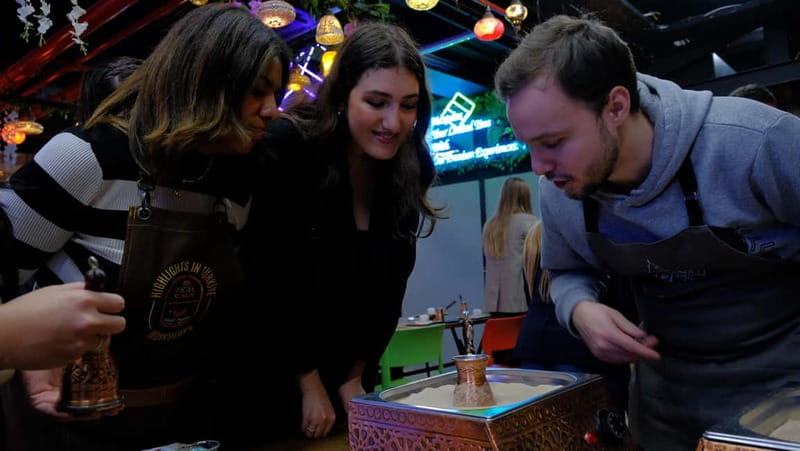
This is one of the most memorable parts of the workshop. You participate in an Ottoman-style fortune reading ceremony where you close your cup, watch the grounds form patterns, and decode symbols together.
The experience is designed to feel like a shared ritual, not a solitary guessing game. Your instructor helps you interpret what you see in the grounds, and the ceremony turns coffee drinking into a conversation. It is also a fun way to slow down during the session, because you are paying attention at the exact moment you would normally just start sipping.
If you are the type who enjoys playful tradition, this is the reason many people walk out smiling. It also gives the class a clear ending, which helps the whole 90 minutes feel complete instead of ending abruptly after brewing.
Learning with real people: the instructors and their teaching style
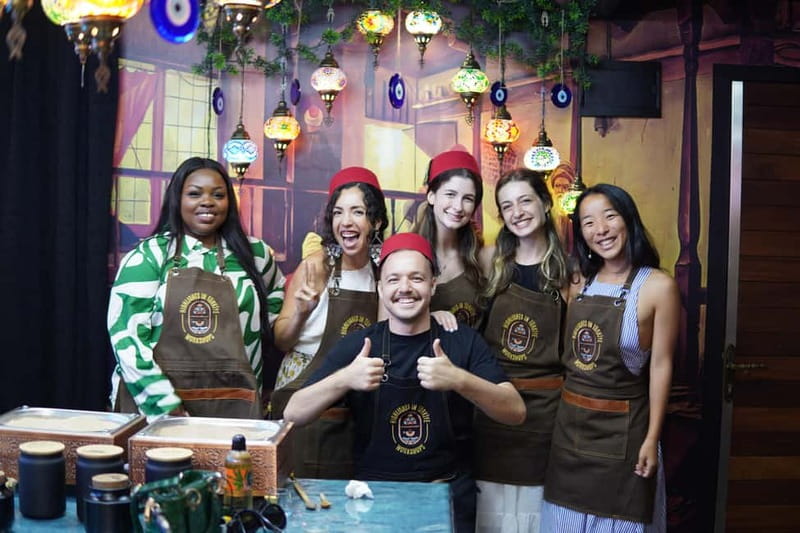
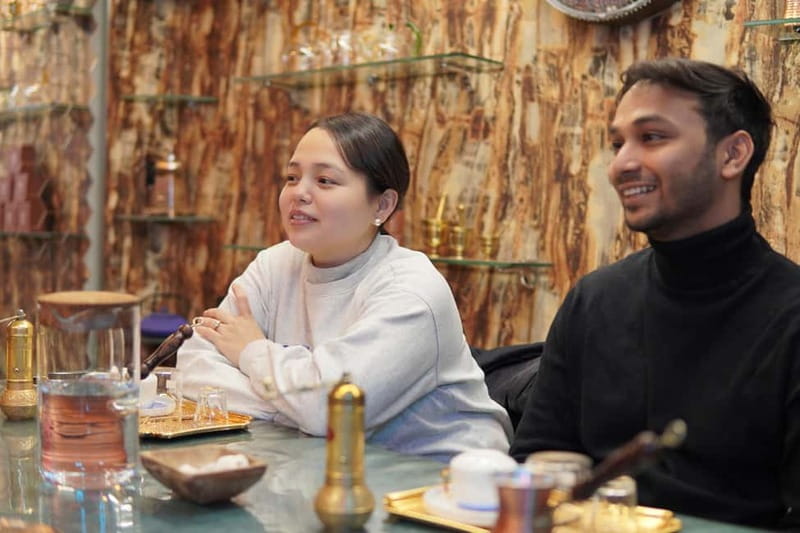
You might be guided by instructors such as Esin, Zeynep, Rinad, Ilham, Rostum, Ali, or Daryn, among others. Across the sessions, the pattern is consistent: the instruction style feels friendly, interactive, and willing to answer questions while you are brewing.
Several instructors are described as making people feel at home, including in situations where English is not the only language involved. If you are traveling with family or friends who need extra support, this kind of patient teaching style can make the difference between feeling lost and actually enjoying the process.
The languages offered, English, Turkish, and Russian, also help. Even if your Turkish is limited, you still have a pathway to understand the steps and the cultural storytelling.
Snacks, Turkish delights, and why they matter in this kind of class
Turkish coffee is a slow ritual, so the workshop includes Turkish delights and snacks to keep you comfortable while you wait for foam and patterns. It is not just filler. Food helps you settle into the pace, and it also makes the studio feel like a real social setting.
This is where the “spacious atelier” detail pays off again. In a cramped space, a 90-minute hands-on ritual can feel tiring. Here, you get the feeling that people are meant to linger.
The gift set value: what you keep, and why it changes the payoff
At the end, you take home an exclusive gift set. You receive a traditional high-quality coffee pot, a cup, premium coffee beans, and a special Turkish coffee booklet to recreate the ritual.
This is where the workshop becomes more than a one-time experience. Many food classes teach you a technique, but you still need the equipment to do it at home. Here, the takeaway includes the key tool, the copper cezve, plus enough beans and guidance to try again without extra shopping.
I also like that the booklet focuses on history and brewing techniques. You are not just collecting an object. You are getting a simple reference you can use later, whether you want to impress a friend or just enjoy coffee at a slower tempo in your own kitchen.
Price and value: is $33 fair for sand brewing plus a cezve?
$33 per person for 90 minutes sounds straightforward, but the real question is whether you get enough included to justify it.
In this case, the value is boosted by several factors:
- You get full hands-on instruction for grinding and brewing on sand
- You taste traditional coffee and menengiç coffee
- You join a fortune-telling ceremony
- You receive snacks and Turkish delights
- You take home a gift set, including a copper cezve, cup, beans, and a booklet
If you compare this to paying only for a drink somewhere, it is a different category. You are paying for a guided ritual plus equipment and take-home supplies. That turns the cost into something more tangible than a standard café stop.
Who should book this workshop, and who might not love it
This experience is a great match if you:
- like hands-on food and drink activities
- want more than a tasting, you want the process explained
- enjoy cultural traditions like Ottoman storytelling and symbols
- want a take-home gift that is practical, not just a souvenir
It may not be your best choice if you:
- want the fastest possible coffee fix
- prefer highly modern, tech-driven activities
- dislike ritual formats where you slow down and follow steps carefully
If you are traveling with a coffee lover or a culture lover, this one often works because it blends both without feeling like one side is an afterthought.
Final verdict: should you book the Istanbul sand Turkish coffee + gift set?
I think this is worth booking if you want an authentic Istanbul-style coffee ritual that you can actually repeat later. The best part is the combination: grind and brew yourself, learn the UNESCO-linked cultural context, taste both traditional coffee and menengiç, then end with a fortune reading that turns the last minutes into something memorable.
If you are on a tight schedule, treat this like a planned appointment, not a wander-in stop. Reserve your 90 minutes with no rush mindset, and you will likely get the most out of it.
FAQ
How long is the Turkish coffee brewing workshop?
It lasts 90 minutes.
What is the price per person?
The price is $33 per person.
Do I brew the coffee myself or just watch?
You take control of the steps, including selecting beans, grinding them by hand, and brewing on heated sand with foam control guidance.
What coffee types are included?
You taste traditional Turkish coffee and menengiç coffee.
Is the fortune reading ceremony included?
Yes, there is an Ottoman-style fortune reading ceremony where symbols in your coffee grounds are decoded together.
What gift set do I take home?
You take home a traditional coffee pot (cezve), a cup, a premium coffee package (beans), and a Turkish coffee booklet.
What equipment is included in the experience?
You use a coffee roasting pan with sand and a hand-operated coffee grinder as part of the workshop.
What language will the instructor speak?
The instructor speaks English, Turkish, or Russian.
Where is the meeting point?
The studio is diagonally to the right of Arada Beyrut Cafe and directly across from Lavander Cafe.
Is free cancellation and pay later available?
Free cancellation is available up to 24 hours in advance for a full refund, and you can reserve now and pay later.
Newest to reach the Istanbul table
- Istanbul Airport Transfers IST & SAW – Private Transfers
★ 4.0 · 20 reviews - Private Turkish Carpet Shopping at Historic Caravanserai
★ 5.0 · 20 reviews - Private Istanbul Full Day 7 to 8 hours Guided Tours / Group opt.
★ 5.0 · 20 reviews - Istanbul Topkapı Palace and Harem Guide Tour
★ 4.1 · 20 reviews - Istanbul Basilica Cistern Guided Tour | Skip-the-Line Access
★ 3.8 · 20 reviews - Çiğ Köfte Cooking Class/Night with Traditional Music At Home
★ 5.0 · 20 reviews
Coffee Experiences, side by side.
Turkish Coffee Making and Fortune Telling Workshop
Read our review →
Turkish Coffee Making and Fortune Telling Workshop
Read our review →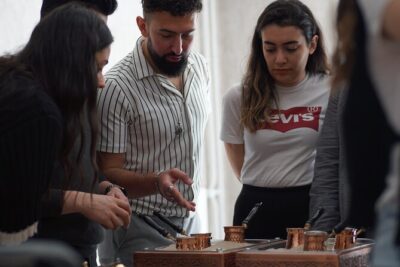
Turkish Coffee on Sand Workshop: Fortune Telling & Gift Set
Read our review →
Istanbul Highlights: Guided Tour with Turkish Tea or Coffee
Read our review →
Istanbul Turkish Coffee Making & Fortune Telling Workshop
Read our review →
Sand Brewed Turkish Coffee Workshop in Old Town
Read our review →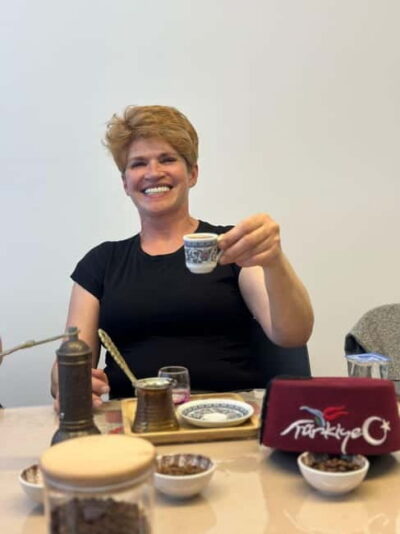
Turkish Coffee Workshop + Fortune Telling + Gift Set
Read our review →Lists this tour turns up in