

Reviewed · ANCIENT EPHESUS TOURS
Tailor-Made Private Ephesus Tour with Local Experiences
A hill, a basilica, and Roman marble, all in one day. This private Ephesus experience from Kusadasi strings together the big-name sights plus quieter stops, with an A/C Mercedes van and a local guide who keeps your pace realistic.
I especially like the private format, because it lets you slow down for photos, linger where it matters, and skip what does not. I also love the guaranteed skip-the-line setup paired with a licensed English guide, which saves energy on a day that is already packed.
One thing to consider: this is a long outing with extra entrance fees on top of the tour price, plus walking over old stone surfaces and some steep sections.
In This Review
- Key highlights you’ll care about
- How The Kusadasi Private Ephesus Day Works From Start to Finish
- Virgin Mary House: Roman Stones, Mountain Air, and a Real Workout
- Ephesus Ancient City: Where Seven Wonders Meet Roman Scale
- The Main Roman Loop: State Agora, Odeion, and Emperor Temples
- Terrace Houses: Roman Mosaics, Wealth, and Real Family Space
- Library of Celsus and the Great Theatre: The Photo Stops That Also Explain Power
- Basilica of St John: From Traditional Burial to Justinian-Era Church
- Temple of Artemis and Öküz Mehmet Pasa Kervansaray: Ancient Wonder to Ottoman Trade
- Kusadasi Bazaar Time and the Lunch Stop With a Local Craft Connection
- Price and Tickets: What the $75 Covers, and What You Pay Separately
- Practical Tips to Keep the Day Comfortable and Worth It
- Should You Book This Private Ephesus Tour?
- FAQ
- What is the duration of the tour?
- What is included in the tour price?
- Are entrance fees included?
- How does pickup work for cruise passengers?
- Is this a private tour?
- What languages is the tour offered in?
- Can I cancel for a full refund?
Key highlights you’ll care about
- Skip-the-line tickets plus a mobile ticket, so you spend less time stuck waiting.
- A/C Mercedes Vito pickup and drop-off, a big deal on a cruise day.
- Virgin Mary House on Bulbul Mountain, a calm contrast to the crowds in Ephesus.
- Ephesus basics done right, from State Agora to the Great Theatre and Library of Celsus.
- Real local lunch included, often tied to a carpet weaving school demonstration.
- Flexible pacing with a private guide, so you are not forced into a speed-run.
How The Kusadasi Private Ephesus Day Works From Start to Finish
This is a private tour booked for your group only, so your guide can set the rhythm instead of managing a big bus. The day runs about 6 to 8 hours, so plan it like a true excursion, not a quick “taste test.”
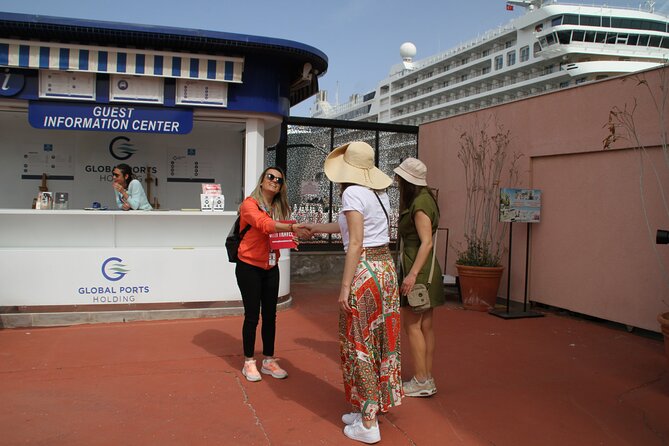
For cruise stop days, pickup is handled at the exit gate of the Immigration Terminal at the Kusadasi Cruise Port, where you meet the representative holding an OTTI Travel sign. If you are staying in a Kusadasi hotel, you meet the guide via the hotel reception, and for İzmir Airport (ADB) pickup, it is the exit gate of the domestic terminal with the OTTI Travel sign.
The vehicle is a brand new A/C luxury Mercedes Vito with a private driver. That matters because the long drive plus multiple stops can wipe people out fast, and this keeps the “getting there” part comfortable.
More of Ephesus underfoot, column by column:

Virgin Mary House: Roman Stones, Mountain Air, and a Real Workout
The House of the Virgin Mary sits on top of the Bulbul Mountain, about 9 km ahead of Ephesus. You walk into a shrine that feels removed from the noise, surrounded by green, which is exactly why people love this stop as a palate cleanser after the ancient-city crowds.
This is a typical Roman stone house, built entirely of stone. A church was later built in the 4th century AD, linking her house and grave, and the site includes spaces with different religious traditions, including a section associated with Muslim worship.
Expect about 45 minutes here, and note the admission fee is not included (listed as €18 per person). Also, plan for a bit of climbing because the location is up on the mountain. Even if you are fine with walking, bring shoes with grip and be ready for uneven ground.
A practical note from real-world experience: if anyone in your party has hip or mobility limits, ask your guide and driver about minimizing long uphill segments. The service on this tour is set up to handle pacing changes, and you will feel it on this particular stop.
Ephesus Ancient City: Where Seven Wonders Meet Roman Scale
Ephesus is the big draw, and the main ancient city is designed so visitors can access the ruins while protecting what is left. It started as a patchwork of civilizations, and the story moves fast: Greeks built the Artemesium in 356 BC, one of the Seven Wonders of the ancient world, and later the city grew into a major Roman hub.
In the 2nd century BC, Ephesus became the fourth largest city in the eastern Roman Empire, and it is famous for the Artemision Temple, the Library of Celsus, and an ancient medical education tradition. That is why your guide’s job here is more than explaining stones, it is helping you connect what you are seeing to what power and daily life looked like.
You get around 1 hour 30 minutes in the Ephesus Ancient City area, and the admission fee is not included (listed as €40 per person). This stop is where skip-the-line helps most, because waiting in the heat is not fun, and crowds can be intense.
The Main Roman Loop: State Agora, Odeion, and Emperor Temples
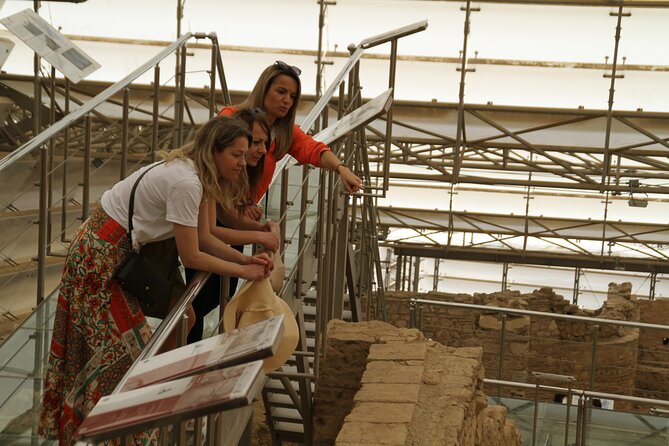
After the broad entrance into Ephesus, the tour smartly moves through the civic and political “muscle” of the city. It starts with the State Agora, which sits on the southern side of the Basilica area and was built in the Roman period in the 1st century BC.
Here, the Agora was not for commerce in the way many people expect. It functioned as a serious meeting space for governmental discussions. During excavation, graves from the 7th to 6th centuries BC turned up in the northeast corner, along with a stone-paved road and an archaic terra cotta sarcophagus, which gives the area an unexpectedly layered feel. You also learn about a water reservoir tied to the city’s water system, with the Pollio Aqueduct remnants visible farther away.
Next is the Odeion, shaped like a small theatre with a stage building and seating. It had a dual life: it was used as a Bouleuterion for Senate-style meetings and also as an Odeum, a concert hall for performances. Construction dates to the 2nd century AD, and the building held about 1500 spectators.
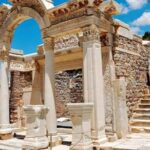
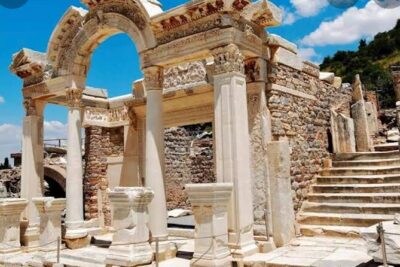
Then you hit the emperor-focused temple section along Curetes Street, including the Temple of Hadrian. This one is praised for being among the best-preserved structures on the street, with four Corinthian columns supporting a curved arch. You also see relief elements, including Tyche and the pedestal bases tied to later emperors.
The tour rounds out the emperor theme at the Temple of Domitian, the first structure in Ephesus known to be dedicated to an emperor. It sits on a high terrace with vaulted foundations and has a pro-style layout with rows of columns described across both short and long sides. The northern side once had visible stairs, and you learn how the city earned permission for emperor worship, marked by the honor of being neocoros.
It ends this loop at Hercules Gate, located toward the end of Curetes Street. Only parts remain today, but the layout matters because the gate narrowed access and helped turn the street into a pedestrian zone by the 4th century.
Most of these stops fall under the main Ephesus admission concept, with the tour guiding you between small monuments efficiently. The tradeoff is time: each stop is short, so you want your guide’s explanations to do the heavy lifting.
What Kusadasi regulars wave over next
- For Ship Guests:BEST SELLER EPHESUS PRIVATE TOUR & On Time Return★ 5.0 · 2,029 reviews
- ALL INCLUDED: Ephesus Ruins, Mary’s House Tour incl ENTRY TICKETS★ 5.0 · 1,670 reviews
- Ephesus Temple of Artemis and House of Mary Private Half Day Tour★ 5.0 · 1,573 reviews
Terrace Houses: Roman Mosaics, Wealth, and Real Family Space
One of the best reasons to do this tour is that it does not only spotlight temples and theatres. The Ephesus Terrace Houses let you see what wealthy Roman households looked like, and that feels refreshingly human compared to massive public buildings.
These homes are on the hill opposite the Hadrian Temple, often described as the houses of wealthy Romans. They were built on a street-grid plan with roads intersecting at right angles, and the complex includes six residential units across three terraces. The oldest building dates to the 1st century BC, and the residences continued in use until about the 7th century AD.
What you get in practice is a walk through layers of domestic space. The houses have protective roofing, with interiors showing consolidated mosaics and frescoes. Two houses are open to the public as a museum, which helps you avoid feeling like you are just looking at broken walls.
Time here is about 30 minutes, and the Terrace Houses admission fee is not included (listed as €15 per person). This is a smart stop if you like to picture daily life: where people ate, relaxed, and lived in a city that also hosted empire-scale ceremonies.
Library of Celsus and the Great Theatre: The Photo Stops That Also Explain Power
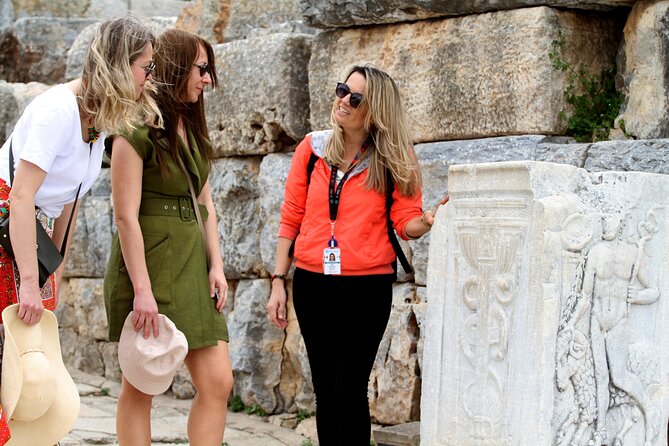
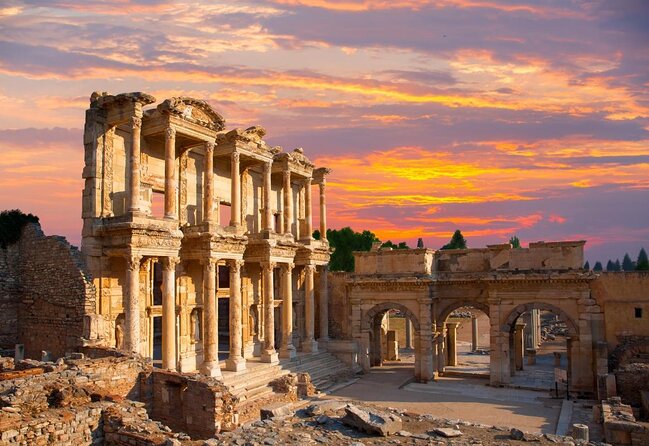
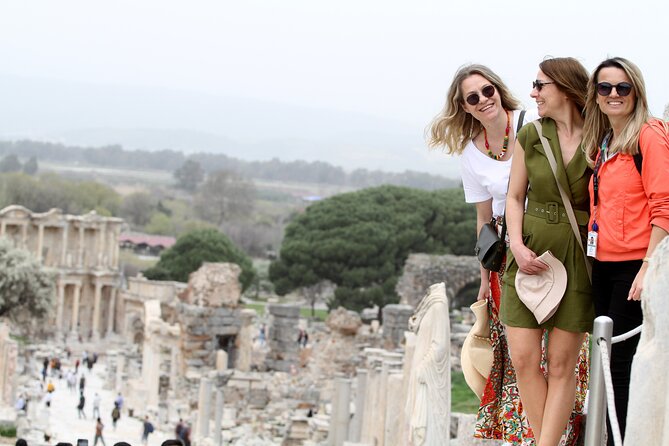
If you only remember two icons from Ephesus, make it the Library of Celsus and the Great Theatre. The Library of Celsus is built in 117 AD and functions as a monumental tomb for Gaius Julius Celsus Polemaeanus, built by his son. The tomb’s placement and design are part of the meaning, including an Athena statue over the grave and storage niches for scrolls.
You learn that scroll storage was built to handle temperature and humidity, with double walls behind the bookcases. The library could hold more than 12,000 scrolls, and it is described as the third richest library in ancient times after Alexandra and Pergamum. Time here is about 15 minutes, and it is included within the Ephesus experience once you have the right main ticket.
Then you step into the Ephesus Great Theatre, the most magnificent theatre structure in the ancient city. Construction started in the Hellenistic period in the 3rd century BC, then the Roman period enlarged it into the style you see today.
This theatre held up to 25,000 seats, with 66 rows in the cavea, divided into sections by walkways called diazoma. In the lower section, you find mentions of restored marble pieces and the emperor’s box. It was used for concerts and plays, but also for religious, political, and philosophical discussions and even gladiator and animal fights.
Time is about 15 minutes at the theatre, which is just enough to take in the scale. The guide’s job is crucial here because the theatre’s uses are not obvious unless you know what was happening in a public Roman space.
Basilica of St John: From Traditional Burial to Justinian-Era Church
The Basilica of St. John is timed at about 30 minutes. The setting is linked to tradition, saying the evangelist St. John spent his last years in the Ephesus region and was buried on the southern slope of Ayosolug Hill.
After his death, a small chapel was built over the grave in the 4th century, and later the church was expanded into a basilica during the reign of Emperor Justinian (527 to 565 AD). The tour also ties the Christian story to the broader Roman world, referencing persecutions in the early first centuries and the tradition that John wrote his Gospel in Ephesus and Revelation on Patmos in 96 AD.
The admission fee is not included here, listed as €6 per person. This is one of the more reflective stops on the day, and it pairs well with the Virgin Mary House stop earlier, so you can feel the Christian thread across two different settings.
Temple of Artemis and Öküz Mehmet Pasa Kervansaray: Ancient Wonder to Ottoman Trade
The tour includes a stop at the Temple of Artemis, timed at about 25 minutes. This is the Seven Wonders connection, but here is the honest reality you will see: today, most of what remains is ruins of foundations, since the site became swamp-like over the centuries.
You can also learn that the finest marble pieces and sculptures have been preserved in major collections, with the British Museum called out as a place where especially important elements are displayed. Admission here is listed as free, which makes this stop a low-cost addition to round out the “world wonder” theme.
Then you shift to Ottoman-era trade with Okuz Mehmet Pasa KervansarayI, a caravanserai commissioned by Öküz Mehmed Pasha. Built between 1615 and 1618, it was designed like a fortress and used as a customshouse, which tells you how power and commerce worked together at the time.
This stop is about 10 minutes, and admission is listed as free. If you like contrasts, this is a good one: you go from marble wonder and imperial cities to a working trade stop that served travelers and goods in the Ottoman era.
Kusadasi Bazaar Time and the Lunch Stop With a Local Craft Connection
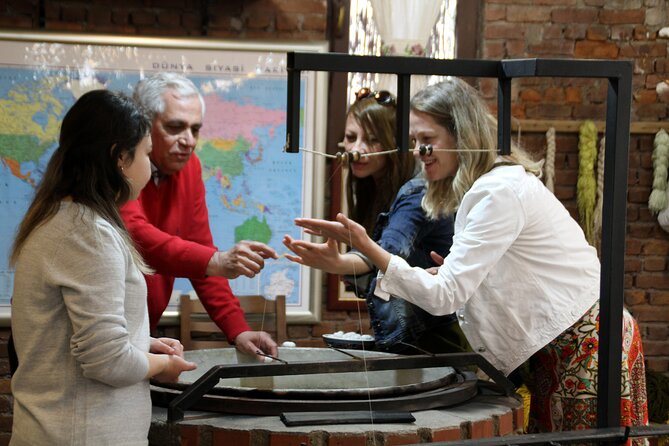
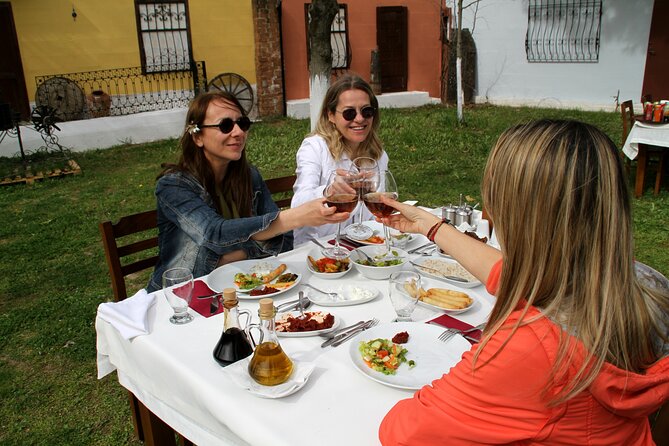
Lunch is included, and the description is straightforward: a delicious local lunch. In practice, the tour often pairs that meal with a setting connected to a carpet weaving school where you may see a short demonstration.
That means two things. First, it can be a nice cultural break from archaeology and temple talk. Second, there might be a sales angle around rugs, even if it stays polite. A helpful mindset: treat it as a chance to learn how craft work is made, not as a must-buy moment. If you do want to shop, give yourself time, compare options, and set a budget before you start talking numbers.
After lunch, you get about 1 hour of free time at the Kusadasi Bazaar. This is a classic market mix: Turkish goods, leather products, sweets, small souvenirs, and plenty of trend-driven items like watches and clothing. The best way to enjoy it is with curiosity and a calculator in your head, since pricing varies widely.
Price and Tickets: What the $75 Covers, and What You Pay Separately
The base price is listed as $75.00 per person, and it covers more than just the drive. You get a licensed English speaking tour guide, pickup and drop-off for cruise guests, guaranteed skip-the-line tickets, the A/C Mercedes Vito with a private driver, and lunch.
That is real value on a day like this. Ephesus can be exhausting, and having the guide handle entry timing and routing means you lose less time to admin.
But the big add-on is admissions. Based on the listed fees, if you do the core religious and archaeological stops shown in this itinerary, you should expect to pay separately for:
- Ephesus Ancient City: €40 per person
- House of the Virgin Mary: €18 per person
- Terrace Houses: €15 per person
- St John Basilica: €6 per person
- Temple of Artemis: free
- Okuz Mehmet Pasa Kervansaray: free
The total of the paid entrance items above alone is €79 per person, not counting any optional add-ons. There is also an optional Visiting Siringe Village listed as $50 per booking, which is not included.
So the decision is simple math plus preferences. If you want most of the major sites and you appreciate skip-the-line and a private pace, the tour format makes sense. If you only want one or two stops, a more minimal self-guided approach might cost less.
Practical Tips to Keep the Day Comfortable and Worth It
This tour hits stairs, sun, and old stone. You’ll enjoy it more if you plan for the physical side from the start.
Wear non-slip shoes. The marble pavers in Ephesus can feel slick, especially when they have dust or when people crowd together. Bring a hat and sunscreen because you spend time outdoors across multiple monuments.
Bring a small amount of cash or a card you trust for entrances, since several key sites have separate admission fees. Also, keep a light layer, since the vehicle is A/C and temperatures can swing.
If you care about pace, ask your guide to build in extra time for the stops you personally prioritize, such as the Terrace Houses or the Celsus Library. A private guide can shorten or extend sections so you do not feel like you are sprinting.
Finally, if you see a craft demonstration at the lunch setting and you do not want to shop, communicate that gently. The tone you want is learning first, buying only if it genuinely fits your budget.
Should You Book This Private Ephesus Tour?
I think this is a smart booking if you want a guided, private day that covers Ephesus plus the Virgin Mary House and St John Basilica without turning the whole thing into an exhausting queue-fest. The included skip-the-line setup and the comfortable A/C Mercedes van are exactly what help a long day feel manageable.
I would skip or scale down if you hate extra walking, dislike adding on entrance fees during the day, or only care about a single site. This tour is built to see the main highlights plus a few human-scale stops like the Terrace Houses.
If you want the classic Ephesus icons, appreciate context, and prefer a calm pace guided by someone who can respond in real time, this one is worth it.
FAQ
What is the duration of the tour?
The tour is listed as lasting about 6 to 8 hours.
What is included in the tour price?
Included are a professional licensed English speaking tour guide, pickup and drop-off for cruise guests, guaranteed skip-the-line tickets, a brand new A/C luxury Mercedes Vito with private driver, and a delicious local lunch.
Are entrance fees included?
No. Entrance fees are listed as not included, including Ephesus Ancient City (€40), House of the Virgin Mary (€18), Terrace Houses (€15), and St John Basilica (€6). Temple of Artemis and the Kervansaray are listed as free.
How does pickup work for cruise passengers?
You meet at the exit gate of the Immigration Terminal of the Kusadasi Cruise Port, with a board showing the OTTI Travel sign.
Is this a private tour?
Yes. It is listed as a private tour/activity, meaning only your group participates.
What languages is the tour offered in?
The tour is offered in English.
Can I cancel for a full refund?
Yes. You can cancel up to 24 hours in advance for a full refund.
Newest to reach the Kusadasi table
- Private Ephesus skip line Tour Lunch inc only for cruisers
★ 5.0 · 20 reviews - Kusadasi Private tour from Cruise Port
★ 4.5 · 20 reviews - Private Ephesus Tour From Kusadasi Port – SKIP THE LINE TICKETS
★ 5.0 · 20 reviews - Skip the Line: Ephesus Tour For Cruise Guest
★ 5.0 · 20 reviews - From Kusadasi Port: Ephesus Full-Day Private Trip
★ 4.9 · 20 reviews - Mini Group Skip-The-Line: Best of Ephesus Tour From Kusadasi Port
★ 5.0 · 21 reviews
Ancient Ephesus Tours, side by side.
FOR CRUISERS: Skip The Lines PRIVATE EPHESUS TOUR &On Time Return
Read our review →
Top Choice For Cruisers: Ephesus, Mary’s House WITH TICKETS+LUNCH
Read our review →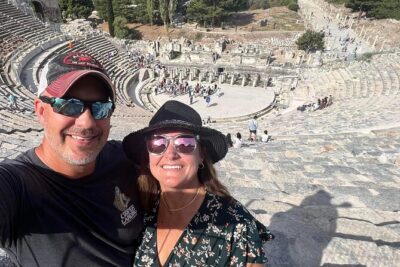
PRIVATE EPHESUS TOUR FOR CRUISERS: On-time Return and Skip-Line
Read our review →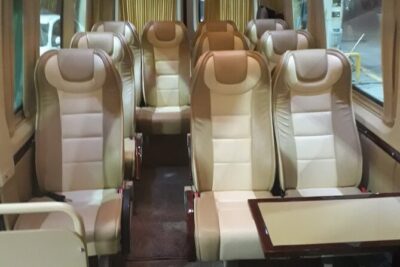
PRIVATE NO HIDDEN FEES Ephesus, Mary’s House Guided Tour /GRP OPT
Read our review →
For Ship Guests:BEST SELLER EPHESUS PRIVATE TOUR & On Time Return
Read our review →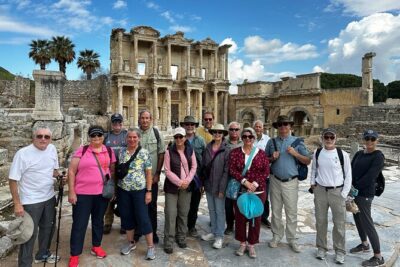
ALL INCLUDED: Ephesus Ruins, Mary’s House Tour incl ENTRY TICKETS
Read our review →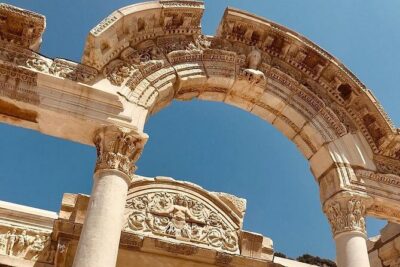
Ephesus Temple of Artemis and House of Mary Private Half Day Tour
Read our review →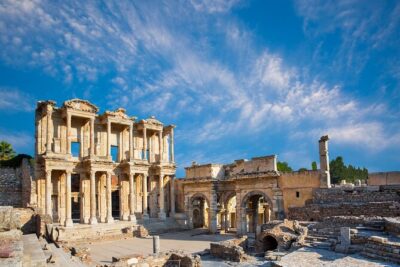
PRIVATE TOUR FOR CRUISERS: Mary’s House (Meryemana) and Ephesus
Read our review →Lists this tour turns up in