
Reviewed · HAGIA SOPHIA & BLUE MOSQUE VISITS
Istanbul: Whirling Dervish Ceremony next to Hagia Sophia
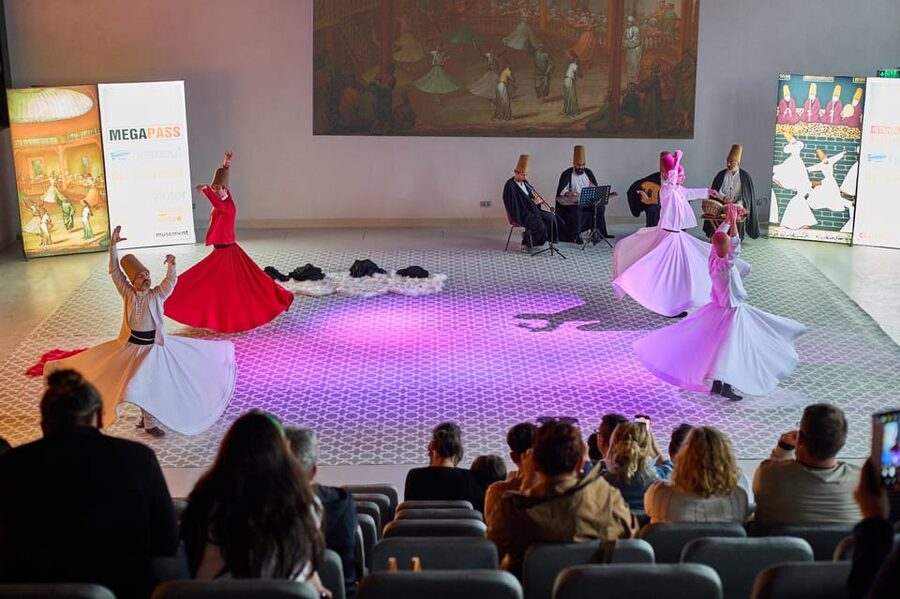
Silence, spinning, and centuries of faith. This Whirling Dervish Sema is staged just steps from Hagia Sophia, with classic Turkish music and a calm, guided explanation. It is organized as a living UNESCO Intangible Cultural Heritage ritual, not a loud tourist show.
I especially like the licensed professional intro and wrap-up that frame what you are seeing, plus the smart audio guide in seven languages. I also like that the ticket includes a local drink, so it feels like a real cultural stop rather than just an entry fee.
The main drawback to plan for is that the event is built around quiet, so if you struggle with spoken explanations (or you are hard of hearing), the opening remarks may feel harder to catch. You will want to sit comfortably and focus.
In This Review
- Key highlights you will actually feel
- Sema at Sufi pace, right by Hagia Sophia
- Finding the giant white wooden house near Basilica Cistern
- The quiet intro: salon time, rules, and what the host does for you
- Inside the Sema: how the music and spinning unfold
- The real value of the soundtrack: classic Turkish live music
- Tea or sherbet, and the audio guide that saves you from guessing
- Price and value: $17 for music, meaning, and NGO impact
- Who should book this, and who might feel miscast
- Final call: should you book the whirling dervishes next to Hagia Sophia?
- FAQ
- How long is the Whirling Dervish Ceremony?
- Where is the meeting point?
- What is included in the ticket price?
- What languages are available?
- Is this experience suitable for children?
- Are visitors allowed to make noise during the ceremony?
Key highlights you will actually feel
- Next to Hagia Sophia, meeting near Basilica Cistern so you can bundle it with your sightseeing route
- 55 minutes of Sema with classic live music and a guided setup before and after
- UNESCO Intangible Cultural Heritage context that turns the spinning into meaning, not just motion
- Smart audio guide in 7 languages plus a live English host for the human explanation part
- Tea or sherbet included, a small local touch that makes the evening warmer
- Silence matters: this is not the place to multitask or talk during the ritual
Sema at Sufi pace, right by Hagia Sophia
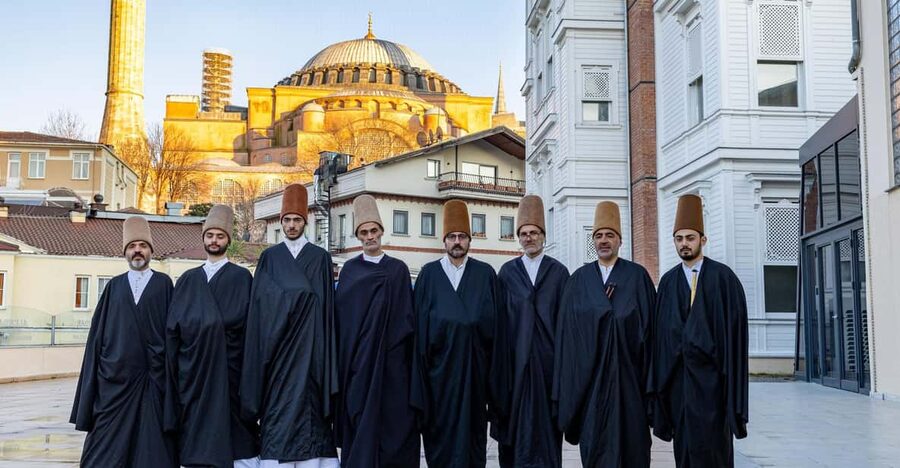
If you want your Istanbul to feel spiritual without leaving the city, this is one of the best ways to do it. The Whirling Dervish ceremony, called the Sema, is presented as an authentic cultural ritual with Turkish music, a structured explanation, and a clear emphasis on reverence. And the location is a big part of the payoff. You are in the historic center, close enough that the ceremony feels like it belongs to the same Istanbul you are already walking through.
What I like most is that the experience is not framed as a circus act. The rhythm, the musicians, and the spoken guidance work together so you know what the turning is meant to symbolize. You also get a built-in learning track, because the event includes both a live host and a digital audio guide in multiple languages. That means you can enjoy the atmosphere even if you arrive knowing very little about Sufism.
The ceremony lasts 55 minutes, which is long enough to feel the slow build, but short enough that it does not drag. Still, it is intentionally meditative, so if you are hunting for loud drama, you may find the pace frustrating.
More hours under the great domes:

Finding the giant white wooden house near Basilica Cistern
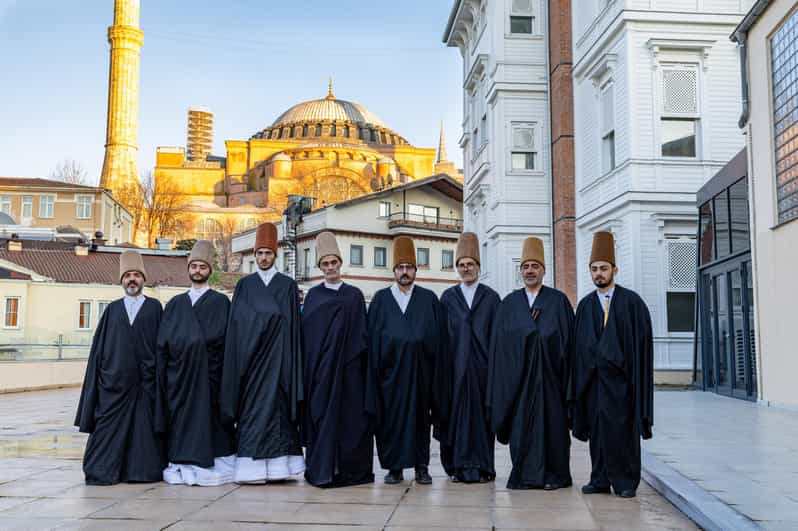
Logistics matter here, because you are meeting in a specific, local-style venue. Your host meets you next to the entrance of the Basilica Cistern. The reception desk is at the gate of the giant white wooden house. The good news is that the gate opens 30 minutes before the ceremony starts, so you are not left sprinting across the old city with your nerves jangling.
You also skip the ticket line, which is a real quality-of-life upgrade in Istanbul. Even with that, I suggest arriving early enough to settle in. The ceremony is built around silence, and that starts the moment you step inside.
A practical tip: use your time before the ceremony to get comfortable. There is mention that you should use the restroom before or after the ceremony. Do that early, because once the session starts, the space expects you to keep still and quiet.
If you are pairing this with nearby sights, I would treat it like a planned “culture block” that anchors the late afternoon or early evening. Being so close to the Hagia Sophia area means you can do the big landmarks earlier, then return for something calmer.
The quiet intro: salon time, rules, and what the host does for you
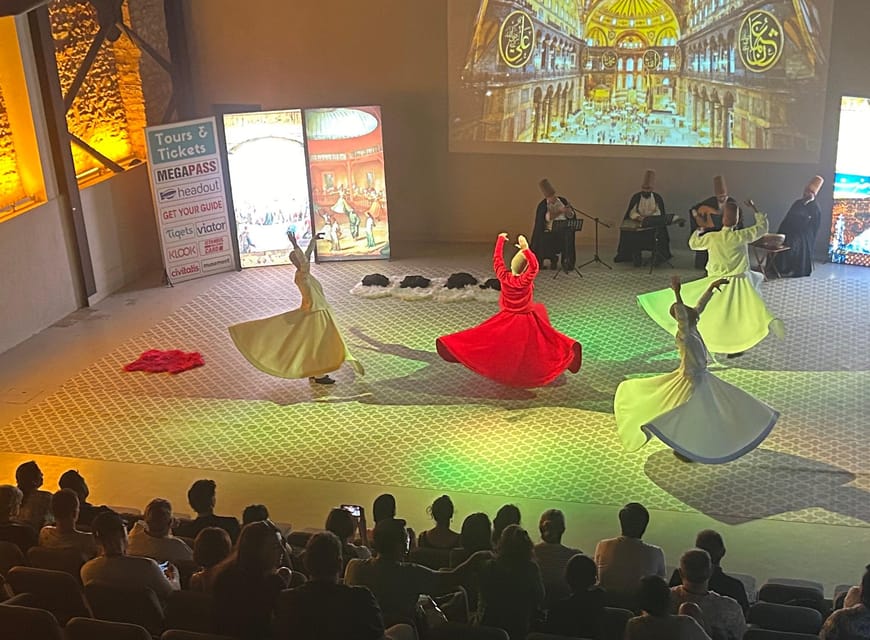
Before the whirling begins, you are brought into the salon, described as a traditional wooden house in Istanbul. This part matters more than people expect. The host explains key details about the ceremony before it starts, and those explanations help you follow the structure once the music and turning begin.
In this setup, the host is not just a ticket-talker. Guests specifically mention how helpful and knowledgeable the introduction can be, and in at least one case the host answered questions at the gate. One review even names Kasl as the person leading the explanation and support. That kind of host-led context is a big reason this feels closer to ceremony than staged performance.
Then you have the rules. Making noise is not allowed, and silence is important. That means no chatting during the turning, no phone conversations, and no trying to narrate your own experience out loud. Think of it as joining a local spiritual event, not attending a background-attraction show.
Also, if you are someone who needs constant stimulation, plan to slow down. The ceremony is intentionally steady. The music and the turning are meant to build gradually, and your attention is part of the ritual.
And yes, you will likely see signage and guidance for the “how to watch” mindset. You will feel it most in your own behavior. If you cooperate with the quiet, you get much more out of the experience.
Inside the Sema: how the music and spinning unfold
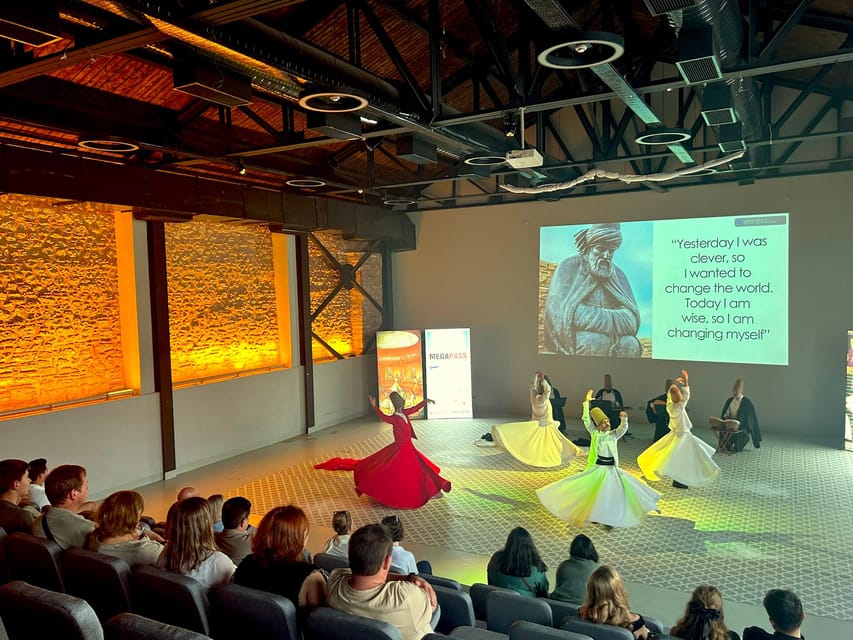
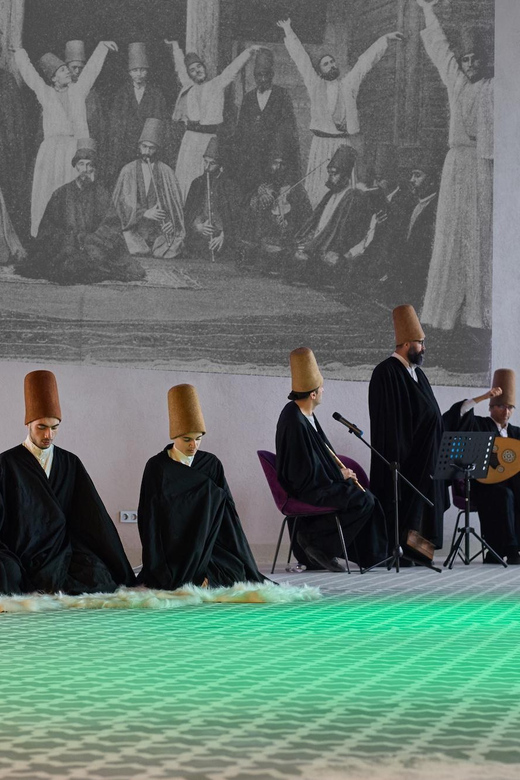
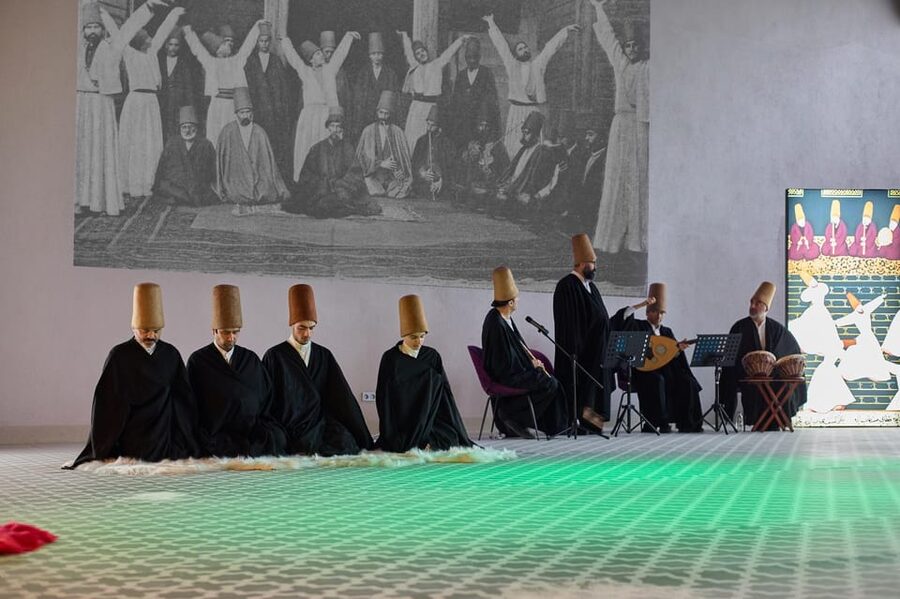
The ceremony follows a clear sequence, and understanding it is half the magic. It begins with instrumental music provided by traditional instruments such as strings, drums, and flutes. This early phase is where your ears start to adjust to the Sufi sound world. The music is not background. It is part of the instruction.
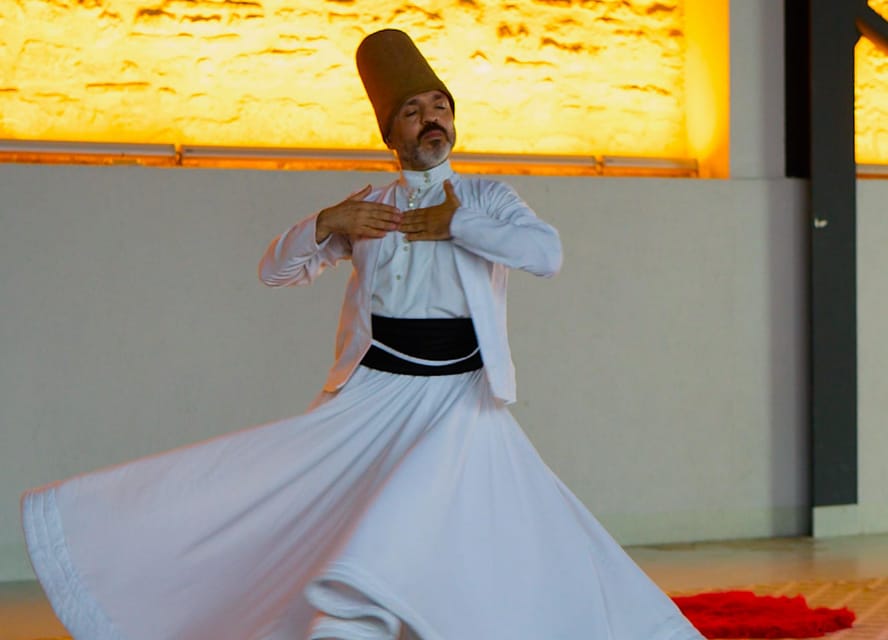
Then the whirling begins. The dervishes arrive in serenity, and in accordance with the rhythm, their motions accelerate. That acceleration is not random. It is part of the symbolic idea of harmony and the movement between the human and the spiritual.
One guest description also highlights the meaning of hand positions: one hand raised toward the heavens and the other pointing to the earth, representing receiving blessings and sharing them. Even if you do not memorize symbolism, it helps to know that the gestures have intention, not decoration.
You should also know something specific about the musical pieces. The event notes that the music performed here is composed between the 1400s and early 1800s. That date range matters because it frames what you hear as historical repertory, not modern karaoke-style arranging. It is one more reason the Sema feels like a cultural inheritance rather than a generic show.
As you watch, pay attention to the structure. The slow start, the steady build, and the final pacing all matter. If you come in expecting the biggest moment to happen immediately, you might miss the best part, which is the gradual shift from ordinary time to ritual time.
More sema ceremonies to sit for:
- Istanbul: Hodjapasha Whirling Dervishes Show & Exhibition★ 4.4 · 4,790 reviews
- Istanbul: Whirling Dervishes Ceremony and Mevlevi Sema★ 4.3 · 1,694 reviews
- Istanbul Hodjapasha Whirling Dervishes Show & Exhibition★ 4.0 · 503 reviews
The real value of the soundtrack: classic Turkish live music
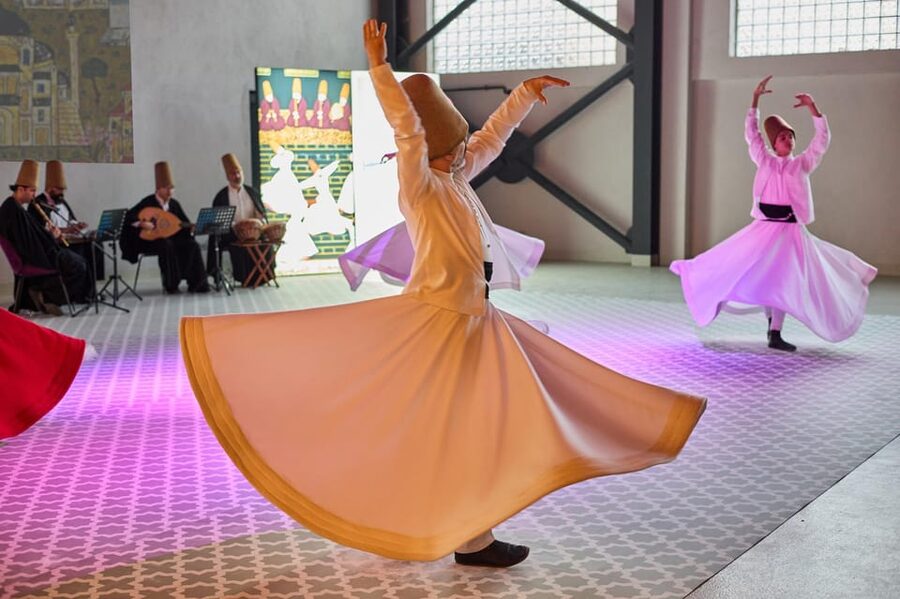
The live music is a core reason this experience holds up, even if you are not deeply religious. The instruments listed, strings, drums, and flutes, create a sound that stays physical. It lands in your body as much as your ears, which is exactly what you want for a ritual built on rhythm and repetition.
The experience also emphasizes that you are hearing music associated with long-standing traditions. That connects your moment in the room to Istanbul’s artistic and spiritual life over many centuries. And since the ceremony is paired with an explanation before and after, you are not left guessing what you are listening to.
In my view, the best way to appreciate the music is to stop multitasking. One guest specifically advised avoiding using your phone during the ceremony, because it pulls you out of the flow. I agree with that approach. Even quick glances are interruptions in a quiet event. Give yourself permission to watch with your eyes and ears only.
One possible consideration: a guest noted the sound system was not great at the beginning, and that the spoken part was hard to hear. That suggests you should arrive early, choose a seat where you can face the room clearly, and do not rely on amplification to do all the work. Bring your focus, not just your hearing.
Tea or sherbet, and the audio guide that saves you from guessing
Part of what makes this tour feel thoughtful is that it includes a drink. You can choose a local tea or sherbet, plus water. It is a small thing, but it turns the visit into a shared moment rather than a hard stop at the door. You can use that drink time to settle down after the ceremony, rather than rushing out hungry for something else.
Then there is the smart audio guide. It is included and available in ENG, DE, FR, ITA, RUS, ESP, ARB. This is a major value point because it helps you keep up even when the spoken intro moves faster than you can process. It also means you are not dependent on understanding everything in real time.
If you like to learn while you travel, this is one of the better setups. You are not just watching. You are getting a guided path through the meaning behind the ritual, including references to major cultural ideas connected to Sufism. One review also mentions a QR code giving access to useful information on Sufism, Rumi, and whirling.
So you get two learning modes. The host provides the human version with context and the chance to ask questions. The audio guide provides the slower, repeatable version in your language. That combination is why the experience tends to stick with people after the room empties.
Price and value: $17 for music, meaning, and NGO impact
At $17 per person for about 55 minutes, this is priced like a real cultural activity, not a pricey tourist entertainment event. And the included extras do real work for value.
You are paying for:
- Entrance to the ceremony with live music and an authentic ritual structure
- A local drink (tea or sherbet) and water
- A smart audio guide in seven languages
- A live English-speaking guide for the intro and explanation
That is a lot packed into one ticket. If you have ever paid more in Istanbul for a show that gives you nothing but volume, this will feel different. Here, the experience is designed to teach you how to watch.
Another value layer that comes up clearly is the purpose behind the ticket sales. Multiple guests describe the ceremony as supporting an arts and education-focused NGO, including scholarships for students at the art center. That kind of social impact turns your evening into something you can feel good about, not just something you consume.
So yes, the price is low. But the better story is what you get for it: live traditional music, a structured cultural explanation, and a chance to contribute to education.
Who should book this, and who might feel miscast
This is a strong choice if you want one of Istanbul’s most iconic spiritual traditions without turning it into a theme park stop. It is also a good match if you like calm evenings and you can respect a setting with silence rules.
You will likely enjoy it if you are:
- interested in Sufi culture and how symbolism is expressed through movement
- the kind of traveler who likes guided context (the intro and audio guide are a big plus)
- okay with a steady pace and a room that asks you to be thoughtful
You might reconsider if:
- you want interactive, comedic entertainment
- you dislike quiet settings where you are not supposed to talk or make noise
- you are traveling with very young children. It is not suitable for children under 2 years.
One more small reality check. The ceremony is only 55 minutes. Some people may want a longer session, especially if they show up late, need extra time to settle, or miss the intro. That is why I keep pushing the early-arrival strategy.
Final call: should you book the whirling dervishes next to Hagia Sophia?
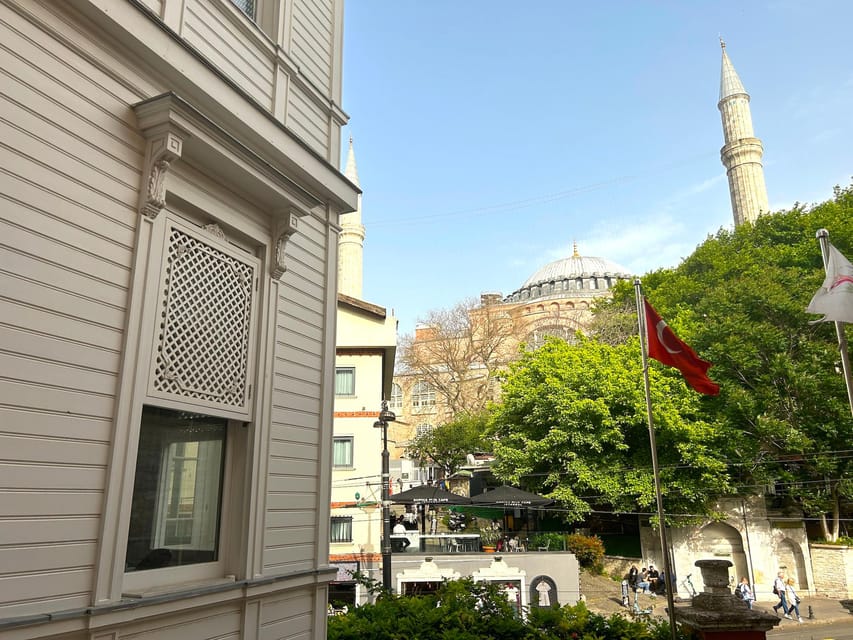
If your ideal Istanbul evening includes live traditional music, a guided explanation, and a chance to witness the Sema in a setting that asks for respect, then yes, book it. The proximity to Hagia Sophia makes it easy to plan, and the included audio guide in seven languages means you will not feel lost.
I would especially recommend it for first-timers who want something more culturally anchored than a generic dinner show. The $17 price also makes it an easy “try it” decision, and the NGO education impact gives it a conscience.
Just go in with the right expectations: this is not a loud performance. It is a quiet ritual. If you treat it like one, you will come away with an experience that feels unusual in the best way.
FAQ
How long is the Whirling Dervish Ceremony?
The ceremony experience lasts 55 minutes.
Where is the meeting point?
Meet your host next to the entrance of the Basilica Cistern. The reception desk is at the gate of the giant white wooden house, and the gate opens 30 minutes before the ceremony starts.
What is included in the ticket price?
Your ticket includes entrance to the Whirling Dervish Ceremony with live music and an authentic ritual, a local traditional drink (tea or sherbet) plus water, and a smart audio guide in multiple languages.
What languages are available?
The live tour guide is in English. The smart audio guide is provided in ENG, DE, FR, ITA, RUS, ESP, and ARB.
Is this experience suitable for children?
It is not suitable for children under 2 years.
Are visitors allowed to make noise during the ceremony?
No. Making noise is not allowed, and silence is important.
Newest to reach the Istanbul table
- Istanbul Airport Transfers IST & SAW – Private Transfers
★ 4.0 · 20 reviews - Private Turkish Carpet Shopping at Historic Caravanserai
★ 5.0 · 20 reviews - Private Istanbul Full Day 7 to 8 hours Guided Tours / Group opt.
★ 5.0 · 20 reviews - Istanbul Topkapı Palace and Harem Guide Tour
★ 4.1 · 20 reviews - Istanbul Basilica Cistern Guided Tour | Skip-the-Line Access
★ 3.8 · 20 reviews - Çiğ Köfte Cooking Class/Night with Traditional Music At Home
★ 5.0 · 20 reviews
Hagia Sophia & Blue Mosque Visits, side by side.
Hagia Sophia Skip-the-Line Ticket & Museum Option
Read our review →
Blue Mosque & Hagia Sophia Guided Tour w/ Tickets
Read our review →
Basilica Cistern & Hagia Sophia with Optional Topkapi Palace
Read our review →
Blue Mosque, Hagia Sophia, & Old Town Walking Tour
Read our review →
Basilica, Hagia Sophia, Blue Mosque Tour & Cruise
Read our review →
Combo: Hagia Sophia+Basilica Cistern Optional Topkapi Palace
Read our review →Lists this tour turns up in