
Reviewed · WHIRLING DERVISH SEMA SHOWS
Istanbul: Whirling Dervishes Ceremony and Mevlevi Sema
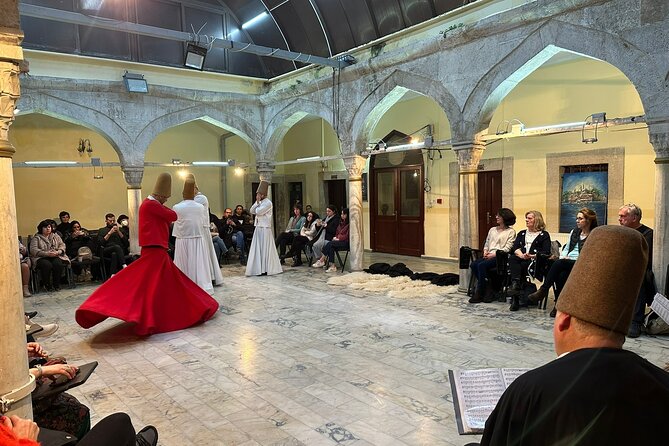
Sema feels like a moving prayer. At the Hoca Rüstem Medrese in Istanbul, you get a one-hour Mevlevi Sema ritual where live music sets the tone before the dervishes begin their hypnotic whirling. I like that it is staged in a real historic setting, not a generic theater, and I also like that the event comes with an English audio guide app that helps you track what you are watching.
One thing to plan around: this ceremony is not built like a classroom. There is no in-person lecture during the performance, so if you want the deeper meaning, you will need to lean on the audio guide and a little pre-reading about Mevlevi symbolism. Space can also get tight, so if you care about seeing footwork, arrive early and pick your spot carefully.
In This Review
- Key Highlights You Should Know
- A 1-hour Mevlevi Sema at Hoca Rüstem Medrese, right in Istanbul
- What You See: From Live Music to the Hypnotic Whirling
- The Meaning Behind the Whirl, Costumes, and Hand Positions
- Seating and Space: How to Get the Best View Without Stress
- Tea, Atmosphere, and How to Behave During Sema
- Price and Value: Is $23 a Good Deal for 1 Hour?
- How to Prepare: Headphones, Timing, and the Audio Guide App
- Who This Is For, and Who Might Want Another Option
- Should You Book This Whirling Dervishes Experience?
- FAQ
- Where does the Whirling Dervishes ceremony take place?
- How long is the experience?
- How much does it cost?
- Is hotel pickup included?
- What is included with the ticket?
- What language is the audio guide and host in?
- What should I bring?
- When should I arrive?
- Is it wheelchair accessible?
Key Highlights You Should Know
- 800-year-old tradition in practice, not a staged modern routine
- Live music first, often with about 20 minutes of sound before the dervishes start
- Costume symbolism you can follow, including black and white meanings
- An English audio guide app, best used with your own headphones
- Close, cozy venue feel, which makes the ritual more intimate than you expect
A 1-hour Mevlevi Sema at Hoca Rüstem Medrese, right in Istanbul
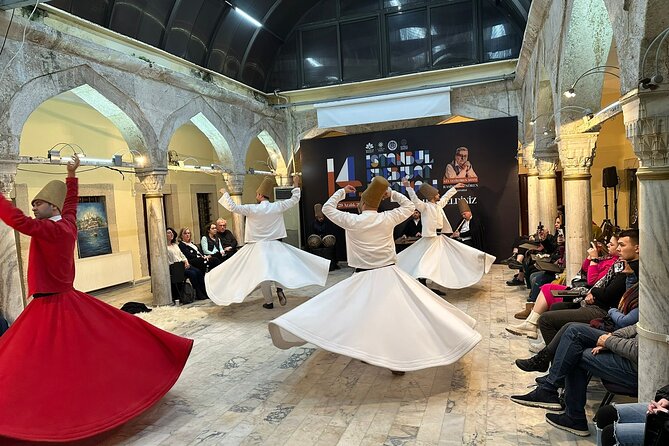
If Istanbul is your spiritual city detour, this is a focused one. The Mevlevi Sema ceremony takes place at Hoca Rüstem Medrese, in the historic center where you can easily combine it with other Sultanahmet area sights. The total time is about 1 hour, which is ideal if you want something cultural and memorable without losing half your day.
The rhythm matters here. This is not built for sightseeing photos every five minutes. The pace is slow, deliberate, and designed to pull your attention inward. Even if you do not know the language, the combination of chanting and instrumentals creates a steady emotional tone, then the spinning begins like a physical version of the music.
For a lot of people, the biggest surprise is how “real” it feels. It is presented as a Sufi mystic tradition connected to the Mevlevi order, named for Mevlana Jelaleddini Rumi. You are not just watching movement. You are watching a centuries-old spiritual form expressed through sound, clothing, and motion.
More sema ceremonies to sit for:

What You See: From Live Music to the Hypnotic Whirling
The ceremony typically starts with a musical portion. Many experiences like this in Istanbul follow the same arc: a short opening with musicians and voices, then the dervishes enter and the ritual takes over. One clear timing marker from people who attended is that you might hear roughly 20 minutes of music before the dervishes start their whirling.
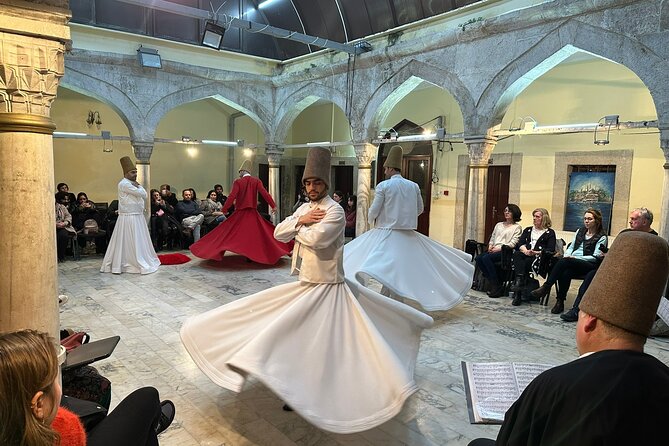
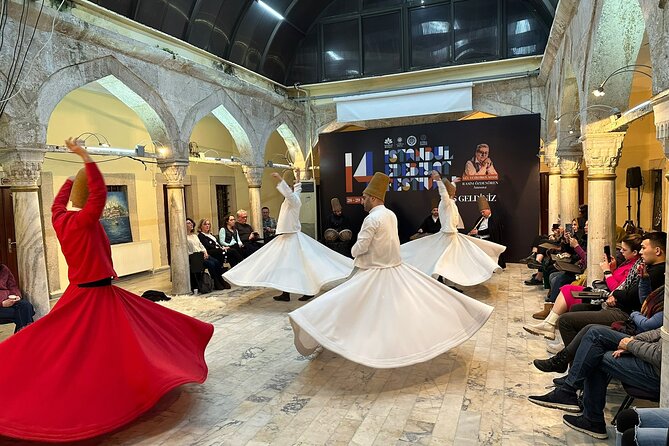
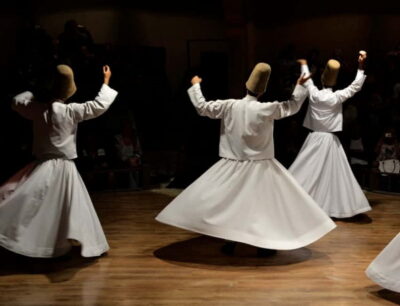
Once they appear, the show is all about sustained focus. The whirling is not random spinning. It is controlled and repetitive, and that is part of why it feels trance-like. You will notice the performers keep their balance and their posture. That steadiness is the point. It is a visual reminder that the ritual is meant to be disciplined, not just dramatic.
If you are hoping for a “performance in the entertainment sense,” manage expectations. The best way to enjoy this is to watch like you would watch a prayer or meditation, with quiet attention. When people sit back and stop treating it like a stage show, the experience lands much more powerfully.
The Meaning Behind the Whirl, Costumes, and Hand Positions
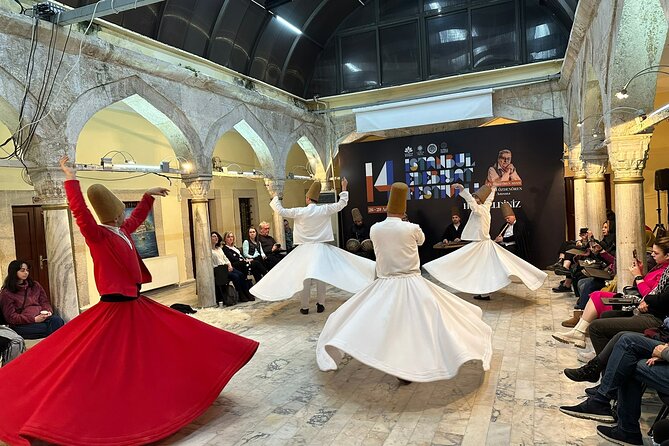
This is where the audio guide becomes your best friend. The Mevlevi explanation of whirling is not just poetic. It is presented as a philosophy of harmony with the created world. The idea you will hear is that whirling represents being in balance with everything around us, the way day and night, summer and winter, life and death, and even subtle symbolic elements like blood in the veils are tied into the ritual’s meaning.
Clothing is part of that language. In the Mevlevi tradition explanation included for this ceremony:
- Black costumes symbolize death
- White ones symbolize birth
- Tall hats are described as tombstones of the ego
Those details matter because they give you something to look for beyond motion. When you understand why a performer is dressed a certain way, the whirling stops being only visually impressive and starts becoming conceptually clear.
Some additional symbolism you may encounter in the explanations shared by English guides and ceremony materials focuses on hand movements. The commonly shared description is that the right hand opens toward the sky, receiving divine blessings, while the left hand points toward the earth, distributing blessings to humanity. Even if you only catch bits of this during the audio guide portion, it helps you interpret the whole sequence as a spiritual journey, not just dance choreography.
Seating and Space: How to Get the Best View Without Stress
This is one of those experiences where your seat changes your experience. The venue can feel small and cozy, and that intimacy is part of the charm. The drawback is simple: if you arrive late, you may end up behind a pillar or in a position where the footwork is harder to see.
A practical approach:
- Arrive early, because the best viewing spots can be limited.
- Decide what you want most: close faces and instruments, or the spinning floor-level detail.
- If you are sensitive to crowding, plan to show up with a calm mindset and use the audio guide early while you wait.
There is also a social rhythm to the room. People often behave quietly once the ritual starts. If you treat it like a concert and forget to keep your voice down, you will feel the atmosphere shift fast. The ceremony environment is part of the respect.
Photography can also be tricky. A common note from attendees is that certain visual elements can distract on the sides of the hall, especially if you are trying to frame perfect shots. You will have better results if you let the moment guide you instead of forcing the camera.
What Istanbul regulars wave over next
- Istanbul: Bosphorus Dinner Cruise & Show with Private Table★ 4.8 · 62,058 reviews
- Istanbul: Daytime or Sunset Sightseeing Cruise & Audio Guide★ 4.8 · 14,430 reviews
- Istanbul: Bosphorus Dinner Cruise & Turkish Night Show★ 4.8 · 12,954 reviews
Tea, Atmosphere, and How to Behave During Sema
One of the nicer touches is that you may be offered hot tea before the ceremony begins. It is especially appreciated in the real-world way, because Istanbul weather can be unpredictable and you do not want to be chilly while you wait. Tea also nudges the atmosphere toward something slower and more respectful, like a pre-prayer pause instead of a rush-in-and-sit-down moment.
Before the dervishes start, the room typically feels warm and focused on sound. You might notice recitation or singing alongside instruments, and you may even hear opening prayers as part of the early segment. This is the moment to settle in, put your headphones on, and start listening to the audio guide so you are not trying to piece together meaning while everything is already happening.
Etiquette is not complicated, but it matters:
- Be quiet during the ritual.
- Do not treat the ceremony like a casual theater where applause is expected.
- Keep your attention on the performers and the music.
You will likely see people who are there for the spiritual side. When you match that energy, the whirling lands as meditative rather than merely entertaining.
Price and Value: Is $23 a Good Deal for 1 Hour?
At $23 per person for about 1 hour, the value depends on what you want from Istanbul. If you are looking for the kind of cultural experience that is short, meaningful, and easy to fit into an evening plan, this is a strong option.
Here is the value math that makes sense:
- You get a ticket to the ceremony itself.
- You also get an English audio guide app, which improves comprehension if you use it.
- You experience live musicians and performers in a historic setting, not a studio recording.
The main “cost” is not money. It is attention. If you want stage explanations and a scripted narrative, you may feel the ceremony moves fast in terms of context. On the other hand, if you are happy to let music and movement do the teaching, you will likely feel that the 1 hour is exactly right, long enough to connect, not so long that you lose patience.
I also think this is good value because it gives you a local Istanbul angle. The Mevlevi Sema is often associated with larger commemorations elsewhere, but this brings a meaningful slice of the tradition into the city where most visitors are already spending time.
How to Prepare: Headphones, Timing, and the Audio Guide App
You do not need to be an expert to enjoy this, but you do need two basics for a better experience.
First, bring headphones and make sure your smartphone is charged. The audio guide is on your phone and is included, but it is not the kind of thing you can listen to with speaker-level sound in a quiet room.
Second, plan to arrive at the hall 15 minutes before the show starts. That time buffer matters for two reasons: you need to find your spot, and you want a few minutes to get your audio guide ready and set your mindset before the ritual begins.
How you use the audio guide is up to you, but I recommend a simple strategy:
- Listen to the background and symbolism early, while you are waiting.
- When the whirling begins, reduce screen time and use the audio guide as a reference, not a distraction.
- If you are the kind of person who likes to understand what you see, keep the audio on. If you prefer experiencing it quietly, use it in short bursts.
This is one of the few museum-like experiences where your preparation directly changes what you get out of it.
Who This Is For, and Who Might Want Another Option
This ceremony fits best if you want a focused cultural experience in Istanbul. It is especially suited for:
- People who enjoy music, chanting, and disciplined performance
- Travelers who want spiritual context, not just tourist entertainment
- Anyone who appreciates symbolism and ritual details
It may be less satisfying if you:
- Expect a guided tour with live explanations during the show
- Want a highly interactive experience where you can ask questions
- Are very uncomfortable in tight spaces or crowded seating areas
One more reality check that helps your decision: it is a spiritual practice, not a typical “show.” That changes the tone of the whole room. If you come in expecting a casual entertainment vibe, you may feel mismatch. If you come in ready for quiet attention, it tends to feel powerful.
Should You Book This Whirling Dervishes Experience?
Yes, you should book it if you want a short, memorable evening that pairs live music with a centuries-old ritual you can actually understand with the help of an English audio guide. At $23 for about an hour, it is the kind of cultural stop that feels appropriately priced for what you get, especially given the live musicianship and the historic venue setting.
Book it with two expectations in mind. First, arrive early so you can secure a comfortable viewing position. Second, treat it like a ceremony. Give it quiet respect, use the headphones, and let the music and whirling do their work.
If you want a deeper meaning than the ceremony offers on its own, do a bit of reading about Mevlevi symbolism before you go. Then you will spend the hour not just watching spins, but seeing a whole philosophy of harmony expressed through motion.
FAQ
Where does the Whirling Dervishes ceremony take place?
It takes place at the Hoca Rüstem Medrese in the heart of Istanbul.
How long is the experience?
The ceremony experience lasts about 1 hour.
How much does it cost?
The price is listed as $23 per person.
Is hotel pickup included?
No, hotel pickup and drop-off are not included.
What is included with the ticket?
You get a ticket to the Whirling Dervishes ceremony and an audio guide app on your smartphone.
What language is the audio guide and host in?
The host or greeter is in English, and the audio guide is available in English.
What should I bring?
Bring headphones and a charged smartphone for the audio guide app.
When should I arrive?
You need to be at the hall 15 minutes before the show starts.
Is it wheelchair accessible?
Yes, it is wheelchair accessible.
Newest to reach the Istanbul table
- Istanbul Airport Transfers IST & SAW – Private Transfers
★ 4.0 · 20 reviews - Private Turkish Carpet Shopping at Historic Caravanserai
★ 5.0 · 20 reviews - Istanbul Topkapı Palace and Harem Guide Tour
★ 4.1 · 20 reviews - Private Istanbul Full Day 7 to 8 hours Guided Tours / Group opt.
★ 5.0 · 20 reviews - Istanbul Basilica Cistern Guided Tour | Skip-the-Line Access
★ 3.8 · 20 reviews - Full Day Private Istanbul Tour
★ 5.0 · 20 reviews
Whirling Dervish Sema Shows, side by side.
Hodjapasha Whirling Dervishes Show & Exhibition
Read our review →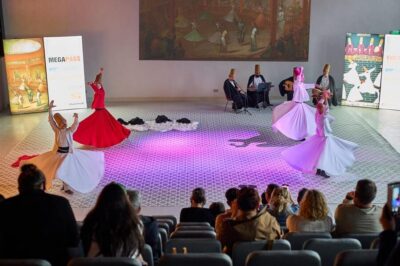
Istanbul Hodjapasha Whirling Dervishes Show & Exhibition
Read our review →
Istanbul Traditional Turkish Dinner and Dervish Experience
Read our review →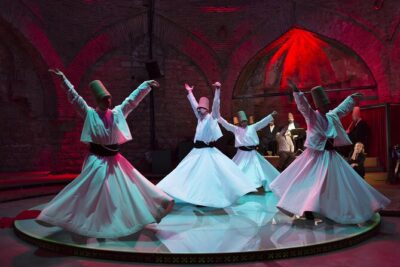

Whirling Dervish Ceremony: Go on a Spiritual Journey
Read our review →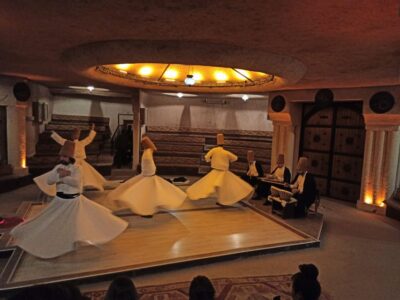
Whirling Dervishes Ceremony & Optional Transfer
Read our review →Lists this tour turns up in