
Reviewed · GALLIPOLI, TROY & ANZAC TOURS
Small-Group Full Day Gallipoli & ANZAC Battlefields from Istanbul
Gallipoli in a single day is intense. This full-day trip from Istanbul strings together the most important WWI sites on the peninsula, then brings you back with a guide who explains the campaign from the Allied and Turkish sides.
I especially like the small-group format, which makes it easier to ask questions without shouting over a big crowd. I also like that the day includes a guided circuit of key locations plus lunch, so you spend more time actually learning and looking, and less time figuring logistics. The main drawback is simple: it is a very long day with a lot of road time, and the return coach ride can feel tight.
In This Review
- Key Points to Know Before You Go
- A Long Day Trip With a Serious Purpose From Istanbul
- Istanbul to Gallipoli by Coach: Comfort, Time, and What to Expect
- Gallipoli’s Backstory on the Ride Out
- ANZAC Cove and The Neck: The Core Stops That Earn the Emotion
- Johnston’s Jolly and the Surviving Trench Lines
- Lone Pine Cemetery and the New Zealand Memorial at Chunuk Bair
- Lunch on the Peninsula, and How to Handle the Extra Costs
- The Guide Makes or Breaks This Day
- Comfort and Logistics: What Can Go Wrong, and How to Be Ready
- Who This Tour Suits Best, and Who Might Want Another Option
- Value Check: Is $185 Worth It?
- Should You Book This Gallipoli and ANZAC Day Trip?
Key Points to Know Before You Go
- A long Istanbul-to-Gallipoli day trip with several hours of driving each way
- Small-group size (max 20) gives you better chances to ask questions
- At least five major WWI sites on the peninsula in one visit
- ANZAC Cove, The Neck, and Johnston’s Jolly are core stops, not optional add-ons
- Lone Pine Cemetery and the New Zealand memorial make the day hit hardest
- Lunch is included, but drinks are extra
A Long Day Trip With a Serious Purpose From Istanbul
If you can handle a long travel day, this is one of the most focused ways to experience Gallipoli. You leave early from your Istanbul meeting point, ride out by air-conditioned coach, and then spend the daylight hours moving between the places that shaped the 1915 campaign.
What makes it work for most people is the pacing. It is not just a quick drive-by. You get stops at the landing-area beach, the famous ground around The Neck, surviving trench lines, and memorial cemeteries. The guide talks through the campaign as you go, which helps you connect what you see with what happened there.
The price includes a lot of the “friction” that can slow you down on your own. You get hotel pickup and drop-off, an air-conditioned vehicle, and a guide. You also get admission tickets listed as free, which means you are not paying separate site fees on the day. Drinks are the one easy add-on that you should expect to pay for.
Further Gallipoli and Troy battlefield visits:



Istanbul to Gallipoli by Coach: Comfort, Time, and What to Expect
This is a drive-heavy tour. On paper, it runs about 15 hours. In real life, plan for a day that can stretch later than you expect, especially if traffic and pick-up timing run long. Pickup can start early, with some guests reporting around 6 am, and the return can feel like near midnight.
The good news is that the coach is air-conditioned and designed for a long day. You also get the mental reset of sitting and listening while the scenery rolls by. The even better news is that the guide experience usually really clicks once you arrive, so the long road can feel like pre-game rather than dead time.
Now for the practical reality checks from experience:
- Coach seats can be small, and the ride back is where people feel it most.
- There may be fewer toilet stops than you would like once you are out on the peninsula.
- Some buses have had air-conditioning problems, so bring a light layer just in case.
My advice: bring snacks and water. Even if lunch is included, the long drive and limited break rhythm make small supplies feel like lifesavers. If you have a sensitive stomach, roadside meals may not look as appealing as the photos promise, so plan accordingly.
Gallipoli’s Backstory on the Ride Out
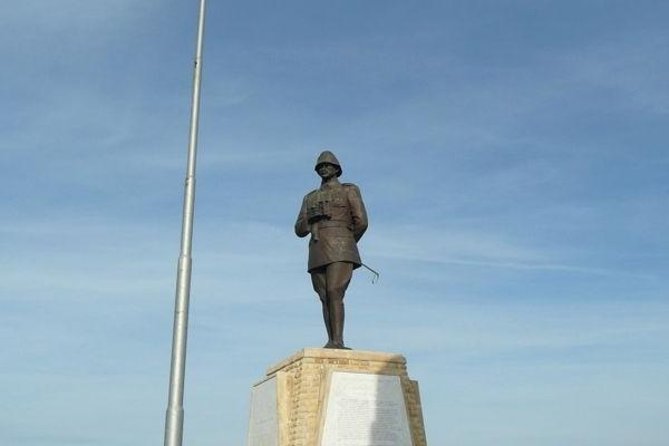
Half the value of this trip is what you hear before you start walking the sites. You travel along the peninsula road with your guide explaining the overall campaign: the landings in April 1915, the goals of the ANZAC forces, and the strategic context around supporting Russian forces while fighting Ottoman troops.
You also get the big timeline that makes the memorials make sense. By January 1916 the campaign becomes a stalemate, Allied troops withdraw after massive casualties on both sides, and the human cost is the main story Gallipoli tells.
This part matters because Gallipoli is not just a “see the sights” place. It is a place where the terrain and the decisions matter. When you later stand at ANZAC Cove or at memorial ground, you are not guessing what you are looking at.
ANZAC Cove and The Neck: The Core Stops That Earn the Emotion
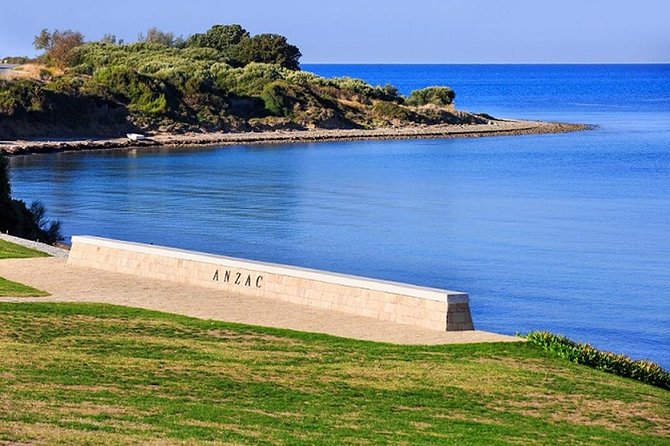
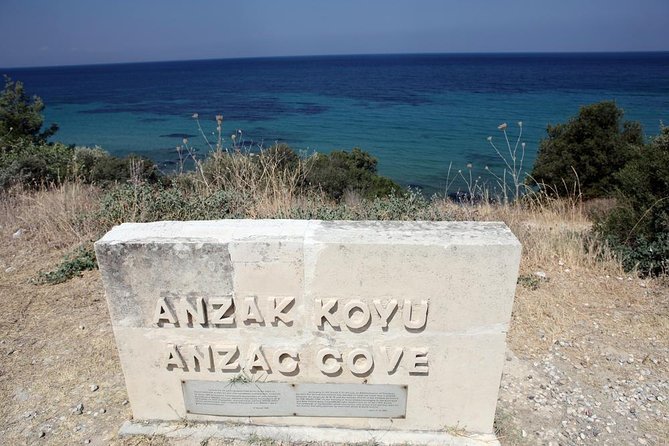
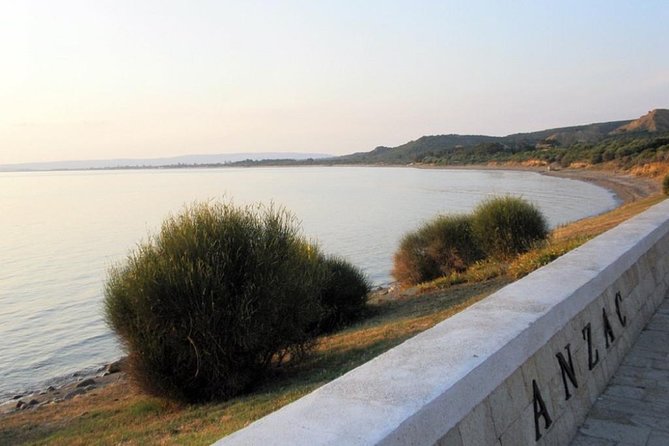
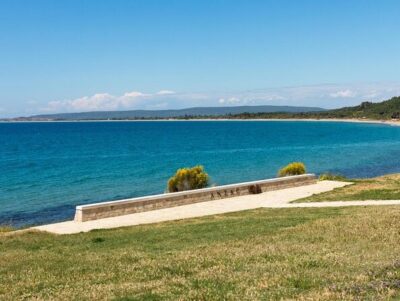
ANZAC Cove is the name that pulls people here, and you get the beach and the landing area as part of the guided flow. You also spend time at the places tied to April 25. Seeing the coastline in daylight helps your brain map the scale of the operation, and it makes the guide’s story much easier to follow.
Then comes The Neck, often described as one of the most tragic areas of the Australian attack. This stop tends to land hardest because it is not just about what happened, it is about how little ground can cost so much when the fight is misread and the terrain is unforgiving. The tour frames it in terms of the scale of losses, and that context turns the location into something more than a viewpoint.
A detail I like about this stop structure is that you see the landing-area beach first, then you see how quickly the campaign tightens into brutal ground. You move from arrival to consequence.
What Istanbul regulars wave over next
- Istanbul: Bosphorus Dinner Cruise & Show with Private Table★ 4.8 · 62,058 reviews
- Istanbul: Daytime or Sunset Sightseeing Cruise & Audio Guide★ 4.8 · 14,430 reviews
- Istanbul: Bosphorus Dinner Cruise & Turkish Night Show★ 4.8 · 12,954 reviews
Johnston’s Jolly and the Surviving Trench Lines
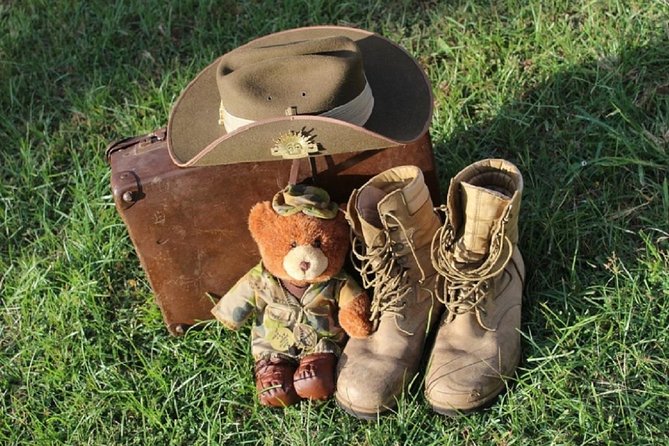
After the landing and the famous ground near The Neck, you head to Johnston’s Jolly. This is where the day becomes more “physical” in your mind. You are not only hearing about strategy anymore, you are looking at remnants of trench systems and seeing how the fighting lines formed.
This area is especially meaningful because it keeps both sides in view. Your guide explains the trench layout and how it shaped movement, survival, and failure. You also get a moment of perspective by seeing that the battlefield is shared memory, not a one-sided story.
If you like military history, this is often the highlight. If you do not, it is still worth it, because trench lines give you a concrete sense of what soldiers faced every day. It also helps you understand why commemorations exist where they do.
Lone Pine Cemetery and the New Zealand Memorial at Chunuk Bair
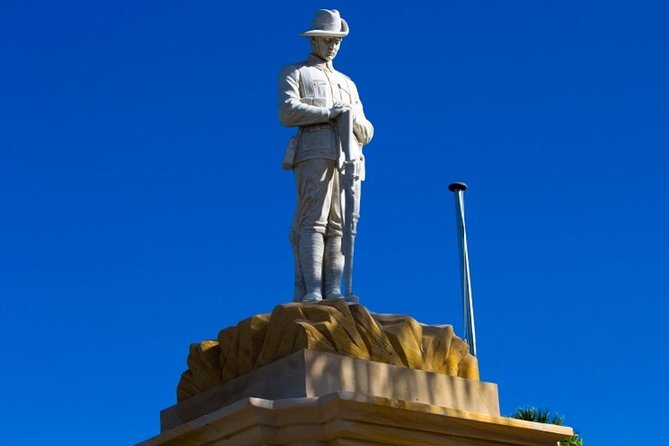
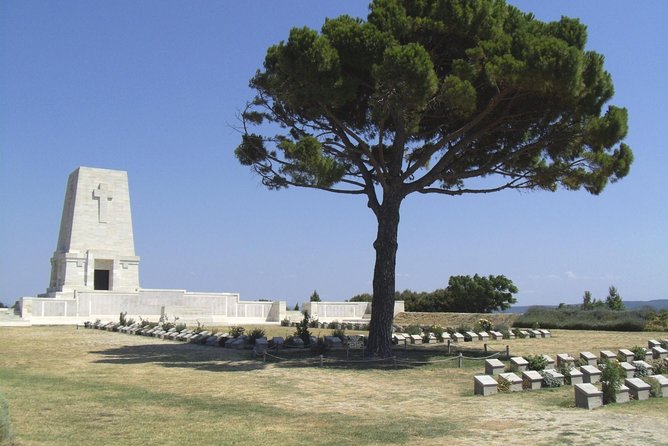
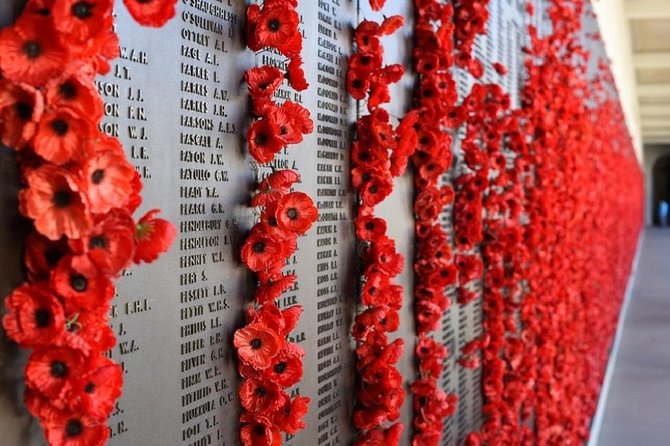
Once the peninsula’s stops start stacking, the memorial ground becomes the emotional anchor. You visit the Australian Lone Pine Cemetery and Memorial, including engraved names for nearly 5,000 men. Even if you do not know the specific individuals, it is still a powerful moment because names make history feel human.
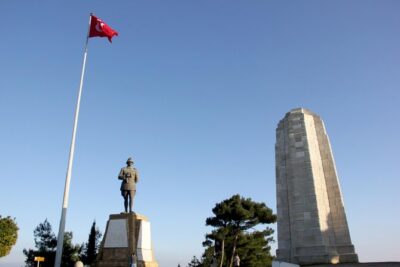
Next comes the New Zealand memorial at Chunuk Bair, tied to the August 1915 fighting where New Zealanders held their ground. This is a good second act after Lone Pine because it broadens the story. The campaign stops being only an ANZAC landing narrative and becomes a longer struggle on multiple fronts and multiple months.
What I appreciate here is that the tour does not just point at buildings and move on. You get time to look, reflect, and let the guide connect the terrain with the specific fighting. The order also works. You see the battlefield logic first, then you see the memorial results.
Lunch on the Peninsula, and How to Handle the Extra Costs
Lunch is included during the early afternoon portion of the day. Drinks are at your expense, so you should plan on a small extra spend if you want soda or something with your meal.
From experience, included lunch is often the part that feels “fine” rather than special. That does not ruin the day, because your main value is the guided battlefield circuit. Still, I recommend treating the meal as fuel, not a culinary highlight.
My practical tip is to treat breaks as limited. People tend to underestimate how much standing and walking is involved across multiple stops. Carrying a snack and having water means you can keep energy steady between viewpoints and memorials.
The Guide Makes or Breaks This Day
Gallipoli is serious subject matter, so your guide’s style matters. The best days I’ve heard described from this route all share a few traits: a tight grasp of the sequence of events, a talent for explaining without drowning you in dates, and a willingness to treat the Turkish side as part of the story.
In the real world, you might be with guides such as Hasan, Charlie, Burak, Mahmoud, or Munt. Some guides are described as funny story-tellers, others as extremely moving, and many are praised for an unbiased presentation that keeps perspective on both sides. The key point for you is this: when the guide is good, the battlefield stops feel like they snap into focus.
So if you care about understanding the campaign, show up ready to listen. Take a moment before the big stops to ask one or two questions about what you should notice at the next site. The small-group format helps with that.
Comfort and Logistics: What Can Go Wrong, and How to Be Ready
This tour’s biggest “gotcha” is the road. Even when everything runs smoothly, you are spending many hours sitting. And in some cases, the return ride has been described as cramped, with people feeling squeezed in the back for long stretches.
Another issue that comes up is communication around timing and connections. Some guests have felt the outward and return journey had confusing messaging. That is not something you can fully control, but you can protect yourself by being proactive:
- Know your return meeting point and keep your phone handy for updates.
- Use breaks when they happen, even if you think you can wait.
- Bring snacks and water so you do not feel stuck if timing gets delayed.
Finally, the day is intense enough that you should dress like it is an outdoor day, not a museum day. The sun can matter, and the air on the peninsula can shift. Layers are your friend.
Who This Tour Suits Best, and Who Might Want Another Option
This is ideal if you want a guided, one-day Gallipoli circuit that hits major ANZAC and memorial sites without requiring you to drive yourself. It is especially good for people who care about Australian and New Zealand history in 1915 and want the story framed from more than one side.
It is also a solid choice if you prefer small groups. The maximum group size is 20, so you usually get more time for questions and a more connected feel than with huge busloads.
This might not be your best fit if:
- You hate long coach rides and tight seating.
- You are worried about limited toilet stops during the peninsula portion.
- You need lots of flexibility to roam freely without a structured route.
Value Check: Is $185 Worth It?
At $185 per person, the value depends on what you want out of the day. If you try to DIY this trip, you would likely spend more on private transportation, lose the benefit of expert guiding as you move between sites, and spend time figuring out where to go and how to fit it all in.
Here, you get a bundle:
- Hotel pickup and drop-off
- An air-conditioned vehicle
- A guide
- Lunch included
- Admission listed as free
That combination is what makes the price feel fair for many people. You are paying for convenience and interpretation, not just seats on a bus. The main “cost” you should account for is mental and physical. It is a long day, so you will want to plan your energy like you would for a demanding hike.
Should You Book This Gallipoli and ANZAC Day Trip?
I think you should book if you want one focused day that delivers the most important Gallipoli experiences, with an expert guide guiding you between the sites that matter. It is a meaningful pilgrimage route, and the small-group setup is a real advantage for questions and pacing.
Skip it if you know you will struggle with long road time, cramped seating, or a schedule that does not give you much free roaming. If that sounds like you, consider splitting your time or choosing a different style of tour.
If you do book, come prepared for the day length: pack snacks, bring water, wear comfortable shoes, and plan to be a bit tired by the time you return to Istanbul. The reward is a well-connected story told on the very ground where it happened, from landing to trenches to the memorial names you will remember long after you get back home.
Newest to reach the Istanbul table
- Istanbul Airport Transfers IST & SAW – Private Transfers
★ 4.0 · 20 reviews - Private Turkish Carpet Shopping at Historic Caravanserai
★ 5.0 · 20 reviews - Istanbul Topkapı Palace and Harem Guide Tour
★ 4.1 · 20 reviews - Private Istanbul Full Day 7 to 8 hours Guided Tours / Group opt.
★ 5.0 · 20 reviews - Istanbul Basilica Cistern Guided Tour | Skip-the-Line Access
★ 3.8 · 20 reviews - Full Day Private Istanbul Tour
★ 5.0 · 20 reviews
Gallipoli, Troy & Anzac Tours, side by side.
Istanbul to Gallipoli Full Day Tour with Lunch and Transfers
Read our review →


Istanbul to Gallipoli, Canakkale and Troy. 2 Day Tour with Hotel
Read our review →
Istanbul to Truva Troy Guided Day Tour with Lunch and Transfers
Read our review →Lists this tour turns up in