
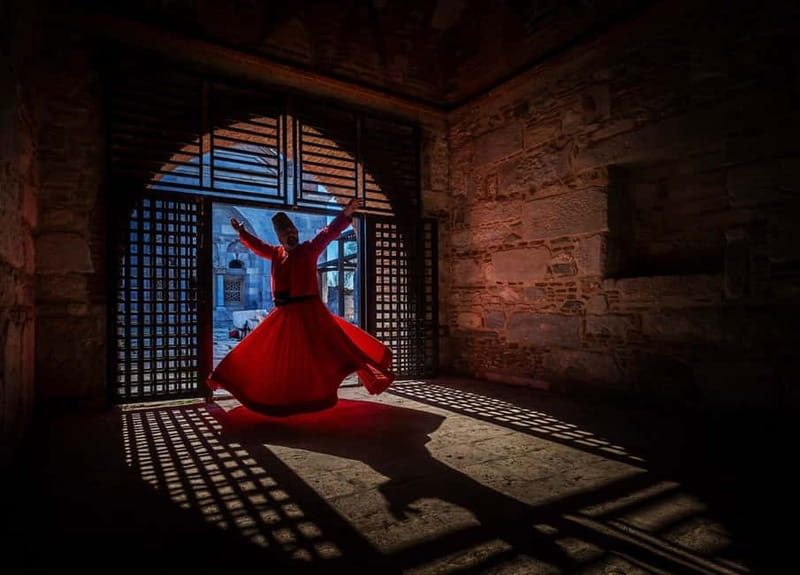
Reviewed · WHIRLING DERVISH SEMA SHOWS
Authentic Whirling Dervish Ceremony, A Mystical Experience
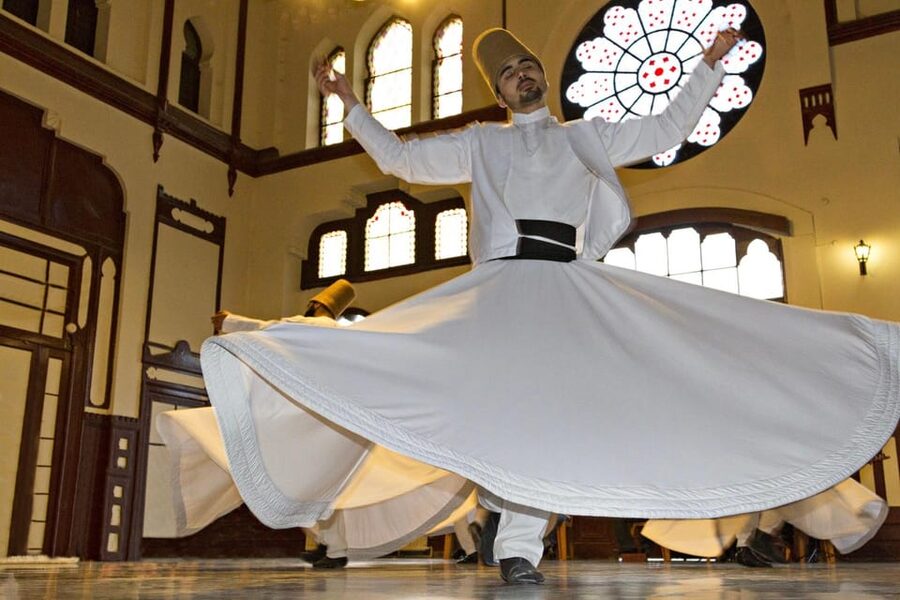
A whirling ritual in an Ottoman bath house.
At the Hodjapasha Cultural Center in Turkey’s Marmara Region, you get the UNESCO Whirling Dervish Ceremony in a room that feels like history, not a generic theater. The setting alone helps the performance land with extra meaning.
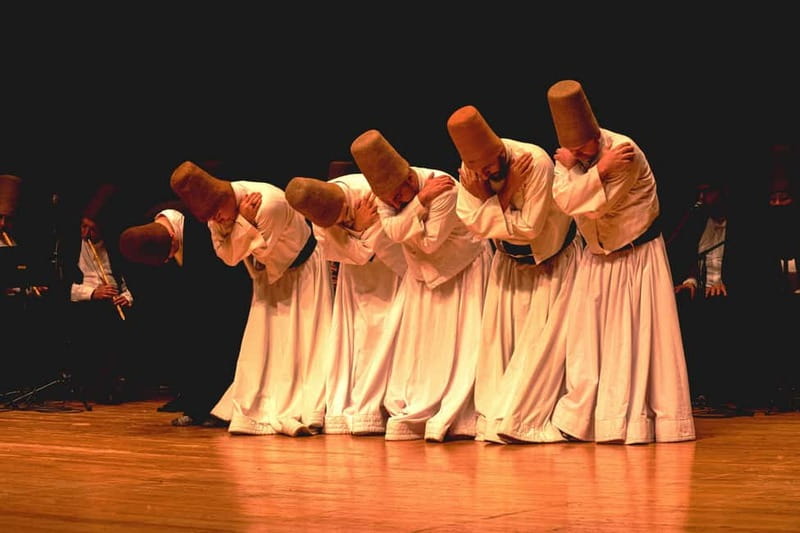
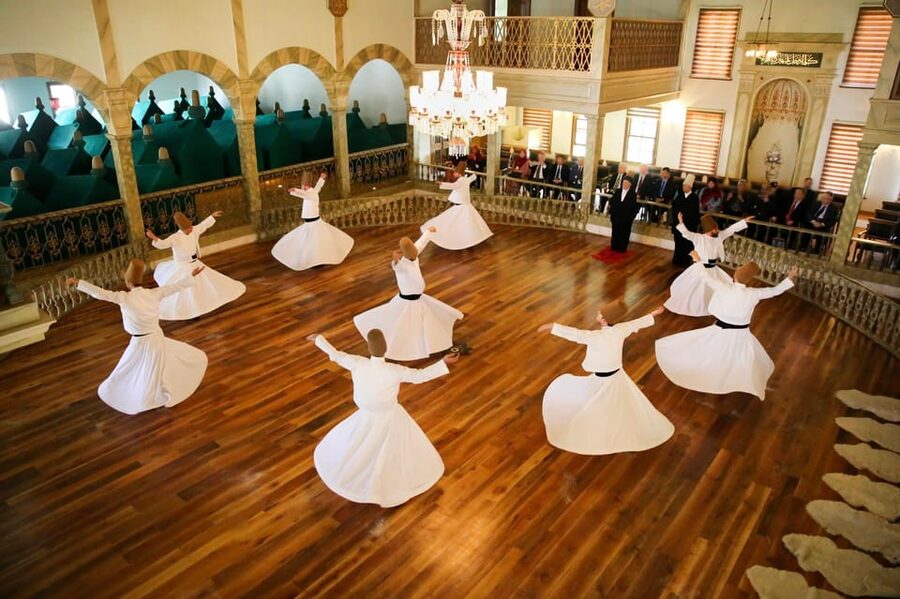
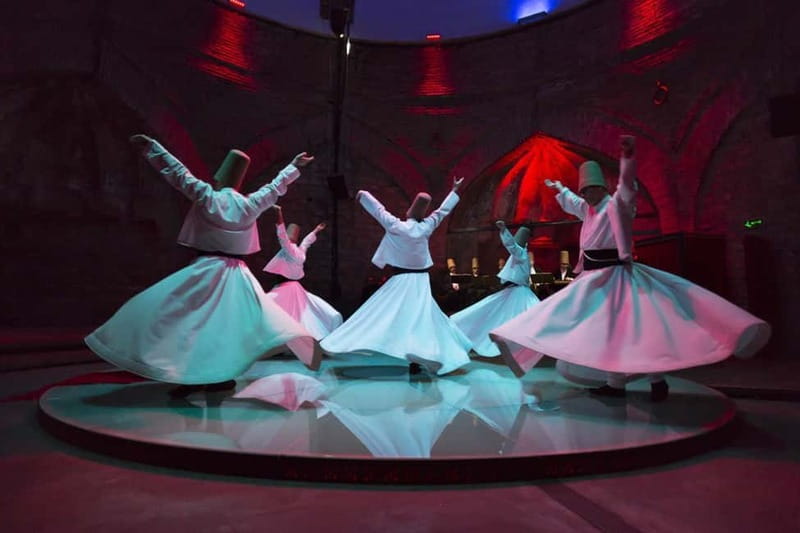
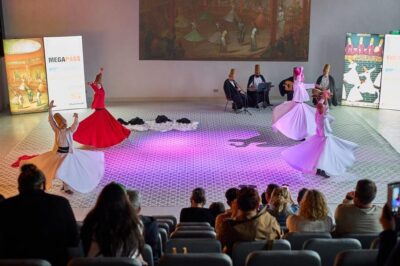
I love the way this experience turns symbolism into something you can actually watch, with the dervishes twirling in long white skirts as a spiritual journey toward divine love. I also like that the ticket includes a program booklet, so you are not just watching movement, you are following the ideas behind it.
One possible drawback: the show is only about 1 hour, so you will want to be seated and ready from the start. Also, one booking noted that new people were sometimes admitted during the prayer portion, which can break your focus if you are sensitive to interruptions.
In This Review
- Key highlights worth knowing
- Entering Hodjapasha, a restored 15th-century hammam
- Why the Mevlevi Whirling Dervish ritual is UNESCO recognized
- Ticket in hand: how the 1-hour show flows
- Watching the whirling: what to notice during the ceremony
- The Hodjapasha setting adds meaning (and a few practical comforts)
- If your day includes Rhythm of the Dance
- Price and value: is $41 fair for this hour?
- Where hotel pick-up fits in, and how to plan timing
- Who this experience suits best (and who might skip it)
- Should you book the Hodjapasha Whirling Dervish Ceremony?
- FAQ
- Where does the Whirling Dervish Ceremony take place?
- How long is the ceremony?
- What does the ticket include?
- Is hotel pick-up and drop-off included?
- Is there an English-speaking guide or host?
- Is the Whirling Dervish Ceremony recognized by UNESCO?
- What are the cancellation and payment options?
Key highlights worth knowing
- UNESCO-recognized Mevlevi ritual: the whirling ceremony is tied to the Mevlevi Order
- Hodjapasha Cultural Center in a restored 15th-century hammam: Ottoman bath architecture becomes the stage
- A program booklet is included: you get context for what you see during the performance
- Bottled drinking water is included: a small comfort that actually helps during an hour indoors
- English host or greeter: you can get basic help onsite in English
- Arrive early for the prayer segment: a reported issue was late entry disrupting the moment
Entering Hodjapasha, a restored 15th-century hammam
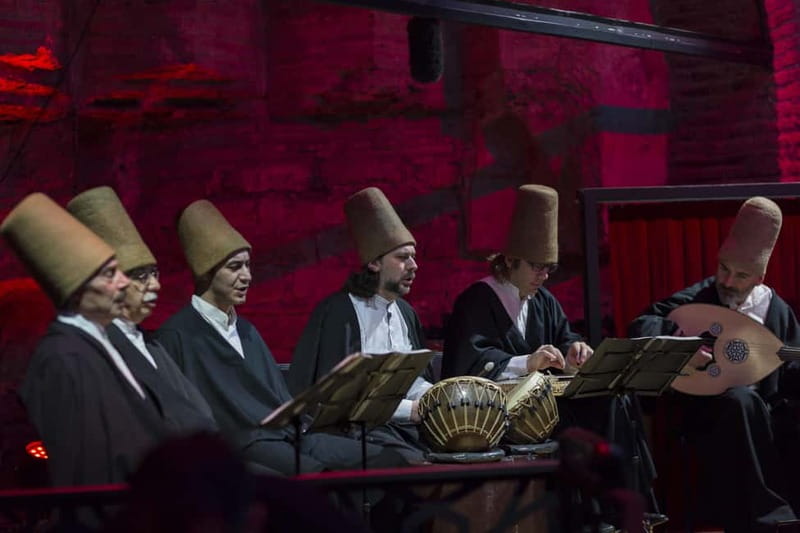
The Hodjapasha Cultural Center is built around a restored 15th-century hammam, an Ottoman-era Turkish bath structure. You feel that age in the way the space is used, with the performance happening inside a historical setting rather than a modern box.
That matters more than it sounds. A whirling ceremony is part movement, part spiritual focus, so the environment helps you slow down and pay attention. In a place like this, the experience tends to feel more like culture you are witnessing than a quick entertainment stop.
Before the dervishes start, you are usually able to settle in, get your bearings, and get ready to watch. The ticket experience includes admission, a live performance, a program booklet, and bottled drinking water, so you are not scrambling for basics once you arrive.
More sema ceremonies to sit for:

Why the Mevlevi Whirling Dervish ritual is UNESCO recognized
The ceremony you came for is the iconic Whirling Dervish Ceremony, practiced by the Mevlevi Order. The performance is recognized as a UNESCO-listed ritual, which is a strong signal that this is more than costume and choreography.
The key idea, explained right in the experience materials, is that the twirling represents a spiritual journey toward divine love. That is the thread you can keep in your mind while you watch, instead of getting stuck on just the speed or the visuals.
When you have a short show, context is everything. The included program booklet helps translate what you are seeing into something you can understand, with insights into history, symbolism, and significance. If you read it quickly before the ceremony begins, you will likely feel the movements make more sense as they unfold.
Ticket in hand: how the 1-hour show flows
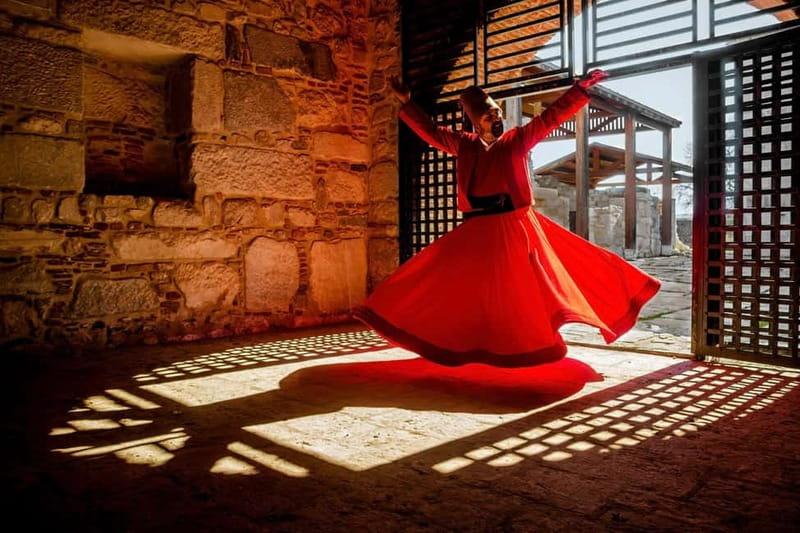
This is a compact experience. The total duration is about 1 hour, which means you should plan for an efficient, focused schedule once you arrive at Hodjapasha.
From the practical side, your ticket includes:
- Admission to the live performance
- A program booklet
- Bottled drinking water
- The performance itself
The experience also includes skip the ticket line, which can be a big deal in a busy city. When you can get inside with less waiting, you start the ceremony calm, not stressed.
There is an English host or greeter onsite, which is useful if you need help finding the right space or understanding what happens next. And because the performance is the center of the hour, the format tends to be straightforward: you arrive, take your seat, get the context materials, and then watch.
Watching the whirling: what to notice during the ceremony
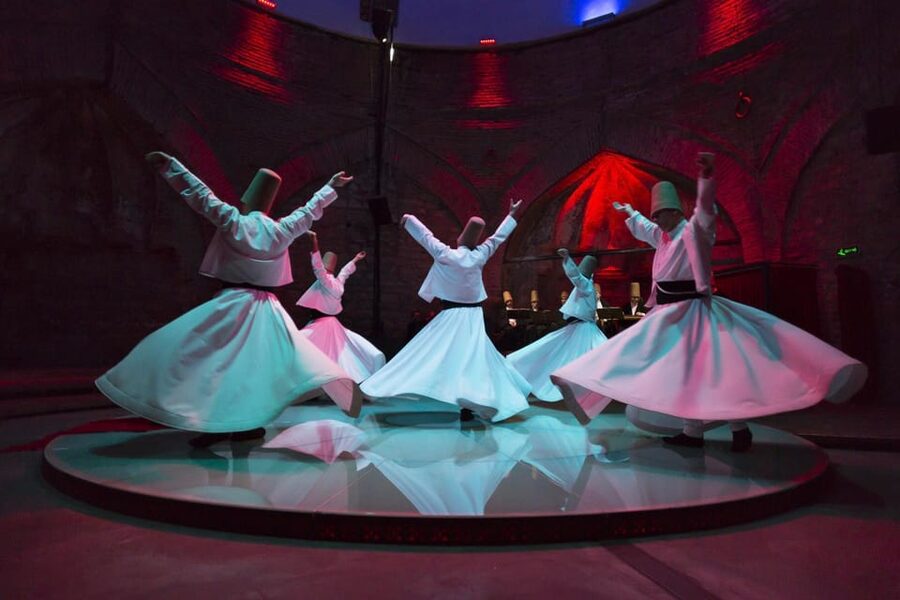
The visual at the center of everything is simple and powerful: dervishes twirl in long white skirts. That iconic image is not random, it is part of a ritual language that supports the theme of spiritual pursuit and transformation.
As the ceremony progresses, keep an eye on the way the movement looks purposeful, not playful. The ceremony is about a journey toward divine love, so even if you do not share the religious beliefs, you can still respect the seriousness of the form.
This is also where the booklet helps. The printed guide is there to give you the symbolism and significance, so you can connect the shapes and actions to the meaning. If you only glance at it, you will still enjoy the show, but taking a minute to scan it first can make a noticeable difference.
One more practical note: a reported issue was that new people were sometimes allowed in during the prayer portion, which can disturb the moment. My advice is simple: arrive early enough to be settled before that segment begins. If you want the calm, do not use the time for last-minute wandering.
What Istanbul regulars wave over next
- Istanbul: Bosphorus Dinner Cruise & Show with Private Table★ 4.8 · 62,058 reviews
- Istanbul: Daytime or Sunset Sightseeing Cruise & Audio Guide★ 4.8 · 14,430 reviews
- Istanbul: Bosphorus Dinner Cruise & Turkish Night Show★ 4.8 · 12,954 reviews
The Hodjapasha setting adds meaning (and a few practical comforts)
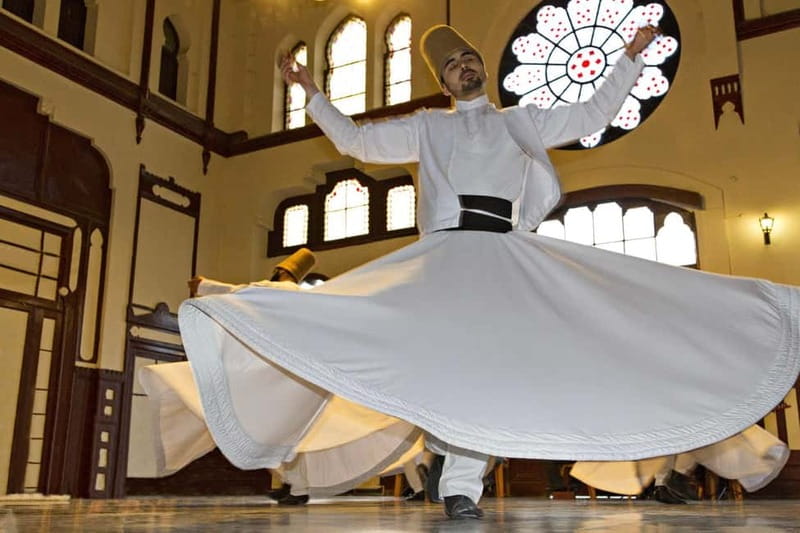
A whirling ceremony is intense, even in a quiet way. You have a lot of visual action in the room, and you will likely focus on the performers for the whole hour.
That is easier when the space supports attention. A restored hammam setting can feel cooler, more enclosed, and more atmospheric than a modern theater. You might find the walls and the historical feel add to the sense that this is ritual, not spectacle.
Small comforts also help you stay present. Your admission includes bottled drinking water, which means you can take sips without hunting for a shop or risking you go thirsty during the ceremony.
Because the show is only an hour, you do not want to spend that time distracted by logistics. The center’s historical setting plus the built-in essentials is a practical combo that supports a calm viewing experience.
If your day includes Rhythm of the Dance
The experience description also mentions a Rhythm of the Dance show option. That can mean your ticket experience may focus strictly on the Whirling Dervish Ceremony, or it may include an additional dance performance as part of the overall program.
If you end up seeing that other segment, treat it as the same goal, different language. It is still cultural performance time inside Hodjapasha, so you are still working with movement and meaning, just not only the whirling.
The main takeaway for your expectations is that the hour is performance-heavy. You are not looking at a multi-part city tour. You are here to watch, understand, and enjoy the symbolic dance focus in one dedicated stop.
Price and value: is $41 fair for this hour?
At $41 per person for a roughly 1-hour experience, the value depends on what you want from your evening.
Here is what you are paying for in concrete terms:
- Admission to the live performance
- Program booklet (history, symbolism, significance)
- Bottled drinking water
- The ceremony itself, linked to the Mevlevi Order and UNESCO recognition
- Skip the ticket line
- English host or greeter
That bundle matters. Many “cultural show” tickets feel like you are paying for a seat. This one also gives you context with the booklet, which helps you get more out of what you watch.
Also, the one-hour length is an underrated value. If you are short on time in Istanbul, you get a major cultural ritual without committing to half a day or an all-day itinerary.
The one thing that could affect perceived value is transportation. If you were hoping for hotel pick-up and drop-off, note that the provided information lists pickup and drop-off as not included. If you have to manage getting there and back on your own, factor that cost and time into the equation.
Where hotel pick-up fits in, and how to plan timing
The information you have includes a contradiction about hotel pickup. One part of the description talks about convenience with pickup and drop-off, but the “Not Included” list specifically says hotel pick-up and drop-off are not included.
So here is the smart way to handle it: before you go, verify what your exact booking includes. If pickup is not included, plan for a direct arrival and budget time to get inside early enough to settle before the ceremony focus begins.
Timing also matters for respect and comfort. Because the show is about an hour, the center cannot afford long delays. You want to be in your seat and ready when the program moves from setup into the main segments.
And since one booking reported interruptions during the prayer portion, being early is not just about “arriving on time.” It is about protecting the quiet, focused experience you came for.
Who this experience suits best (and who might skip it)
This is a strong fit for you if you want a concentrated cultural experience with a symbolic core. The ceremony is tied to the Mevlevi Order, it is linked to UNESCO recognition, and it comes with a booklet that explains what you should be watching for.
I also think this works well if you prefer structured “show time” over wandering. You can treat this like your cultural anchor of the evening, especially with skip-the-ticket-line and the English host or greeter support.
It might be a less perfect match if you dislike any chance of interruptions. There was a specific mention that new people were allowed in during the prayer segment at least once. If you know you need a completely uninterrupted quiet moment, plan to arrive early and be ready for the reality of a live program environment.
Should you book the Hodjapasha Whirling Dervish Ceremony?
Book it if you want a UNESCO-linked whirling ritual in a real historical space, inside a restored 15th-century hammam. The ticket is built for understanding, not just watching, with the included program booklet and the hour-long format that fits easily into a travel schedule.
I would book it even more confidently if you:
- Care about symbolism and want the booklet to guide you
- Want a single, focused stop rather than a long day tour
- Can arrive early so you are seated before the prayer portion
Skip it or reconsider if you specifically need hotel pickup included, because the provided “Not Included” details say pickup and drop-off are not part of the package. Also think twice if uninterrupted quiet is a top priority for you, given the reported issue during the prayer segment.
If you check those boxes, this is a memorable, respectful way to spend an hour in Turkey’s Marmara Region, watching a ritual that turns spiritual ideas into motion you can see.
FAQ
Where does the Whirling Dervish Ceremony take place?
It takes place at the Hodjapasha Cultural Center in Turkey’s Marmara Region, with the center described as being in Istanbul.
How long is the ceremony?
The duration is 1 hour.
What does the ticket include?
Your admission includes the live performance, a program booklet, and bottled drinking water (plus the admission ticket itself).
Is hotel pick-up and drop-off included?
In the provided activity details, hotel pick-up and drop-off are not included. You should confirm what your specific booking option includes.
Is there an English-speaking guide or host?
Yes. The provided information lists an English host or greeter.
Is the Whirling Dervish Ceremony recognized by UNESCO?
Yes. The Whirling Dervish Ceremony is described as a UNESCO-recognized ritual practiced by the Mevlevi Order.
What are the cancellation and payment options?
You get free cancellation up to 24 hours in advance for a full refund. There is also a reserve now & pay later option, described as booking with no payment today.
Newest to reach the Istanbul table
- Istanbul Airport Transfers IST & SAW – Private Transfers
★ 4.0 · 20 reviews - Private Turkish Carpet Shopping at Historic Caravanserai
★ 5.0 · 20 reviews - Private Istanbul Full Day 7 to 8 hours Guided Tours / Group opt.
★ 5.0 · 20 reviews - Istanbul Topkapı Palace and Harem Guide Tour
★ 4.1 · 20 reviews - Istanbul Basilica Cistern Guided Tour | Skip-the-Line Access
★ 3.8 · 20 reviews - Çiğ Köfte Cooking Class/Night with Traditional Music At Home
★ 5.0 · 20 reviews
Whirling Dervish Sema Shows, side by side.
Hodjapasha Whirling Dervishes Show & Exhibition
Read our review →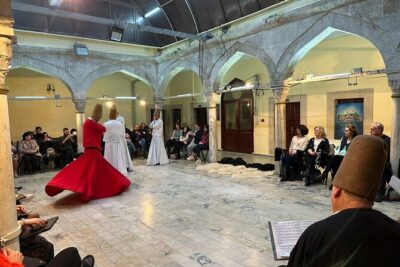
Istanbul Hodjapasha Whirling Dervishes Show & Exhibition
Read our review →
Istanbul Traditional Turkish Dinner and Dervish Experience
Read our review →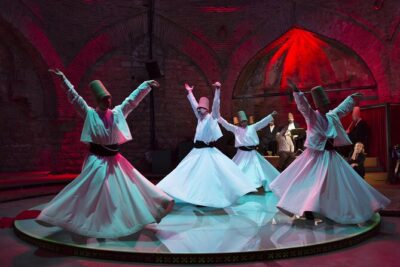

Whirling Dervish Ceremony: Go on a Spiritual Journey
Read our review →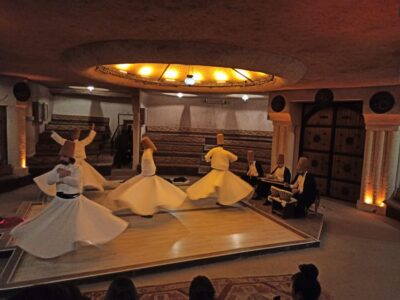
Lists this tour turns up in